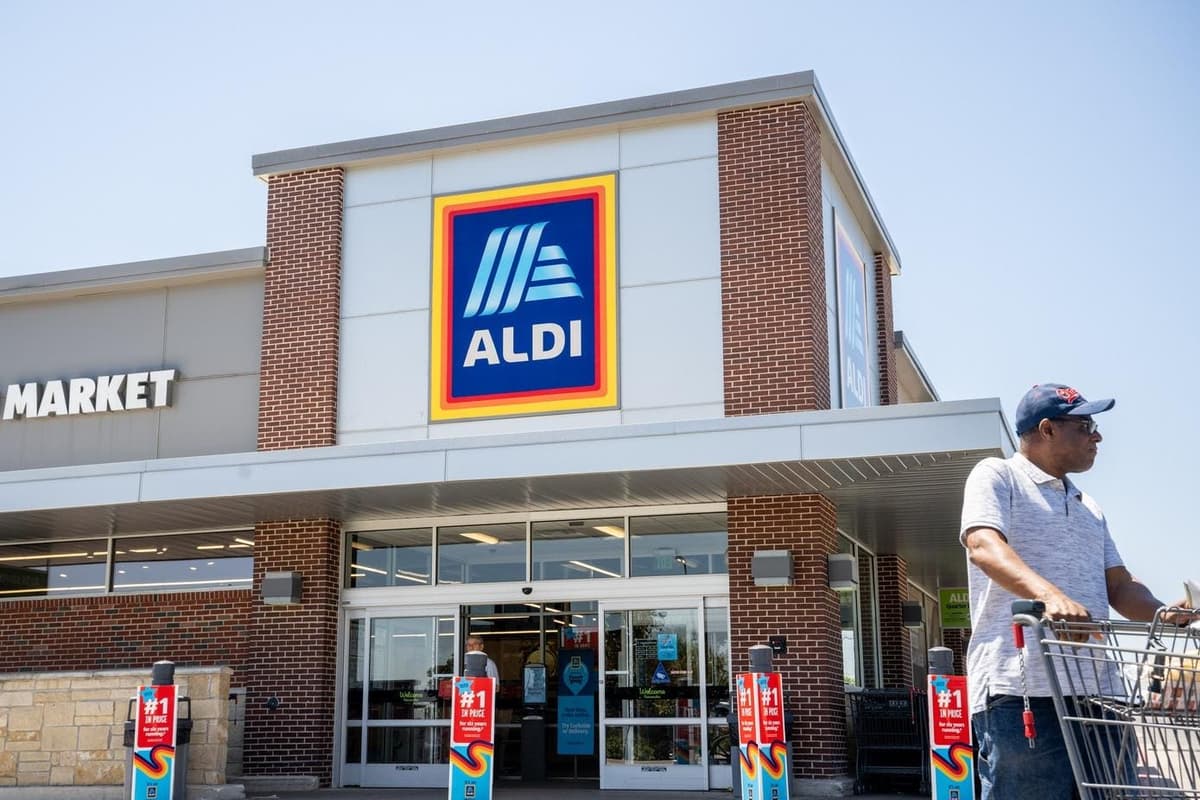
Could Rhode Island Bill Hit Aldi As It Expands New U.S. Format?
Why It Matters
Self‑checkout restrictions would raise operating costs for Aldi, jeopardizing its price‑leadership and rapid expansion, while signaling broader regulatory risk for U.S. discount retailers.
Key Takeaways
- •Rhode Island bill caps self‑checkout at eight per grocery store.
- •Aldi plans 180 new U.S. stores in 2026, $9 billion investment.
- •Proposed staffing ratio could double labor at checkout lanes.
- •Similar automation limits are being considered in six other states.
Pulse Analysis
Aldi’s aggressive U.S. expansion hinges on a lean, technology‑driven format that uses self‑checkout to keep labor costs low and prices competitive. The German chain aims to add more than 180 stores in 2026, investing roughly $9 billion to reach 3,200 locations by 2028. This model has resonated with American shoppers, with one in three households reporting a visit in the past year, and it underpins Aldi’s ability to undercut traditional grocers on price.
Legislators in Rhode Island are moving to curb that advantage by capping self‑checkout kiosks at eight per store and mandating a one‑employee‑to‑two‑machine ratio. Proponents argue the rules protect jobs and reduce theft, citing studies that suggest a 65% higher loss rate at unmanned lanes. If enacted, the bill would force Aldi to staff additional cashiers, eroding the efficiency gains that have powered its rapid rollout. The proposal has already gathered eight co‑sponsors and mirrors similar bills under consideration in California, New York, Ohio and other states, indicating a growing national pushback against retail automation.
The broader implication for the discount grocery sector is a potential redesign of store footprints and labor models. Aldi may need to balance its minimalist layout with increased staffing, or invest in hybrid checkout solutions that blend automation with on‑site assistance. Competitor Lidl, which follows a comparable low‑cost strategy, could face the same regulatory headwinds, prompting both chains to lobby for more flexible rules or accelerate alternative technologies like AI‑assisted scanning. How the industry adapts will shape its ability to capture market share from legacy supermarkets and maintain the price leadership that has defined the discount grocery boom in the United States.
Could Rhode Island Bill Hit Aldi As It Expands New U.S. Format?
Comments
Want to join the conversation?
Loading comments...