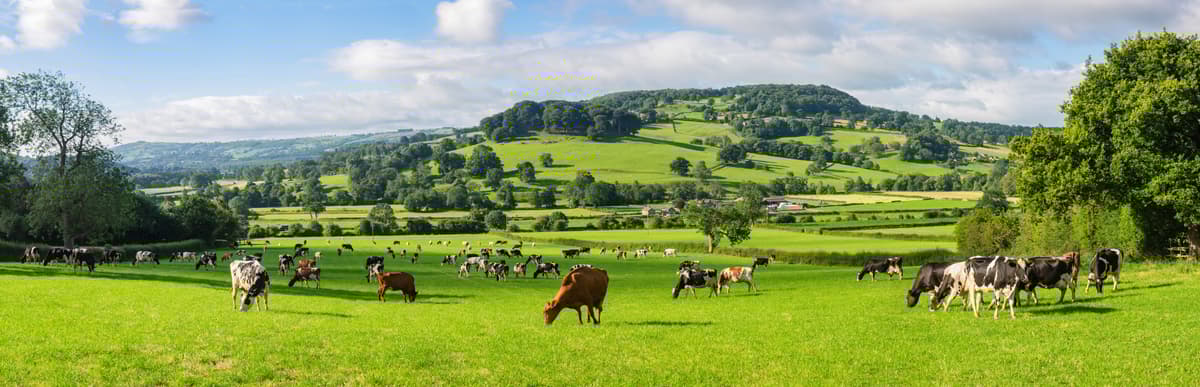
Dairy and Coffee Companies Lacking Targets to Tackle Methane Emissions
Companies Mentioned
Why It Matters
Without science‑based methane targets, the dairy and coffee sector cannot meet the Global Methane Pledge, risking missed climate benefits and investor scrutiny. Financial institutions’ exposure amplifies the urgency for corporate accountability.
Key Takeaways
- •Only 3 of 23 firms set 2030 methane reduction targets.
- •Danone aligns with Global Methane Pledge, cutting emissions 30% by 2030.
- •Finance sector funds $159 bn to top methane‑emitting agri‑food firms.
- •No major supermarket disclosed methane data or set reduction plans.
- •30% methane cut could deliver $330 bn annual benefits and health gains.
Pulse Analysis
Methane, a greenhouse gas over 80 times more potent than carbon dioxide over a 20‑year horizon, is a critical lever for climate mitigation. The dairy and coffee industries, responsible for a sizable share of agricultural methane, have largely lagged in setting science‑based targets. While most firms now acknowledge the livestock‑climate link, only Danone, General Mills, and FrieslandCampina have articulated 2030 goals, and merely three report reductions for 2024‑2025. This gap leaves the sector far short of the Global Methane Pledge’s 30% cut, a target that could generate $330 bn in annual economic benefits and avert 180,000 premature deaths.
Corporate disclosure is also uneven. Danone’s transparent reporting positions it as the sector’s best performer, yet 15 of the 23 surveyed companies failed to disclose recent methane data. Supermarkets, traditionally more visible in sustainability reporting, have not disclosed any methane metrics or set reduction pathways, highlighting a broader industry inertia. Upcoming regulatory frameworks such as Europe’s Corporate Sustainability Reporting Directive (CSRD) will compel more rigorous climate disclosures, potentially accelerating target adoption across the supply chain.
Financial institutions play a pivotal yet under‑examined role. A Planet Tracker analysis reveals $159 bn in loan and underwriting exposure to the world’s top methane‑emitting agri‑food firms, effectively financing 1.3 million tonnes of methane emissions annually. Banks’ continued support without climate conditionality undermines sectoral progress. Aligning financing with the Global Methane Pledge could unlock substantial health, climate, and economic gains, urging investors and lenders to integrate methane metrics into risk assessments and capital allocation decisions.
Dairy and coffee companies lacking targets to tackle methane emissions
Comments
Want to join the conversation?
Loading comments...