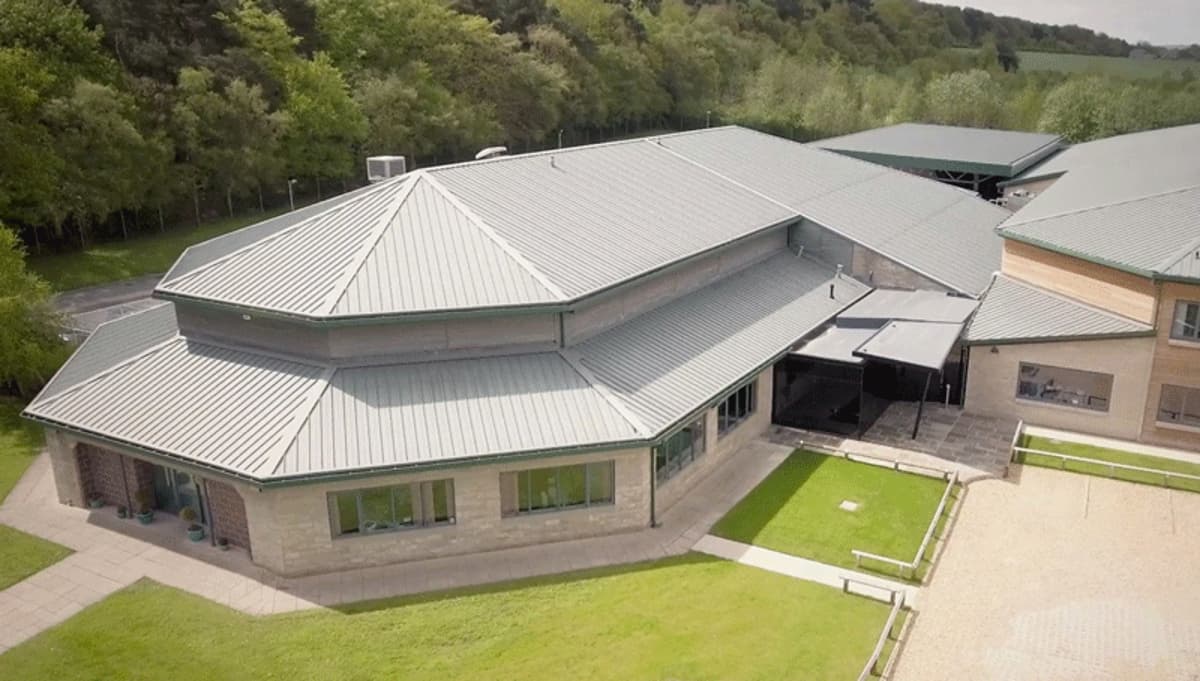
Danone Slammed over Plans to Cut Woodland for Bottling Plant Expansion
Companies Mentioned
Why It Matters
The dispute highlights the tension between corporate sustainability pledges and on‑the‑ground environmental impacts, testing Danone’s credibility in its forest‑positive agenda. Approval could set a precedent for how consumer‑goods firms balance expansion with local ecosystem protection.
Key Takeaways
- •Danone plans to cut up to 1,000 trees for plant expansion
- •Local group filed 1,300 objections, backed by celebrities
- •Company pledges to plant ~490 trees on‑site, 2,500 district‑wide
- •Danone’s forest‑positive policy faces criticism over woodland loss
- •Council recommends approval despite environmental concerns
Pulse Analysis
Danone’s Harrogate Spring Water expansion underscores a growing clash between corporate ESG narratives and tangible land‑use decisions. While the company touts a 2030 forest‑positive target across its supply chain, the proposed removal of up to a thousand mature trees in Rotary Wood raises questions about the depth of those commitments. The plan promises to offset the loss by planting nearly 500 new trees on the site and 2,500 across the district, yet experts note that newly planted saplings cannot instantly replicate the carbon‑sequestration and biodiversity functions of established woodland.
Local opposition, led by Pinewoods Conservation Group, has mobilized over a thousand objections and secured endorsements from figures like Dame Judi Dench and Sir Jonathon Porritt. Their argument hinges on the ecological value of mature habitats, which support complex species networks and store carbon far more efficiently than young trees. The council’s recommendation to approve the project, despite these concerns, reflects a broader policy challenge: balancing economic development and job creation with the preservation of natural capital that communities rely on for recreation and climate resilience.
The outcome of this case could reverberate through the consumer‑goods sector, where “forest‑positive” branding is increasingly scrutinized by investors and regulators. A decision to proceed may compel Danone to bolster its mitigation measures, such as larger buffer zones or third‑party monitoring, to safeguard its reputation. Conversely, a rejection could pressure other firms to align expansion plans more closely with genuine nature‑positive outcomes, signaling a shift toward stricter accountability for ESG claims.
Danone slammed over plans to cut woodland for bottling plant expansion
Comments
Want to join the conversation?
Loading comments...