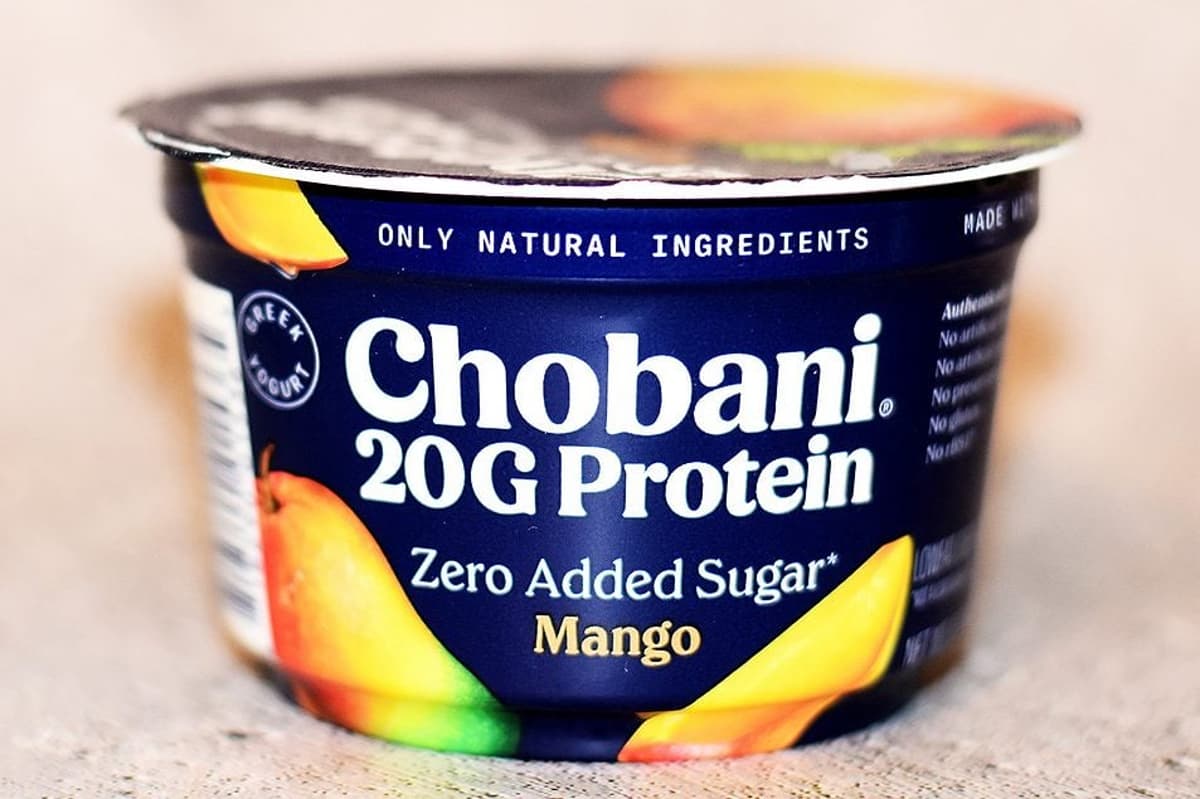
Danone Suing Chobani over ‘Deceptive’ High-Protein Claims
Companies Mentioned
Why It Matters
If Danone prevails, the ruling could force stricter verification of protein claims, reshaping labeling standards and competitive dynamics in the fast‑growing high‑protein snack market.
Key Takeaways
- •Danone alleges Chobani's 20‑gram protein claim misrepresents actual content.
- •Case filed in New York federal court, seeking injunctive relief.
- •Potential damages could reach millions if consumers prove deception.
- •Industry watchdogs may tighten protein‑labeling standards nationwide.
- •Chobani may need to reformulate or relabel its Greek yogurt line.
Pulse Analysis
The Danone‑Chobani dispute highlights a growing tension in the dairy industry as brands race to capture health‑conscious shoppers with high‑protein promises. While consumers gravitate toward products touting 20 grams of protein per serving, regulators have become increasingly vigilant about the accuracy of such claims. Danone’s lawsuit argues that Chobani’s labeling fails to reflect the protein that remains after typical consumption practices, such as draining whey, thereby violating federal truth‑in‑advertising rules. This legal challenge arrives at a time when the U.S. Food and Drug Administration is reviewing its guidance on nutrient content claims, suggesting that the outcome could influence future labeling policies.
Beyond the courtroom, the case could ripple through supply chains and marketing strategies. Manufacturers may need to invest in more rigorous testing and transparent communication to avoid similar litigation, potentially raising production costs. Retailers, too, could face pressure to scrutinize product claims before shelf placement, altering the dynamics of shelf space allocation for high‑protein items. For investors, the lawsuit underscores the financial risk tied to aggressive nutritional positioning, especially as consumer trust becomes a critical differentiator in a crowded market.
For Chobani, the stakes are both reputational and financial. A court‑ordered injunction could force the company to redesign packaging, adjust formulations, or even withdraw certain SKUs, disrupting sales momentum. Conversely, a settlement might include a commitment to clearer labeling without admitting wrongdoing, allowing the brand to maintain market share while addressing consumer concerns. Industry observers will watch closely, as the resolution may set a benchmark for how high‑protein claims are substantiated and communicated across the broader food sector.
Danone suing Chobani over ‘deceptive’ high-protein claims
Comments
Want to join the conversation?
Loading comments...