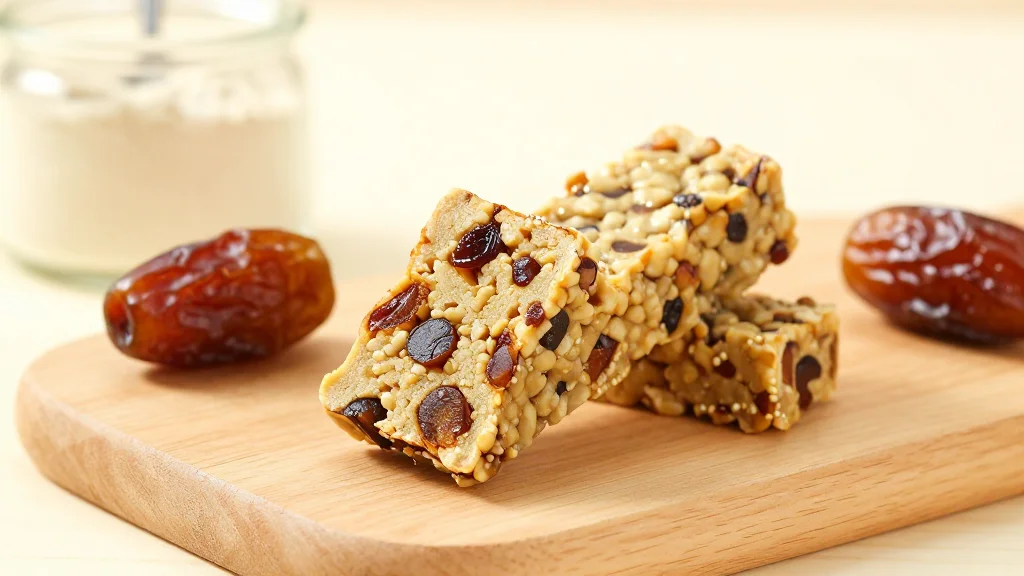
Development, Nutritional Profiling, Physicochemical Properties, Computational Protein-Polyphenol Interactions, and Sensory Properties of High-Energy Medjool Date Bars
Why It Matters
Combining dense natural sugars with high‑quality protein meets growing demand for nutrient‑dense functional snacks, while the protein‑polyphenol interactions may enhance shelf stability and antioxidant efficacy for athletes and health‑focused consumers.
Key Takeaways
- •Date bars provide ~421 kcal, 23% protein per 100 g
- •Phenolic content exceeds 560 mg GAE/100 g, strong antioxidant capacity
- •Epicatechin binds β‑lactoglobulin and caseinate, stabilizing polyphenols
- •Sensory scores ~87/100; texture varies to suit different preferences
Pulse Analysis
The functional snack market is rapidly expanding as consumers seek foods that support healthy aging and active lifestyles. Medjool dates, prized for their natural sweetness and rich bioactive profile, have traditionally been underused in protein‑rich products. By integrating a high proportion of date paste with milk protein concentrate and whey isolate, the new bars bridge the gap between energy‑dense carbohydrates and premium protein, delivering a balanced macronutrient package that aligns with current nutrition trends.
Beyond basic nutrition, the study delves into the molecular dynamics that underpin product stability. Docking simulations revealed that epicatechin, a key flavonoid, forms hydrophobic and hydrogen‑bond interactions with β‑lactoglobulin and sodium caseinate. These bindings can protect polyphenols from oxidative degradation, preserving antioxidant activity throughout shelf life. The resulting bars boast impressive phenolic concentrations—over 560 mg GAE per 100 g—and consistent radical‑scavenging performance, positioning them as functional foods with measurable health benefits.
From a commercial perspective, the bars’ high sensory scores (≈87/100) and customizable texture profiles make them attractive to both athletes seeking quick, sustained energy and health‑conscious consumers desiring convenient nutrition. The formulation’s scalability, driven by readily available ingredients and straightforward processing, suggests a viable path to market entry. As the industry continues to prioritize clean‑label, performance‑oriented snacks, Medjool‑based energy bars could capture a niche that blends natural sweetness, protein quality, and antioxidant potency.
Development, nutritional profiling, physicochemical properties, computational protein-polyphenol interactions, and sensory properties of high-energy Medjool date bars
Comments
Want to join the conversation?
Loading comments...