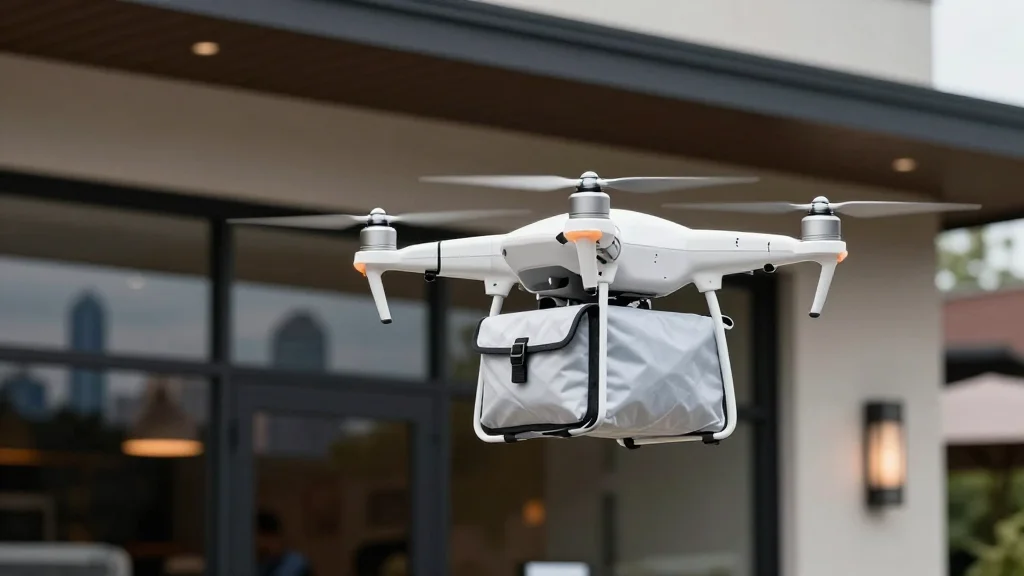
DoorDash and Wing Expand Drone Delivery to Metro Atlanta
Companies Mentioned
Why It Matters
The launch accelerates the adoption of autonomous last‑mile logistics in a major U.S. market, giving merchants faster, lower‑cost delivery while showcasing the scalability of drone networks for food service.
Key Takeaways
- •DoorDash‑Wing drones now serve Atlanta’s Tanger Outlets area
- •Orders aim for 20‑minute delivery via autonomous aircraft
- •Partnership already delivered tens of thousands of meals nationwide
- •Adds to DoorDash’s multi‑modal strategy of couriers, drones, robots
Pulse Analysis
The drone delivery sector is moving from experimental pilots to commercial scale as regulators grant clearer pathways for low‑altitude operations. Companies like Wing have leveraged Federal Aviation Administration waivers to fly thousands of flights daily, proving that unmanned aerial systems can meet safety and reliability standards. For platforms such as DoorDash, integrating drones expands the logistics toolbox, allowing the firm to allocate orders to the most efficient mode—whether a human Dasher, a ground robot, or an autonomous aircraft—thereby reducing delivery times and operational costs.
Atlanta’s launch targets a densely populated suburban corridor where traffic congestion often hampers traditional delivery. By offering a 20‑minute guarantee, DoorDash aims to attract time‑sensitive diners and give local eateries a competitive edge against larger chains that rely on slower, car‑based couriers. The partnership also underscores sustainability goals; electric drones emit fewer pollutants per mile than gasoline‑powered vehicles, aligning with growing consumer demand for greener delivery options.
Industry observers see the DoorDash‑Wing expansion as a bellwether for broader adoption across the United States. As more metros grant airspace access, rivals such as Uber Eats and Amazon Restaurants are expected to accelerate their own drone programs, intensifying competition for the fastest, most cost‑effective last‑mile solution. However, scaling will require continued investment in air‑traffic management, weather‑resilient technology, and public acceptance. If these hurdles are addressed, autonomous aerial delivery could become a staple of urban food logistics, reshaping how restaurants reach customers and how consumers experience convenience.
DoorDash and Wing Expand Drone Delivery to Metro Atlanta
Comments
Want to join the conversation?
Loading comments...