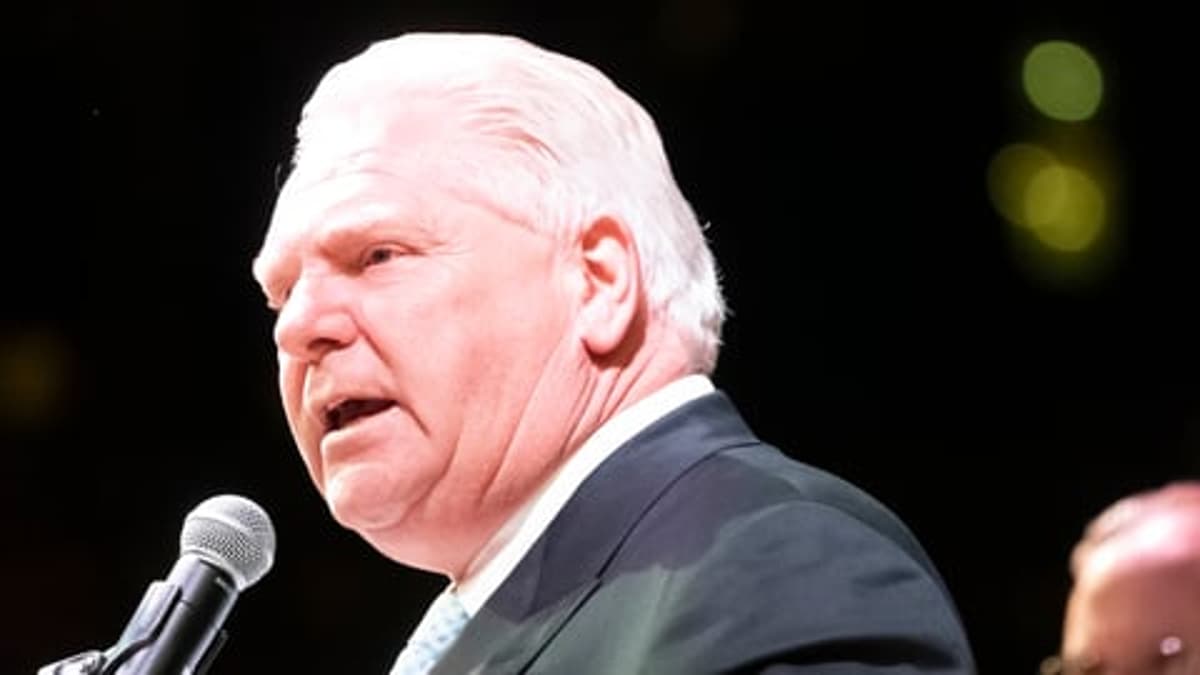
Doug Ford Nixes Idea of Grocery Surveillance Pricing Ban in Ontario
Why It Matters
Ford’s rejection underscores Ontario’s commitment to free‑market principles, shaping the regulatory landscape for grocery pricing and consumer protection across Canada.
Key Takeaways
- •Ford rejected surveillance pricing ban, labeling it “socialist” and “crazy.”
- •He argued competition, not regulation, lowers grocery costs.
- •NDP’s Marit Stiles tabled non‑binding motion to ban surveillance pricing.
- •Ford blamed high gas prices for rising grocery bills.
- •Manitoba is moving to ban “predatory pricing,” highlighting regional divergence.
Pulse Analysis
Surveillance pricing—where retailers show different prices to shoppers based on data signals—has become a flashpoint in North America after a U.S. investigation revealed shoppers on third‑party platforms receiving higher prices for identical items. The practice, often invisible to consumers, raises concerns about algorithmic discrimination and market fairness. While the United States grapples with potential antitrust actions, Canadian provinces are split: Manitoba is moving toward a ban, whereas Ontario’s premier is pushing back, arguing that market forces should dictate prices.
In Ontario, Premier Doug Ford framed the anti‑surveillance pricing proposal as antithetical to capitalism, insisting that competition, not regulation, will drive down grocery costs. His rhetoric linked high grocery bills to soaring fuel prices, suggesting that logistics, not pricing tactics, are the primary driver. Meanwhile, NDP leader Marit Stiles introduced a non‑binding motion to prohibit the practice, positioning the party as a consumer‑defender. The political clash reflects broader ideological divides over how much government should intervene in market pricing, especially in essential goods like food.
The outcome of this debate could reshape the grocery sector’s pricing strategies. If Ontario maintains a hands‑off approach, retailers may continue leveraging data‑driven pricing models, potentially prompting consumer backlash or voluntary transparency measures. Conversely, a shift toward regulation—mirroring Manitoba’s stance—could force retailers to adopt uniform pricing, impacting profit margins and competitive dynamics. Stakeholders, from farmers to logistics firms, will watch closely as the province balances free‑market ideals with mounting pressure to protect shoppers from opaque pricing practices.
Doug Ford nixes idea of grocery surveillance pricing ban in Ontario
Comments
Want to join the conversation?
Loading comments...