Eateries Expected to Face Gloomy Third Quarter
Why It Matters
Rising operating costs and dwindling tourism threaten profitability across restaurant categories, prompting operators to seek cost‑control measures and alternative revenue streams such as premium ready‑to‑eat products.
Key Takeaways
- •Restaurant costs up 10‑15% while consumer spending stays weak.
- •Fine‑dining sales fell 30% YoY in May, driven by tourism dip.
- •CPRAM's premium ready‑meal line targets home diners and food‑service partners.
- •Ready‑to‑eat segment generated ~ $940 M in 2025, aiming for $970‑$980 M this year.
- •Government co‑payment aid helps small vendors; broader sector support remains crucial.
Pulse Analysis
Thailand’s restaurant industry is entering a challenging third quarter, with cost inflation outpacing consumer purchasing power. Energy, raw material and logistics price spikes have pushed overall operating expenses up by 10‑15%, leaving operators with little room to raise menu prices. At the same time, a slowdown in tourism—once a key driver for higher‑spending diners—adds pressure, especially for fine‑dining venues that rely heavily on international visitors. The confluence of these factors signals a broader contraction that could reshape spending patterns across the sector.
Fine‑dining establishments feel the squeeze most acutely. Chef Thitid Tassanakajohn reported a 30% year‑over‑year sales decline in May for his Michelin‑starred restaurants, a drop that mirrors weaker tourist inflows and cautious consumer behavior. Operators are forced to absorb higher input costs, prompting a focus on efficiency and loyalty programs to retain repeat patrons. While street‑food stalls and delivery‑platform partners may weather the storm better, the premium segment must innovate or risk further erosion of margins.
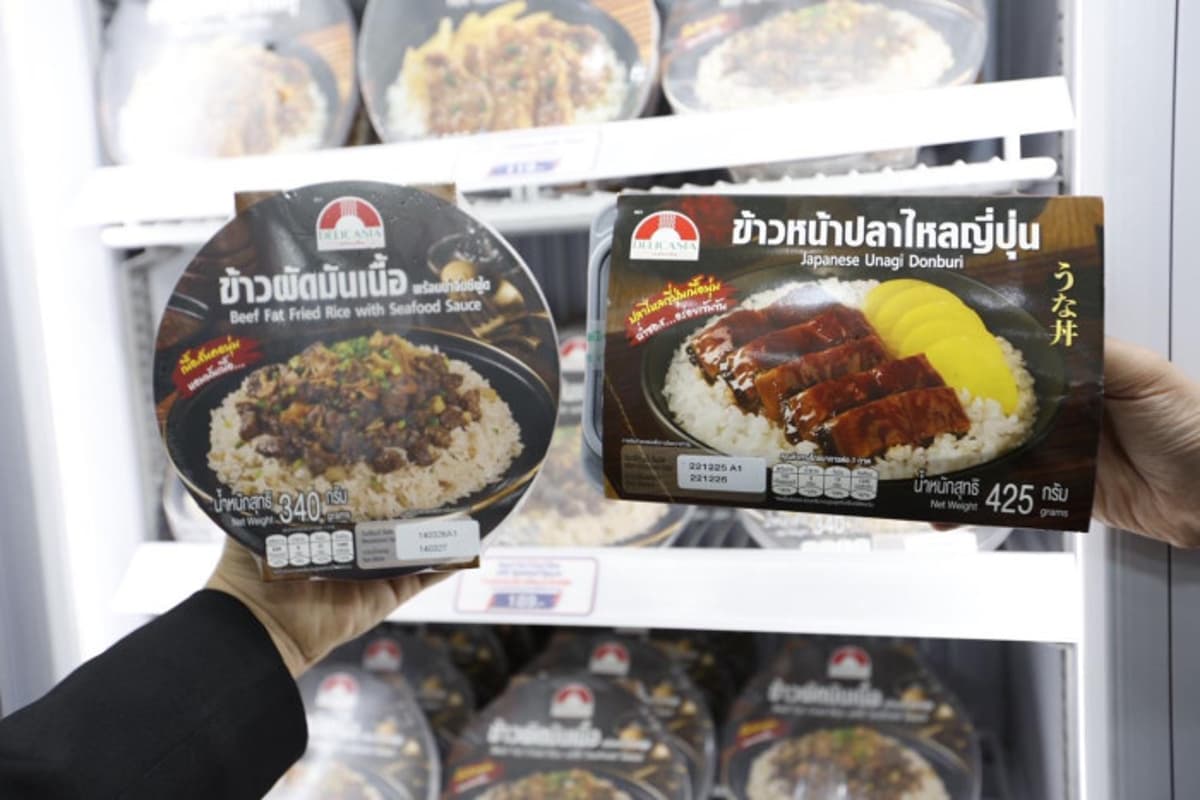
Amid the downturn, CPRAM Co Ltd’s launch of a “fine‑dining” ready‑meal portfolio illustrates a strategic pivot toward at‑home consumption. With over 100 curated dishes available via its Fudidiworld digital marketplace, the company targets both individual consumers and hospitality businesses seeking to augment their menus without the overhead of fresh‑prep kitchens. The ready‑to‑eat segment, which generated roughly $940 million in 2025, is projected to reach $970‑$980 million this year, underscoring growing demand for convenient, high‑quality meals. This shift could soften the impact of reduced foot traffic, offering a viable revenue stream while the industry awaits broader policy support to revive tourism and stabilize costs.
Eateries expected to face gloomy third quarter
Comments
Want to join the conversation?
Loading comments...