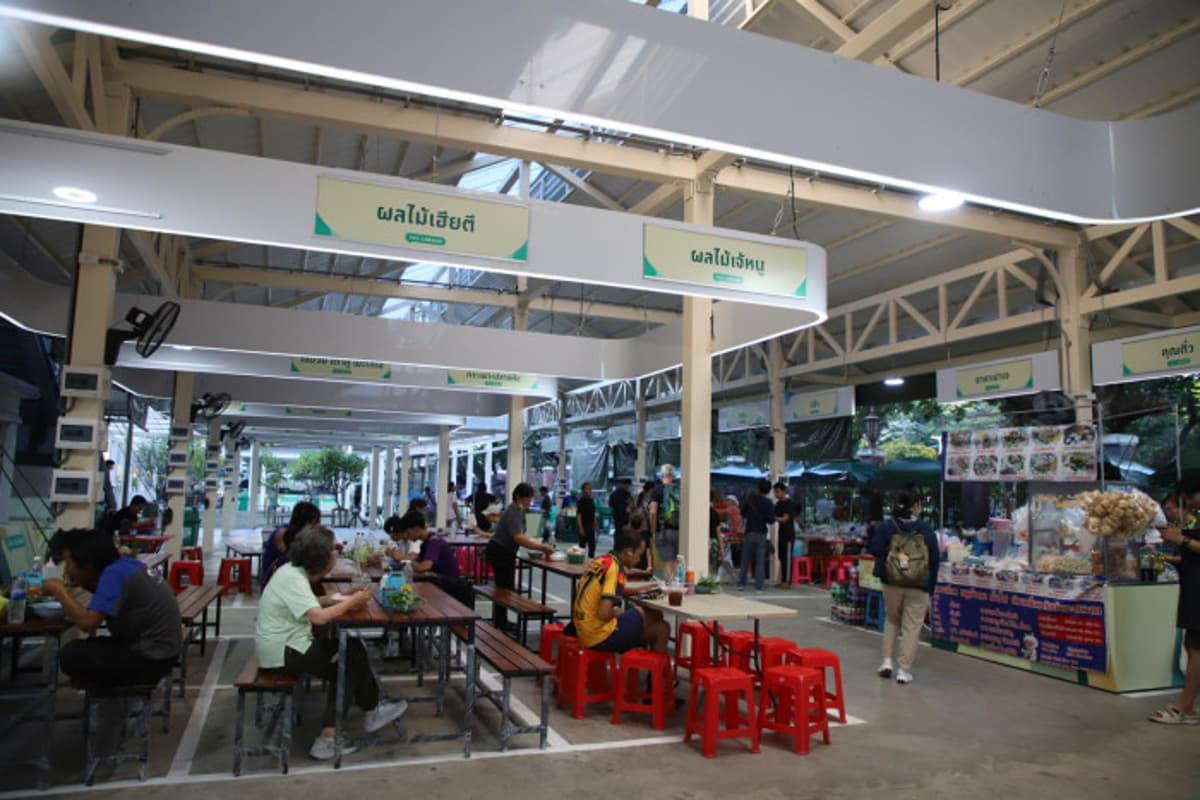
Eateries Face Rising Costs, Weak Outlook
Why It Matters
Higher input costs and platform fees squeeze margins, forcing Thai eateries to seek collective bargaining and technology solutions to stay viable in a fragile economy.
Key Takeaways
- •Thai restaurant groups sign MOU to cut costs via joint buying
- •Vegetable prices up 10‑20%, driving menu price pressure
- •Delivery platforms now charge 25‑30% GP fees, up 1‑2 points
- •Disposable container cost doubled to ~130 baht ($3.70) per 50
- •Fine‑dining sales fall, street food stays resilient amid weak demand
Pulse Analysis
Thailand’s foodservice industry is confronting a perfect storm of rising input costs, from raw‑material price spikes to soaring energy bills. The recent memorandum of understanding among the Restaurant Association, Night Restaurant Business Trade Association, Digital Technology Entrepreneur Trade Association, Thai Fresh Market Association and the Federation of Thai Chefs is a strategic response. By consolidating purchasing power and introducing a smart logistics platform, members hope to lock in lower prices for vegetables, seafood and other staples, while also streamlining supply‑chain operations to mitigate hidden energy expenses.
At the same time, digital disruption is reshaping profit dynamics. Food‑delivery platforms, which have become essential distribution channels, are now levying gross‑profit fees of 25‑30%, an increase of 1‑2 percentage points that erodes already thin margins. Coupled with a near‑doubling of disposable plastic container costs—from 65 baht to roughly 130 baht ($3.70) per 50‑pack—operators face mounting pressure to either raise menu prices or absorb costs. Consumers, feeling the pinch of a sagging economy, are shifting toward value‑oriented street‑food vendors, leaving fine‑dining establishments to grapple with declining sales.
Looking ahead, the sector’s outlook remains uncertain. The traditional low season from May to September coincides with geopolitical tensions in the Middle East that could keep fuel prices elevated, dampening travel and discretionary spending. Restaurants may adjust staffing levels, but the decision hinges on how quickly cost‑containment measures take effect. Investors and policymakers will be watching closely to see whether collective bargaining and technology adoption can stabilize margins and sustain growth in Thailand’s competitive dining landscape.
Eateries face rising costs, weak outlook
Comments
Want to join the conversation?
Loading comments...