Ecuador’s Shrimp Sector Exploring Ways to Implement New Technologies Across Its Value Chain
Why It Matters
Adopting digital technologies enables Ecuador’s shrimp sector— the world’s top exporter—to improve efficiency, meet stricter food‑safety standards and protect market access. The move strengthens the industry’s resilience and reinforces consumer trust in a highly competitive global market.
Key Takeaways
- •Over 60 shrimp professionals attended SustainED conference in Guayaquil
- •Digital tools showcased include AI, traceability, and renewable energy solutions
- •Focus shifts from volume growth to operational efficiency and risk management
- •SSP and CNA drive lifelong learning to boost sustainability in shrimp sector
- •New tech aims to improve decision‑making and build market trust
Pulse Analysis
Ecuador accounts for roughly 30% of global shrimp exports, a position that brings both economic opportunity and heightened scrutiny over environmental and food‑safety practices. As the sector confronts climate variability, disease outbreaks, and tightening regulations, producers are turning to digital transformation to stay competitive. Integrating sensor data, predictive analytics and blockchain‑based traceability offers a way to monitor water quality, optimize feed conversion and certify product provenance, thereby reducing waste and enhancing compliance with international standards.
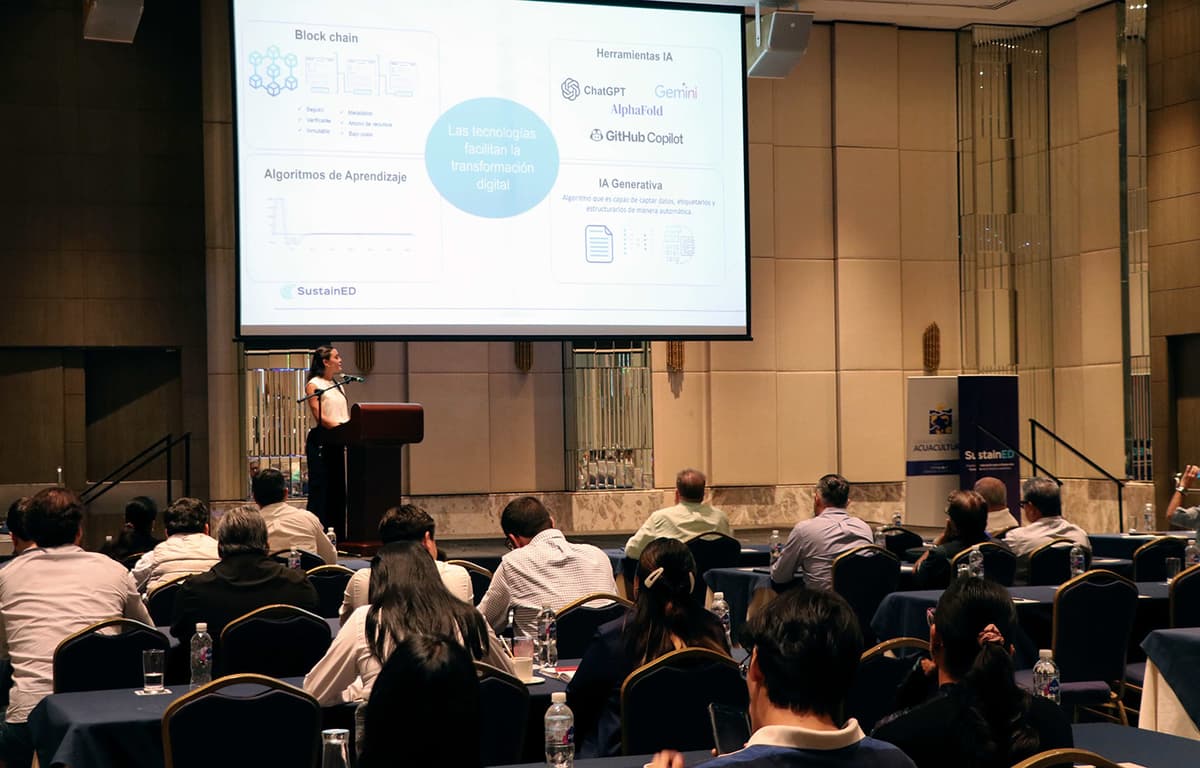
The SustainED conference in April served as a showcase for these emerging solutions. Presentations from firms such as Intelligon and EDISA demonstrated how artificial‑intelligence models can forecast disease risk, while LarvIA highlighted automated monitoring of larval health. Renewable‑energy partners like Solarteam illustrated how solar micro‑grids lower operating costs and carbon footprints on remote farms. By bringing together national and international experts, the Sustainable Shrimp Partnership and the National Chamber of Aquaculture are fostering a collaborative learning environment that accelerates technology adoption across the value chain.
The broader impact extends beyond operational gains. Enhanced data visibility builds confidence among buyers in North America, Europe and Asia, who increasingly demand proof of sustainable practices. As Ecuador’s shrimp producers embed these tools, they set a benchmark for other aquaculture hubs seeking to balance growth with environmental stewardship. Continued investment in digital infrastructure is likely to drive higher yields, lower risk exposure and stronger brand equity, positioning the country to retain its leadership in the global seafood market.
Ecuador’s shrimp sector exploring ways to implement new technologies across its value chain
Comments
Want to join the conversation?
Loading comments...