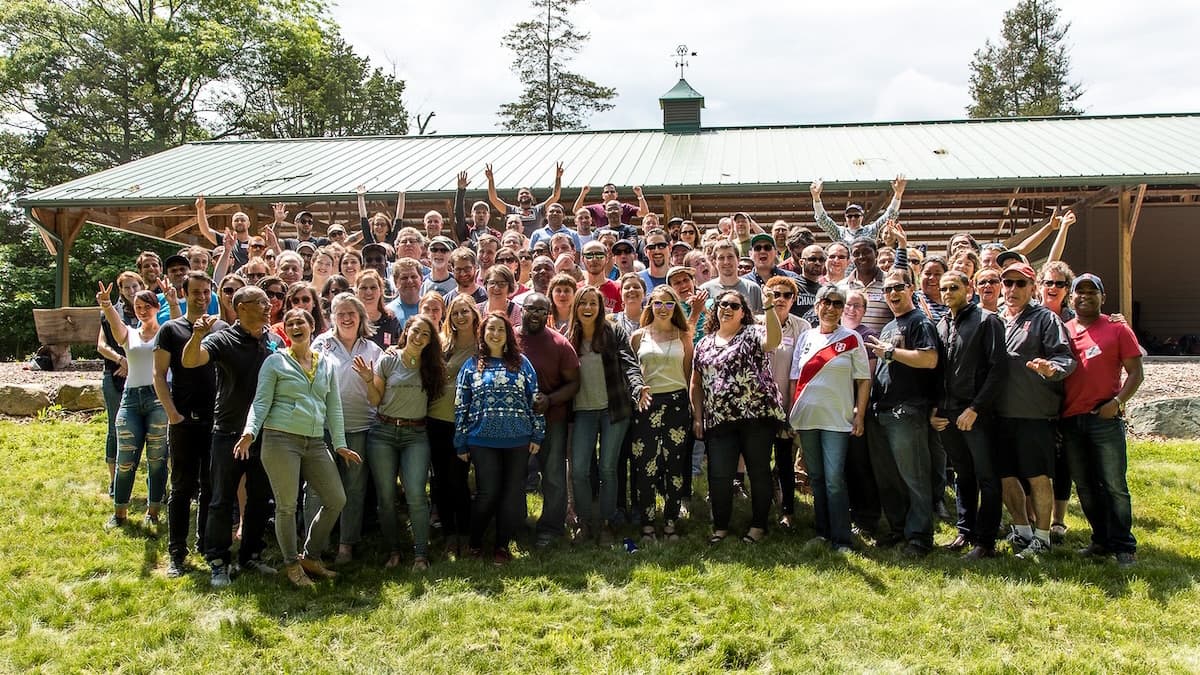
Equal Exchange Turns 40: Farmers, Food and Fair Trade
Why It Matters
The hybrid capital model proves that a profit‑driven yet socially responsible structure can scale without sacrificing farmer or worker empowerment, offering a viable alternative to private‑equity‑dominated food conglomerates. It also gives impact‑focused investors a return‑oriented option that aligns with ethical sourcing goals.
Key Takeaways
- •Equal Exchange trades $80M annually across 120+ worker owners
- •Partners with 40+ farmer cooperatives delivering fair‑trade coffee, chocolate, tea
- •Unique capital model mixes non‑voting Class B shares with worker‑owner voting shares
- •Investors receive average 5% dividend; no voting rights or sell‑out clause
- •Worker owners hold $1M in internal capital, earning profit‑sharing patronage
Pulse Analysis
Equal Exchange’s four‑decade journey illustrates how a principled trade philosophy can evolve into a robust business model. Founded amid Cold‑War tensions, the co‑op’s early decision to import Nicaraguan coffee under an embargo signaled a commitment to farmer empowerment that resonated with the emerging fair‑trade movement. Over time, the organization expanded its product line to include chocolate, tea, nuts, olive oil and dates, leveraging a network of independent natural‑food stores that value transparency and ethical sourcing.
At the heart of Equal Exchange’s resilience is its unconventional capital structure. By issuing non‑voting Class B preferred shares to external investors while reserving all voting power for worker‑owner Class A shares, the co‑op aligns financial incentives with its mission. Investors receive an average 5 percent dividend and share in profitable years, yet they forfeit control and any windfall from a future sale, a stark contrast to private‑equity models that prioritize exit returns. This hybrid approach also channels $1 million of internal capital into a patronage system, reinforcing profit‑sharing among worker owners and sustaining long‑term liquidity for farmer purchases.
The broader food industry faces mounting pressure from consolidation and profit‑maximizing investors, making Equal Exchange’s model increasingly relevant. Impact investors seeking measurable social outcomes now have a template that balances modest returns with governance safeguards. As consumer demand for responsibly sourced products grows, the cooperative’s $80 million trade volume demonstrates that fair‑trade can be both ethically sound and commercially viable, offering a scalable blueprint for other sectors aiming to embed sustainability into their core economics.
Equal Exchange Turns 40: Farmers, Food and Fair Trade
Comments
Want to join the conversation?
Loading comments...