EU Aquaculture Group Calls for Bloc to Refine Its Planned Plastics Regulations
Why It Matters
Clarifying definitions will prevent costly compliance burdens for EU aquaculture firms and ensure the plastics rule targets true marine‑litter sources without harming food‑production sectors.
Key Takeaways
- •Aquaculture gear labeled as “fishing gear” in EU plastics rule
- •FEAP seeks exemption from producer‑responsibility for fish farms
- •Calls for separate regulations for freshwater and marine aquaculture
- •Warns blanket rules could trigger safety, welfare, legal issues
Pulse Analysis
The European Commission’s Single‑Use Plastics Directive (SUPD) is undergoing a review aimed at curbing marine litter, a priority that aligns with the EU’s Green Deal and the polluter‑pays principle. While the original text targets disposable items such as cutlery, straws and packaging, the consultation now extends to equipment used in the fishing sector. This expansion has drawn attention from the Federation of European Aquaculture Producers (FEAP), which represents more than 1,200 aquaculture operators across the bloc. Aquaculture contributes roughly €10 billion (about $11 billion) to the EU economy and supplies over 20 % of the region’s fish protein, making its regulatory treatment a matter of economic significance.
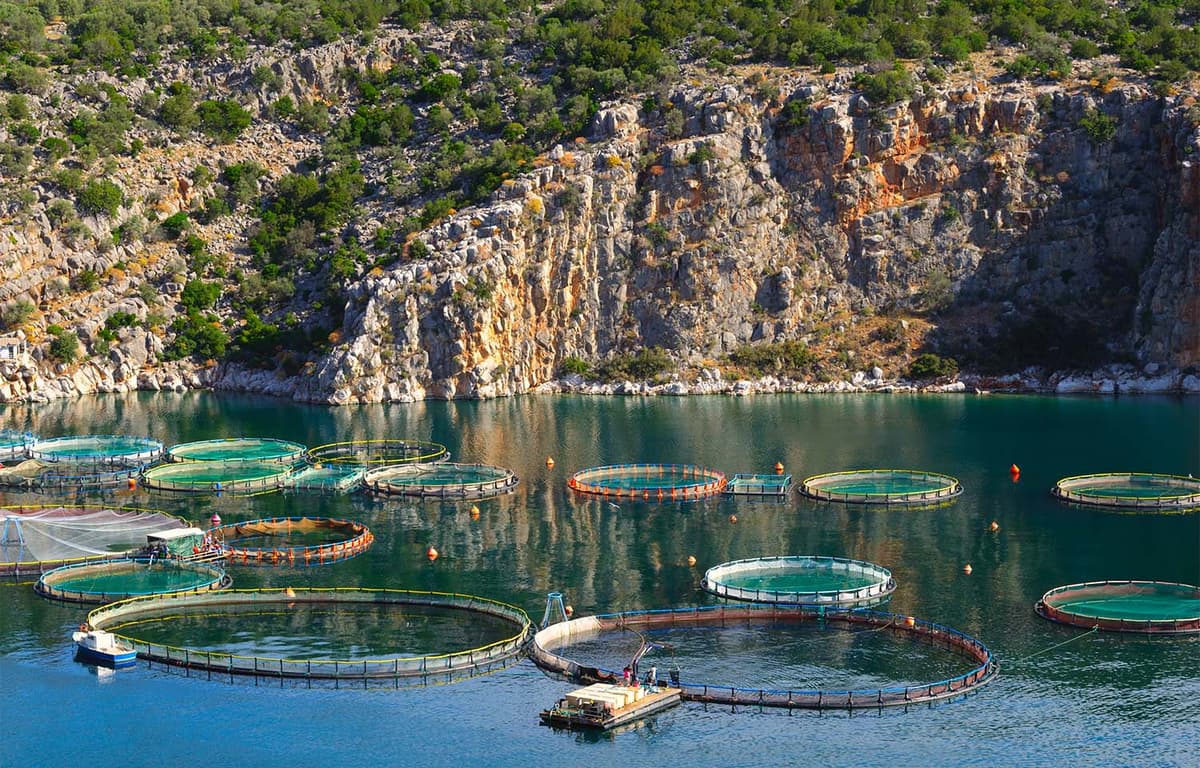
FEAP’s core argument is that classifying nets, pens, buoys and ropes as “fishing gear” conflates two fundamentally different activities. Unlike capture fisheries, aquaculture installations are largely stationary, have longer service lives, and are managed by producers rather than by plastic manufacturers. By applying the directive’s producer‑responsibility obligations to fish farms, the association warns that small‑ and medium‑sized enterprises could face an additional compliance layer that contradicts the polluter‑pays ethos. Moreover, FEAP urges the Commission to differentiate between marine and freshwater operations, noting that extending marine‑focused rules to inland facilities would create legal uncertainty and uneven transposition among Member States.
Should the Commission adopt FEAP’s recommendations, the SUPD could become more nuanced, targeting genuine sources of plastic waste while preserving the operational safety and animal‑welfare standards essential to sustainable aquaculture. A tailored approach would also signal to other sectors that the EU is willing to balance environmental ambition with practical industry realities, potentially encouraging innovation in durable, non‑plastic alternatives. Conversely, a one‑size‑fits‑all rule risks stifling investment in a sector already grappling with rising feed costs and climate pressures. Stakeholders will be watching the final text closely, as its outcome may set a precedent for how the EU integrates sector‑specific considerations into broader environmental legislation.
EU aquaculture group calls for bloc to refine its planned plastics regulations
Comments
Want to join the conversation?
Loading comments...