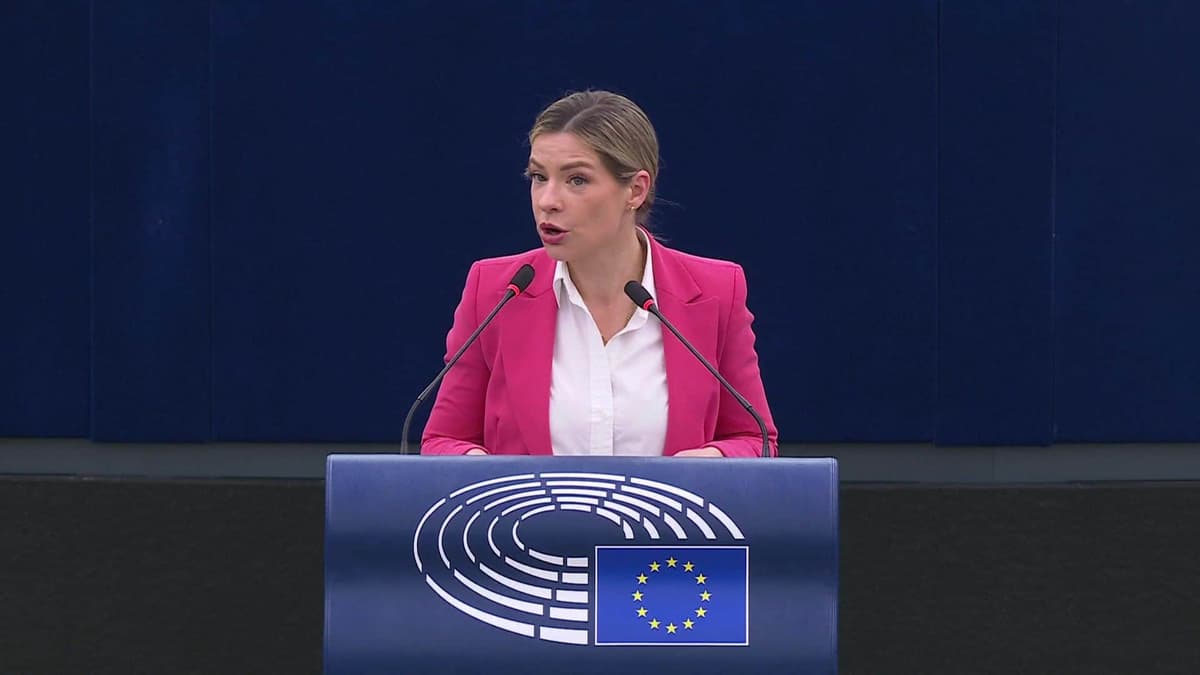
EU Parliament Votes to Warn Against Plant-Based Foods in Schools and Strip NGO Funding
Why It Matters
The vote could strip millions of euros from advocacy groups promoting sustainable diets, reshaping EU food policy and heightening regulatory risk for the alternative‑protein market. It underscores a broader clash between livestock lobbyists and plant‑based innovators, influencing investment and industry strategy across Europe.
Key Takeaways
- •EU Parliament resolution passed 73% to curb plant‑based NGO funding
- •Proposed halt could strip millions of euros from advocacy groups
- •Schools targeted; study of “food substitutes” to be commissioned
- •Non‑binding resolution signals tougher climate for alternative protein market
- •Investors may see heightened regulatory risk across Europe
Pulse Analysis
The European Parliament’s agriculture committee voted on 10 May to adopt a resolution that calls on the European Commission to stop funding NGOs that lobby for plant‑based alternatives. With 426 members supporting the measure, the vote reflects a growing push from traditional livestock interests to protect the sector’s market share. While the text is non‑binding, it obliges the Commission to commission scientific research on “food substitutes” and to scrutinise their presence in school meal programmes. The move marks a rare instance of EU legislators directly targeting the burgeoning alternative‑protein industry.
The resolution specifically flags school food baskets, urging scientists to assess whether plant‑based products are nutritionally and environmentally adequate. Although it concedes that both animal‑sourced and plant‑based foods can contribute to a balanced diet, the language frames alternatives as “inadequate,” contradicting findings from the World Health Organization and the EAT‑Lancet Commission. If the Commission follows the Parliament’s demand, NGOs that receive EU grant money for promoting sustainable diets could lose that financing, narrowing the diversity of voices shaping EU agricultural policy and potentially slowing progress on climate‑friendly food transitions.
Industry analysts see the vote as a warning signal for investors. Already grappling with stalled labelling rules and a slowdown in venture capital flows, the alternative‑protein sector now faces the prospect of reduced public‑funded advocacy and possible regulatory scrutiny of school‑meal contracts. Companies may need to pivot toward stronger evidence of nutritional equivalence and environmental benefits to appease policymakers. In the longer term, the resolution could accelerate consolidation, as smaller start‑ups struggle to secure funding while larger incumbents with diversified portfolios adapt more readily to the shifting political landscape.
EU Parliament Votes to Warn Against Plant-Based Foods in Schools and Strip NGO Funding
Comments
Want to join the conversation?
Loading comments...