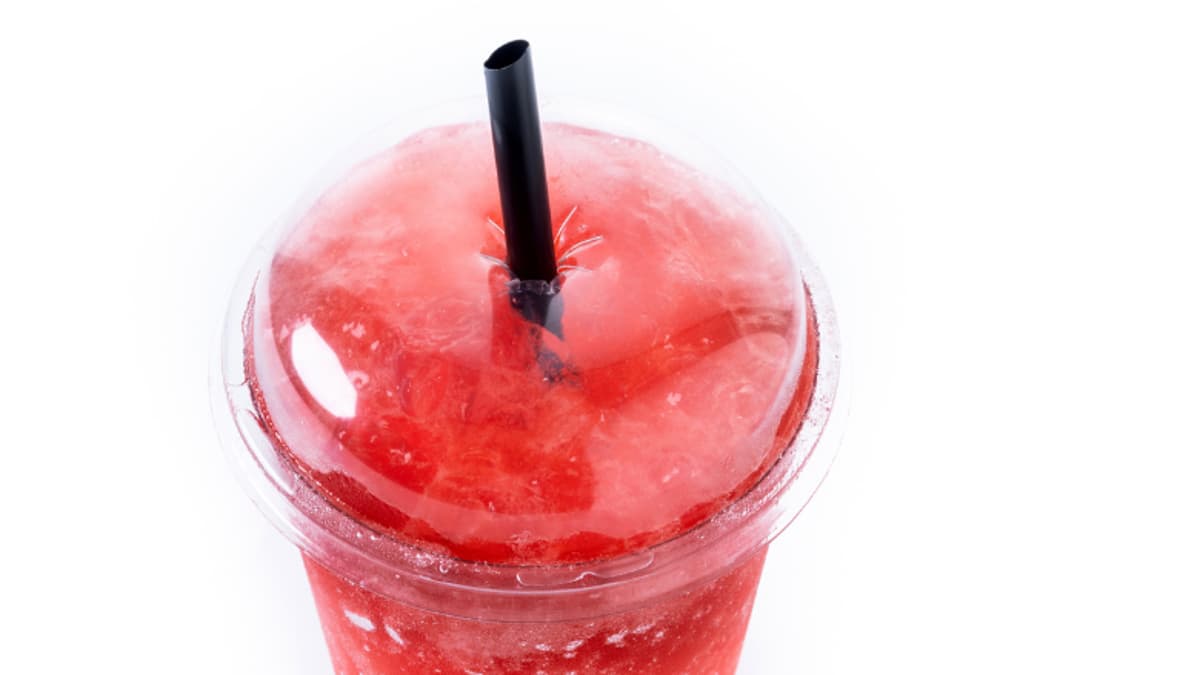
Europeans Exposed to High Doses of Glycerol in Drinks, EFSA Recommends Setting Limits
Why It Matters
Exceeding the glycerol ARfD can trigger hypoglycaemia, shock, or loss of consciousness, posing a public‑health risk and prompting regulators to consider mandatory limits that will reshape formulation practices across the European beverage sector.
Key Takeaways
- •EFSA finds glycerol ARfD exceeded in single slushie serving
- •Toddlers safe limit under 83 mL; adults under 507 mL
- •EU may set numeric glycerol limits for beverages
- •UK and Ireland bans followed child hospitalizations
- •Proposed max glycerol level 17,400 mg/L in slushies
Pulse Analysis
Glycerol (E 422) is prized for its sweetening and humectant properties, making it a common additive in frozen drinks and low‑alcohol wines. EFSA’s latest acute exposure assessment, however, reveals that the concentration levels currently used can easily breach the acute reference dose of 125 mg per kilogram body weight in a single sitting. By modelling typical consumption volumes—250 mL for children and 500 mL for adults—the agency demonstrated that even median use levels in slush‑ice drinks push all population groups above the safety threshold. The resulting health effects, ranging from hypoglycaemia to shock, have already manifested in documented cases of child intoxication across the UK.
Regulators have responded swiftly. In 2023 the UK Food Standards Agency barred the sale of glycerol‑laden slushies to children under four and limited free refills for those under ten, a stance echoed by Ireland in 2024. EFSA’s recommendation to the European Commission to impose numerical maximum limits marks the next escalation, potentially mandating a ceiling of 17,400 mg/L—the lowest reported use level in current slushies. Such limits would compel manufacturers to reformulate recipes, adjust supply chains, and possibly relabel products to remain compliant across the EU market.
For consumers, the guidance translates into clear volume caps: toddlers should not exceed roughly 80 mL of a glycerol‑rich slushie, while adults should stay below 500 mL per occasion. Beverage producers face a strategic crossroads—either invest in alternative sweeteners or redesign product portfolios to meet stricter standards. The forthcoming EU limits could also create a competitive advantage for brands that adopt low‑glycerol formulations early, positioning themselves as safer choices for health‑conscious families.
Europeans Exposed to High Doses of Glycerol in Drinks, EFSA Recommends Setting Limits
Comments
Want to join the conversation?
Loading comments...