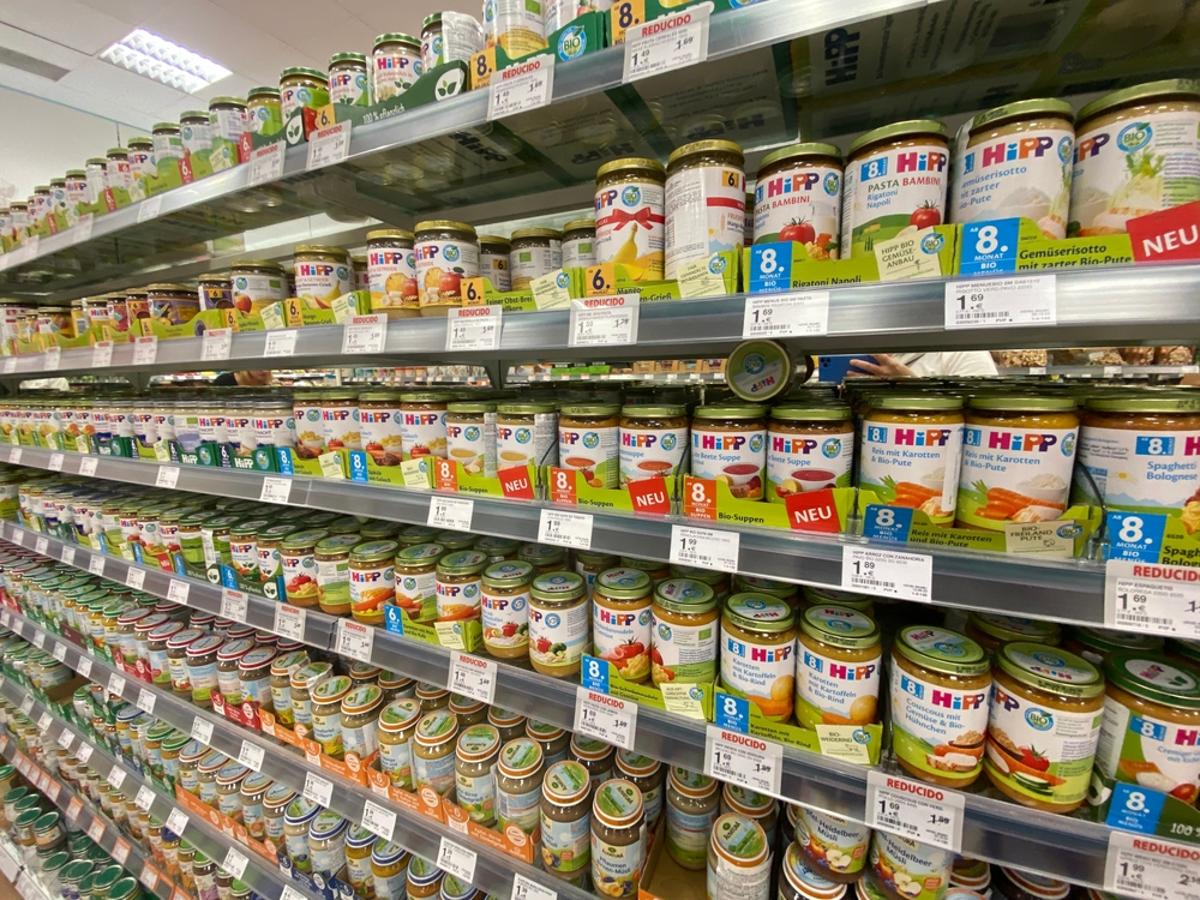
Extortion in the Food Industry: Rat Poison in Baby Food Puts the Sector on High Alert
Companies Mentioned
Why It Matters
The suspected extortion attack threatens consumer trust and could trigger costly recalls across the sector, pressuring manufacturers to strengthen security protocols.
Key Takeaways
- •Rat poison found in HiPP baby food jar in Austria
- •Police suspect extortion motive, a rare but serious threat
- •HiPP recalled products from over 1,000 Spar stores nationwide
- •Incident underscores need for tighter supply‑chain security in food industry
Pulse Analysis
The discovery of rat poison in a HiPP baby‑food jar has sent shockwaves through the European food sector, reminding regulators that food safety breaches can stem from criminal intent as well as accidental contamination. While food‑borne illness outbreaks are more common, extortion‑driven tampering is rare, making this incident a red flag for manufacturers that rely on complex, multi‑tiered supply chains. Authorities in Austria quickly traced the contaminated 190‑gram jar after a vigilant consumer reported the anomaly, prompting a swift police investigation into a possible targeted attack.
For producers, the incident underscores the urgency of implementing robust traceability and tamper‑evidence technologies. Advanced barcode scanning, blockchain‑based provenance records, and real‑time monitoring of ingredient shipments can help detect anomalies before products reach shelves. Regulators are likely to tighten inspection protocols, especially for high‑risk categories such as infant nutrition, where the margin for error is minimal. The recall of products from more than 1,000 Spar stores illustrates how quickly a localized breach can cascade into a nationwide supply‑chain disruption, incurring significant financial and reputational costs.
Looking ahead, the food industry must treat extortion threats as a strategic risk, integrating cybersecurity principles with physical product security. Companies are expected to conduct regular threat assessments, train staff to recognize suspicious behavior, and collaborate with law‑enforcement agencies to share intelligence. As consumer confidence hinges on the perceived safety of everyday essentials, proactive measures will not only protect public health but also safeguard brand equity in an increasingly vigilant market.
Extortion in the food industry: rat poison in baby food puts the sector on high alert
Comments
Want to join the conversation?
Loading comments...