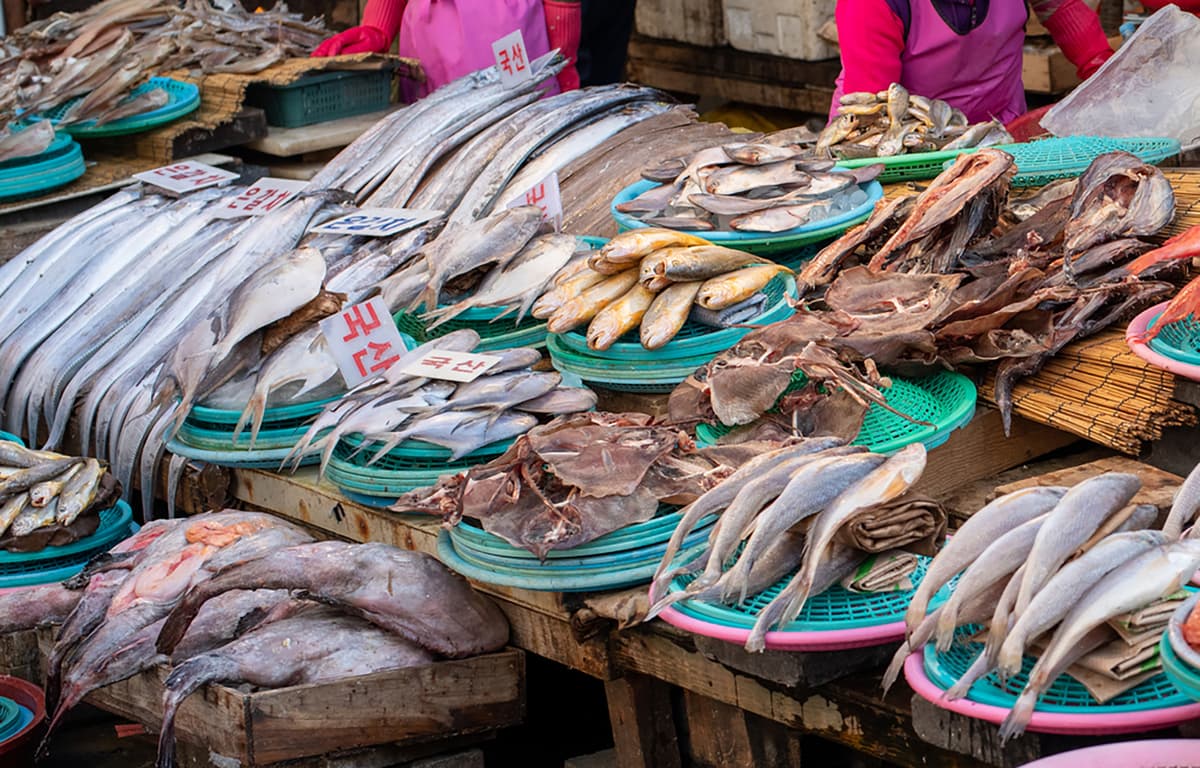
FAO: Seafood Fraud Affecting up to 20 Percent of Global Trade
Why It Matters
Seafood fraud erodes consumer trust, inflates prices and masks illegal fishing, threatening both market integrity and marine sustainability. Effective enforcement can shift the risk‑reward calculus for fraudsters, protecting a multi‑billion‑dollar industry.
Key Takeaways
- •Up to 20% of global seafood trade is fraudulent, per FAO report
- •Fraud rates exceed meat (13.4%) and produce (10.4%) benchmarks
- •DNA, isotope and NMR testing improve detection but are costly
- •Low inspection rates (<1%) undermine deterrence; risk‑based targeting recommended
- •Harmonized labeling with scientific names faces cultural and trade hurdles
Pulse Analysis
Seafood fraud has emerged as a systemic risk for a market worth roughly $195 billion each year, according to a new FAO study. The analysis shows that about one in five seafood transactions involve some form of deception—whether species substitution, false sustainability claims, or added water to boost weight. Compared with meat and fresh produce, the seafood sector exhibits the highest fraud incidence, a disparity driven by the sheer number of species traded and the complexity of international supply chains. This prevalence not only inflates consumer prices but also conceals illegal, over‑fished catches, undermining global efforts to protect marine ecosystems.
The report highlights advanced analytical methods—DNA barcoding, isotope profiling and nuclear magnetic resonance—as powerful tools to uncover mislabeling. While these technologies dramatically improve detection accuracy, their deployment remains uneven due to high costs and technical expertise requirements. Consequently, many nations rely on minimal inspection rates, sometimes below one percent of imports, which weakens deterrence. FAO officials advocate for risk‑based sampling that focuses on high‑value species, price anomalies and supply‑chain hotspots, arguing that strategic targeting can achieve greater impact than broad, random testing.
Looking ahead, FAO proposes a coordinated framework that leverages national inspection systems and shared regional laboratory capacity rather than a single global monitoring program. Harmonizing labeling standards—especially the mandatory use of scientific species names—could reduce ambiguity, though cultural and trade considerations pose challenges. By integrating sophisticated testing into existing food‑control regimes, securing sustainable funding, and ensuring credible sanctions, regulators can reshape the fraud risk‑reward equation, safeguard consumer confidence, and support sustainable fisheries worldwide.
FAO: Seafood fraud affecting up to 20 percent of global trade
Comments
Want to join the conversation?
Loading comments...