Faster Slaughterhouse Line Speeds Are Increasingly a Climate Problem
Why It Matters
Higher slaughter line speeds amplify occupational hazards and greenhouse‑gas emissions, threatening worker health, food safety, and climate objectives.
Key Takeaways
- •USDA plan raises poultry line speed 25% to 175 birds per minute
- •Hog facilities could operate without any line‑speed cap under new rule
- •Projected extra production adds 114 billion liters water and 2 billion kg CO₂
- •Daily U.S. slaughterhouse injuries average 27 serious cases, likely to rise
- •Over 72,000 comments submitted; unions and NGOs largely oppose the changes
Pulse Analysis
The USDA’s February rulemaking seeks to boost efficiency in meat processing by allowing poultry plants to kill 175 chickens per minute—a 25 percent jump—and by eliminating speed limits for hog slaughter. Proponents argue higher throughput lowers costs and meets rising consumer demand, while the agency claims the changes do not trigger NEPA review because the Food Safety and Inspection Service is categorically excluded from environmental assessments. This regulatory stance reflects a broader industry push for deregulation that began under the previous administration, leveraging waivers that already let some plants exceed traditional caps.
Beyond the immediate operational gains, the environmental calculus is stark. Researchers at Johns Hopkins estimate the added poultry output could consume an extra 114 billion liters of water annually—roughly 45,400 Olympic‑size pools—and emit 2 billion kilograms of CO₂, comparable to the yearly output of 467,000 gasoline‑powered vehicles. Hog production would add another 95 billion liters of water and 1.5 billion kilograms of CO₂, mirroring emissions from 350,000 cars. These figures ignore downstream effects such as increased feed cultivation, manure management, and wastewater treatment, all of which compound the climate footprint of a faster‑moving meat supply chain.
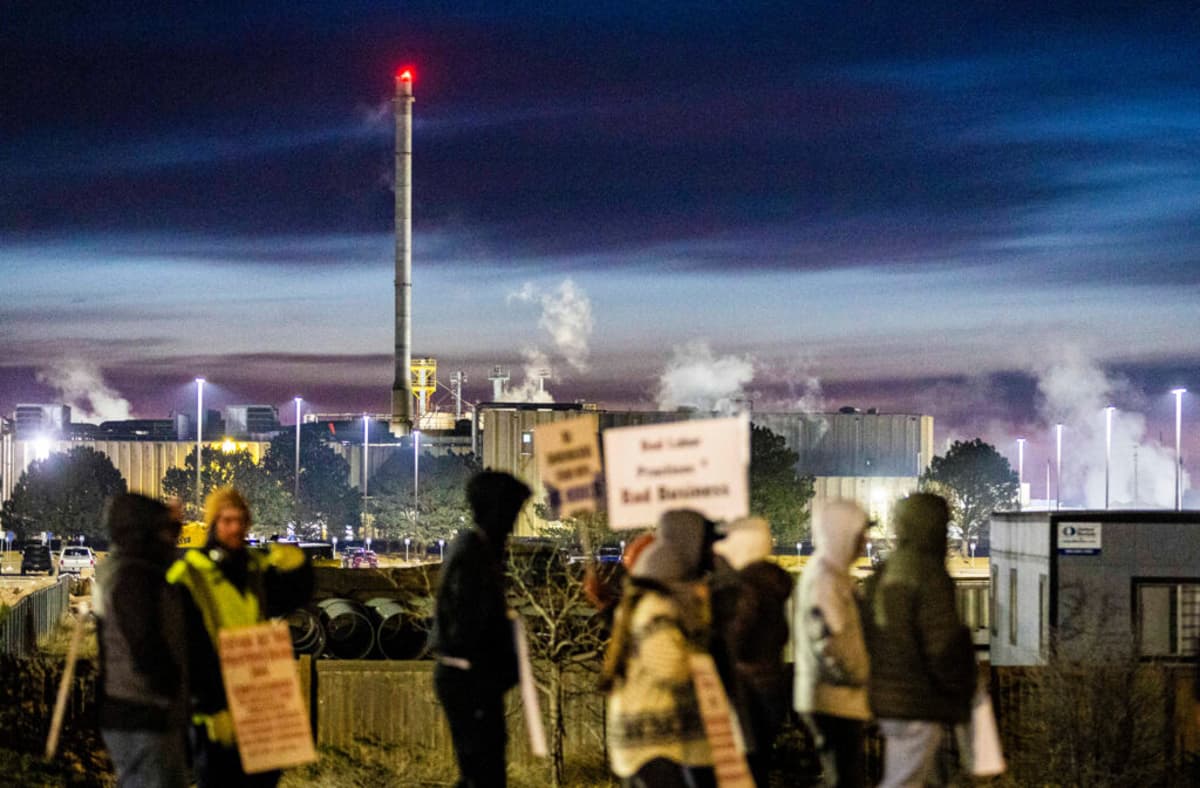
The human dimension intensifies the controversy. Data from 29 states show an average of 27 serious injuries—amputations, eye loss, or hospitalizations—occur daily in slaughterhouses, a rate likely to climb as workers scramble to keep pace with accelerated lines. Labor unions, environmental groups, and food‑safety advocates have lodged tens of thousands of comments, warning that reduced inspection time jeopardizes product safety and animal welfare. With mounting political pressure and a high‑profile strike at a JBS plant highlighting the stakes, the USDA faces a pivotal decision that will shape the intersection of food production, worker rights, and climate policy for years to come.
Faster Slaughterhouse Line Speeds Are Increasingly a Climate Problem
Comments
Want to join the conversation?
Loading comments...