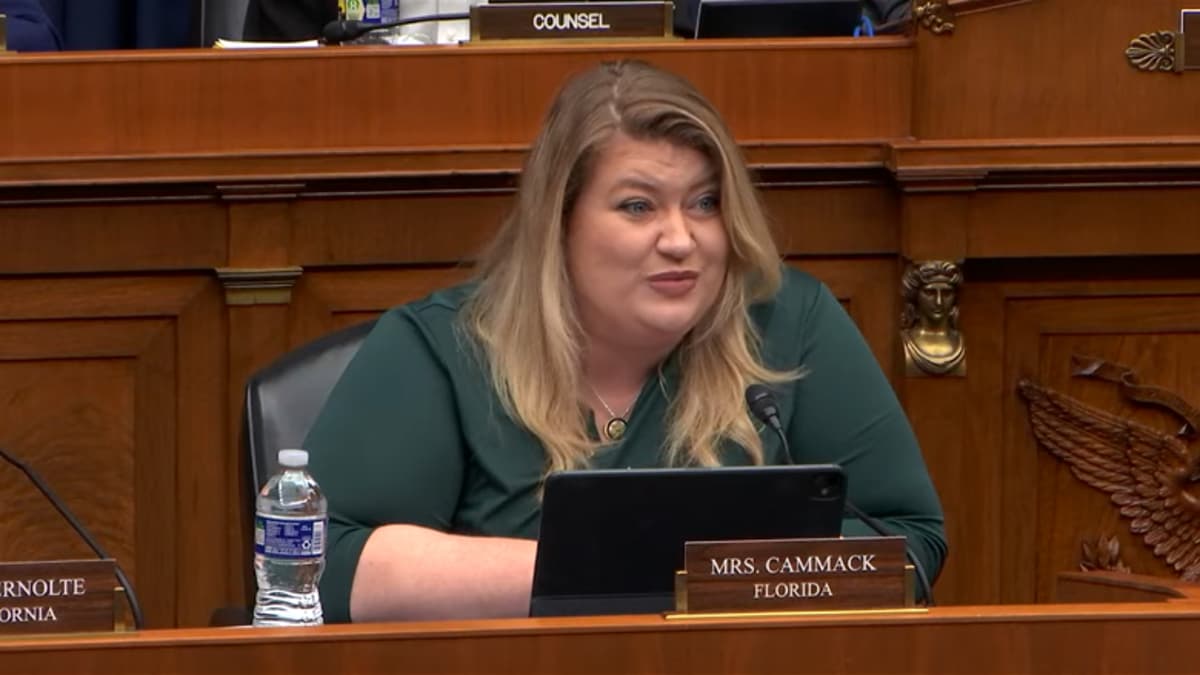
Federal Preemption of State Food Safety Laws Debated During Congressional Hearing
Why It Matters
Federal preemption could reshape the U.S. food‑safety landscape, either streamlining compliance for national brands or eroding state‑level consumer protections. Adequate FDA resources and clear authority are critical to maintaining food safety amid growing regulatory complexity.
Key Takeaways
- •FRESH Act seeks to preempt state food‑safety laws nationwide
- •Industry estimates $1.5 billion cost for retailers to comply with patchwork regulations
- •EWG warns preemption could halt state-driven bans on harmful chemicals
- •FDA resource cuts of 14‑20% (≈4,000 staff) threaten enforcement
- •Proposed user‑fee model aims to fund systematic GRAS ingredient reviews
Pulse Analysis
The congressional hearing underscored a growing tension between uniform federal oversight and the rising tide of state‑level food‑safety initiatives. Retailers like ShopRite estimate that navigating nine different state regimes could cost roughly $1.5 billion, a burden likely passed to shoppers through higher grocery bills. Proponents of the FRESH Act argue that a single FDA‑driven standard would eliminate costly duplication, while opponents contend that state bans have historically driven the removal of hazardous additives, especially in school meals. This debate reflects broader concerns about market efficiency versus localized consumer protection.
At the heart of the discussion is the GRAS "loophole," which permits companies to self‑certify ingredient safety without FDA review. The FRESH Act proposes third‑party panels to affirm GRAS determinations, giving the agency a deadline to intervene; missed deadlines would allow market entry. Environmental groups, led by the EWG, argue that only unbiased, science‑based review can safeguard public health, urging systematic post‑market assessments akin to EPA pesticide reviews. Cost estimates of $2.5‑$5 million per ingredient highlight the resource intensity of such a program, prompting calls for dedicated user‑fee funding.
Compounding the regulatory challenges are severe staffing reductions at the FDA—an estimated 14‑20% cut, or about 4,000 positions, since the previous administration. Stakeholders agree that without restored capacity, even well‑crafted legislation will falter. Proposals include a user‑fee structure for food and chemical manufacturers and the Federal and State Food Safety Information Sharing Act, which would allow FDA to exchange real‑time data with state agencies during recalls. Strengthening both funding and inter‑agency collaboration is seen as essential to prevent incidents like the recent infant formula botulism outbreak and to ensure a resilient, science‑driven food‑safety system.
Federal Preemption of State Food Safety Laws Debated During Congressional Hearing
Comments
Want to join the conversation?
Loading comments...