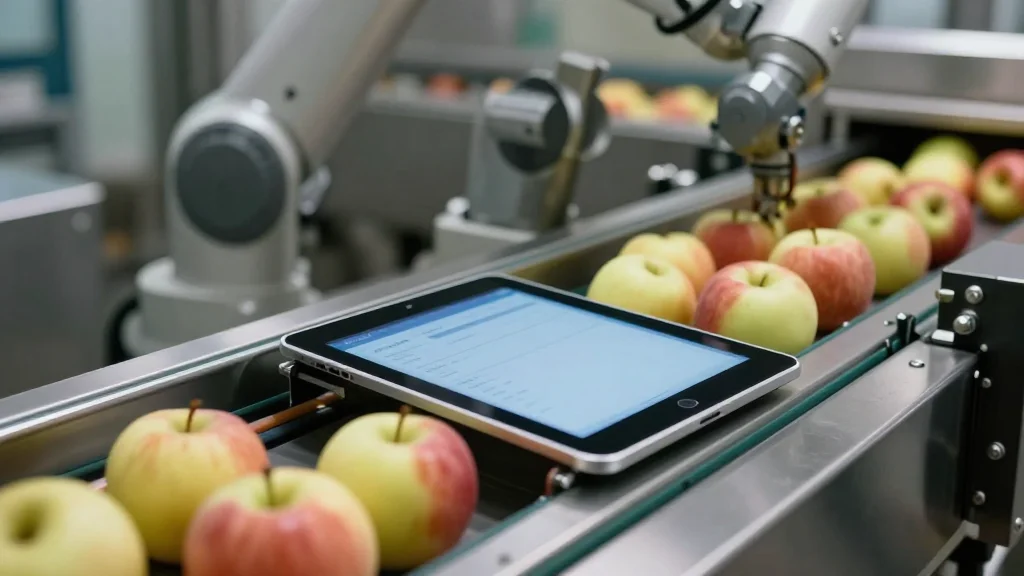
From Lean to Digital Lean: An Evolution of Lean in Food & Beverage
Why It Matters
Digital Lean boosts product quality, reduces downtime, and accelerates response to market volatility, giving food manufacturers a decisive competitive edge in an increasingly complex, high‑mix environment.
Key Takeaways
- •Digital Lean swaps paper logs for real-time mobile data capture.
- •AI agents automate quality checks and trigger line stoppages instantly.
- •Adaptive work instructions cut changeover time, reducing tribal knowledge reliance.
- •Real-time metrics enable proactive maintenance, boosting equipment uptime.
- •Frontline workers become data‑driven problem solvers, improving accountability.
Pulse Analysis
The shift from traditional Lean to Digital Lean is driven by exploding SKU portfolios and stricter traceability mandates. Manufacturers can no longer rely on end‑of‑shift reports; instead, they need instant visibility across the line. Mobile‑first platforms act as a unified communication hub, merging shop‑floor sensor streams with ERP and quality systems to create a single pane of glass. This integration eliminates data silos, accelerates information flow, and equips executives with live performance dashboards that were previously impossible.
Operationally, Digital Lean delivers tangible gains. AI agents monitor temperature, pressure, and label alignment, automatically validating quality and halting production when deviations occur. Automated checklists replace manual 5S audits, ensuring consistent compliance and a digital audit trail. Predictive maintenance tools analyze real‑time equipment data, diagnosing faults before they cause costly downtime. The result is higher line uptime, faster root‑cause identification, and a measurable reduction in waste—critical metrics for margin‑sensitive food producers.
Beyond technology, the human element is the true differentiator. Handheld devices give operators immediate access to performance metrics, turning them into data‑driven problem solvers who can troubleshoot on the spot. Skills‑based work instructions adapt to each changeover, capturing expert knowledge and disseminating it across the workforce. This empowerment drives accountability, supports upskilling initiatives, and creates a culture of continuous improvement. Companies that embed Digital Lean into their core operations are better positioned to anticipate market shifts, maintain product integrity, and sustain long‑term growth in a highly competitive sector.
From Lean to Digital Lean: An Evolution of Lean in Food & Beverage
Comments
Want to join the conversation?
Loading comments...