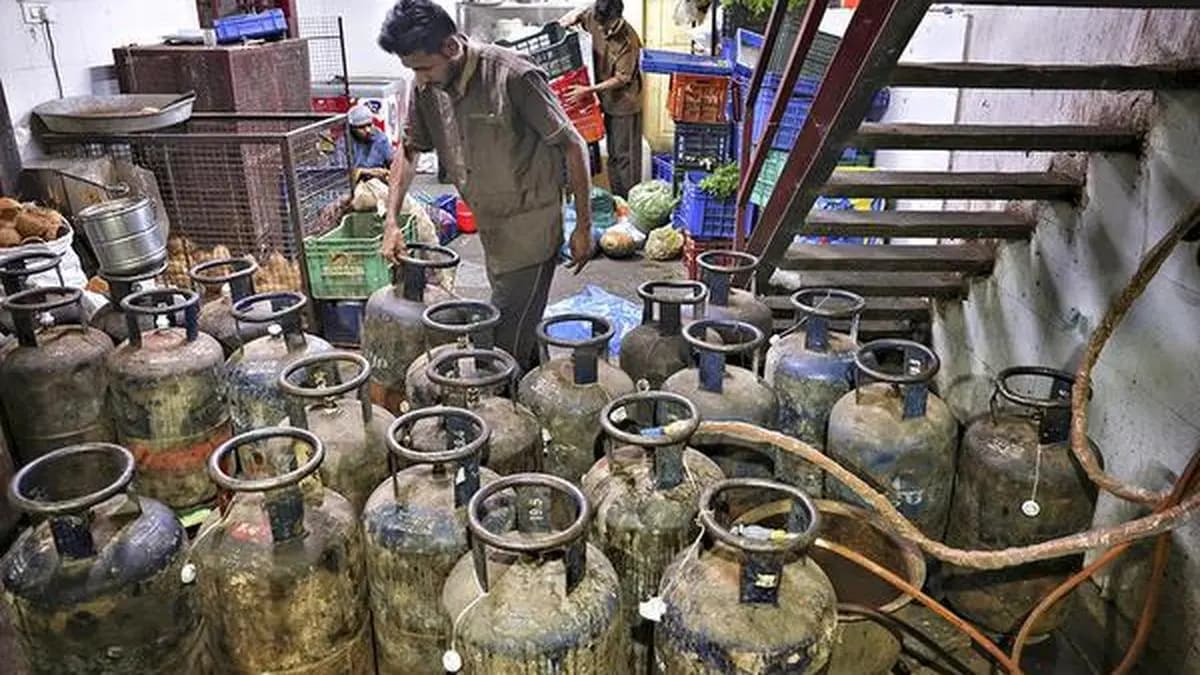
From Restaurants to Packaged Food, a Slew of Sectors See Higher Cost Pressures Post Commercial LPG Price Hike
Why It Matters
Higher LPG costs threaten profit margins and could accelerate food‑price inflation, squeezing both consumers and small‑business owners while pressuring the Indian hospitality and food‑processing industries to seek alternative energy solutions.
Key Takeaways
- •Third LPG hike adds ₹1,332 ($16) per cylinder, highest ever
- •Restaurants may raise menu prices 10‑15% (up to 20‑50% for stalls)
- •Packaged‑food makers face 1‑2% cost rise from higher LPG
- •Only 25% of hotel kitchens can switch to induction now
- •LPG surge indirectly lifts dyeing and consumer‑durables production costs
Pulse Analysis
The latest commercial LPG adjustment in India reflects a broader global gas squeeze, driven by geopolitical tensions in West Asia and tighter supply pipelines. By adding roughly $12 per cylinder – the steepest increase in a single revision – the government has pushed the cumulative price rise to about $16, a level that reverberates through the country’s cost‑of‑living calculations. Energy‑intensive businesses, especially those reliant on LPG for cooking and processing, now face a new baseline for operating expenses, prompting a reassessment of budgeting and pricing strategies.
For the hospitality sector, the impact is immediate and visible. Restaurants and hotels, which allocate a sizable share of their overhead to fuel, are already flagging menu price hikes of 10‑15% and, in the case of street‑food vendors, potential spikes up to 50%. Small and micro‑enterprises, lacking the scale to absorb shocks, risk losing price‑sensitive customers, especially among students and low‑income workers. While some operators are eyeing induction cooktops as a mitigation route, only about 25% of kitchen capacity can currently transition, leaving the majority exposed to sustained LPG volatility.
Beyond direct users, the ripple effect touches export‑oriented manufacturers and ancillary industries. Higher LPG costs elevate the expense of dyeing in textile plants and glass‑making in consumer‑durables, eroding margins for Indian exporters competing in price‑sensitive global markets. Policymakers may need to balance short‑term relief measures with longer‑term energy diversification, encouraging cleaner alternatives and stabilising fuel pricing to safeguard inflation targets and preserve the competitiveness of India’s food‑service and manufacturing sectors.
From restaurants to packaged food, a slew of sectors see higher cost pressures post commercial LPG price hike
Comments
Want to join the conversation?
Loading comments...