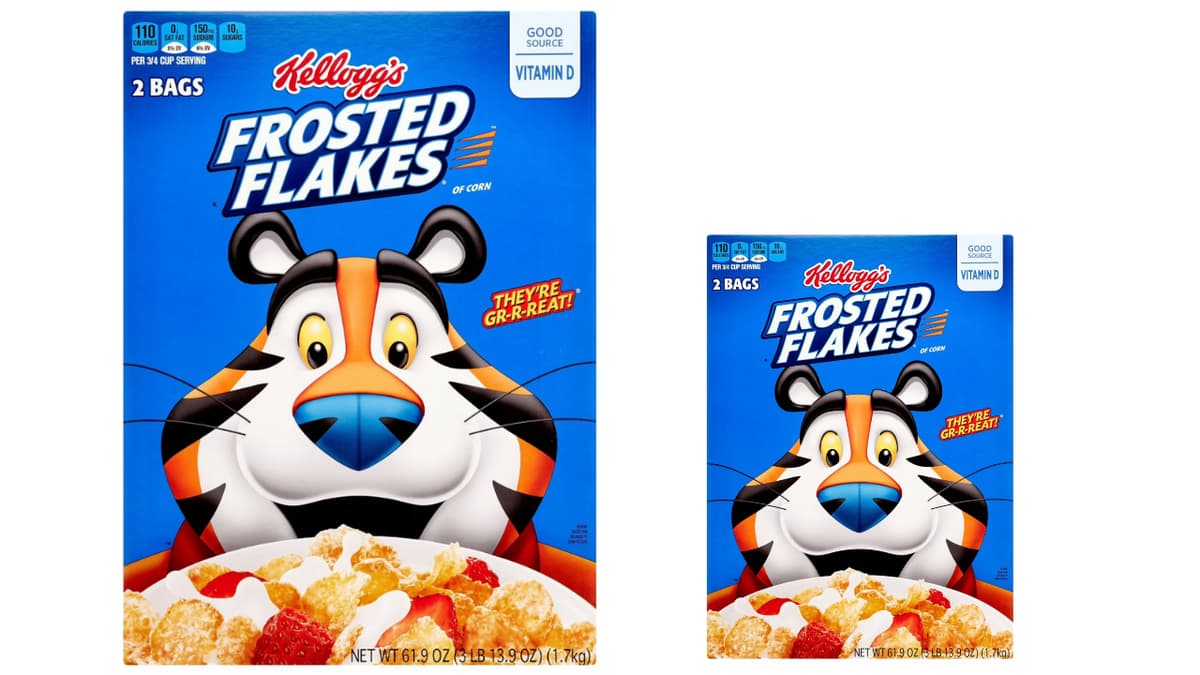
Frosted Flakes Costs Almost $2 More for About 2 Ounces Less
Companies Mentioned
Why It Matters
Hidden size reductions amplify inflation’s bite, especially for price‑sensitive shoppers, and signal a shift in CPG pricing tactics that can erode household purchasing power.
Key Takeaways
- •Frosted Flakes price rose $1.50 for 2.3‑ounce reduction.
- •Shrinkflation could add $1,000 annual grocery cost for a family of four.
- •M&Ms price per ounce doubled since 2020, highlighting broader trend.
- •Ice‑cream brands kept size while raising prices, showing selective shrinkage.
- •Analysts warn low‑income households feel greatest impact from hidden size cuts.
Pulse Analysis
Shrinkflation has become a silent driver of consumer price inflation, slipping past shoppers who focus primarily on headline price tags. By subtly trimming product weight or volume while posting higher shelf prices, manufacturers preserve profit margins without triggering the same backlash as overt price hikes. This tactic is evident across categories—from cereals and snack foods to beverages—where the per‑ounce cost has surged dramatically over the past six years. The practice exploits the human tendency to notice price changes more readily than size variations, allowing firms to mask true cost increases.
The financial impact on households is disproportionately felt by low‑income families, who allocate a larger share of income to food. InvestorsObserver’s model suggests an extra $1,000 per year could be spent on groceries due to shrinkflation alone, a figure that dwarfs the $741 already attributed to the phenomenon. When combined with broader inflationary pressures such as rising energy and housing costs, the cumulative effect can push essential spending beyond budget constraints, forcing consumers to either cut back on nutrition or seek cheaper alternatives, often at the expense of brand loyalty.
From a corporate perspective, shrinkflation is a strategic response to squeezed margins, but it also raises reputational risks. Brands that maintain package size while raising prices, like several premium ice‑cream makers, signal confidence in product value and may preserve consumer trust. Regulators and consumer‑advocacy groups are beginning to scrutinize labeling practices, urging clearer disclosures of net weight changes. For shoppers, heightened awareness—checking unit prices and comparing package sizes—remains the most effective defense against hidden cost creep.
Frosted Flakes costs almost $2 more for about 2 ounces less
Comments
Want to join the conversation?
Loading comments...