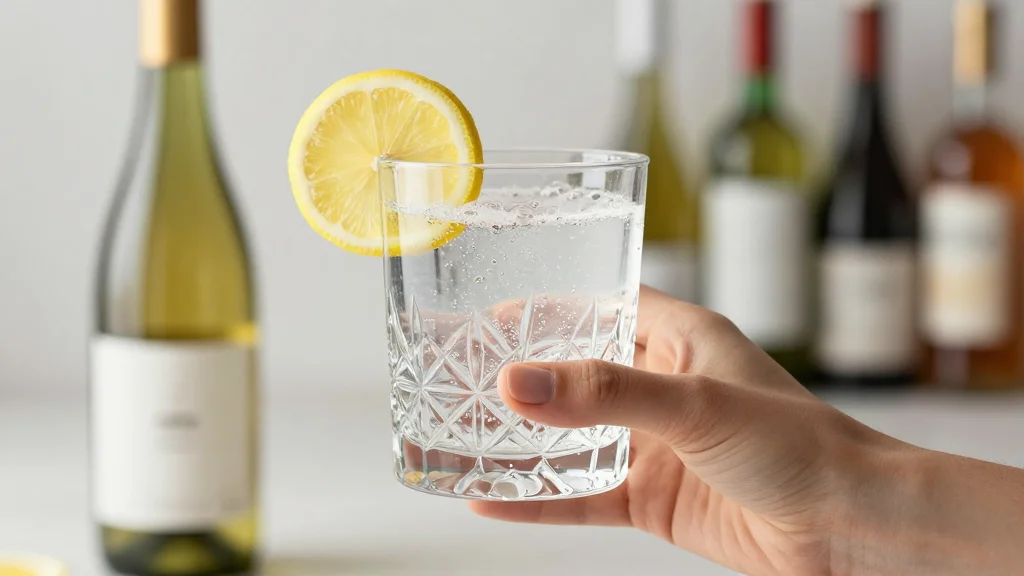
'Gen Z Walks Into A Bar...And Orders Water'
Why It Matters
The shift away from alcohol reshapes consumer spending, health outcomes, and the strategic focus of beverage companies, prompting a pivot toward wellness‑oriented products and sober‑event experiences.
Key Takeaways
- •US alcohol consumption hits 54% of adults, a 90‑year low
- •India's alcohol sales rise 7% annually, driven by young consumers
- •Gen Z cites health, surveillance, and social media as reasons to quit
- •Sober events and non‑alcoholic drinks gain market traction worldwide
Pulse Analysis
The worldwide dip in alcohol sales reflects a broader health‑first mindset that has accelerated over the past decade. In the United States, Gallup data shows only 54% of adults drink, the lowest rate in nine decades, while European surveys reveal that more than two‑thirds of consumers are either reducing intake or quitting entirely. Drivers include heightened awareness of alcohol‑related health risks, the stigma of public intoxication amplified by ubiquitous smartphones, and the growing body of scientific evidence linking even moderate drinking to long‑term disease. Together, these forces are nudging younger cohorts toward non‑alcoholic beverages, wellness drinks, and sober social experiences.
India stands out as a temporary counter‑trend, with alcohol volumes expanding about 7% per year. The country’s per‑capita consumption remains low—roughly three litres versus eight to nine litres in Western markets—so a youthful demographic entering legal drinking age fuels growth. However, urban pockets already show flattening sales among Gen Z, hinting that the same health‑centric and digital‑surveillance pressures evident elsewhere will eventually temper India’s market expansion. Companies operating in India must therefore anticipate a shift from volume‑driven growth to premiumization and diversification into low‑ or no‑alcohol offerings.
For the beverage industry, the implications are clear: product portfolios need rapid adaptation. Traditional brewers and distillers are investing in non‑alcoholic lines, while new entrants are capitalizing on the surge of sober events and wellness‑focused branding. Investors should monitor consumer sentiment metrics and regulatory trends, as tighter advertising rules and higher excise taxes could accelerate the transition. Ultimately, the move toward sobriety presents both a challenge to legacy alcohol revenue streams and an opportunity to capture a growing segment of health‑conscious consumers seeking flavorful, low‑risk alternatives.
'Gen Z Walks Into A Bar...And Orders Water'
Comments
Want to join the conversation?
Loading comments...