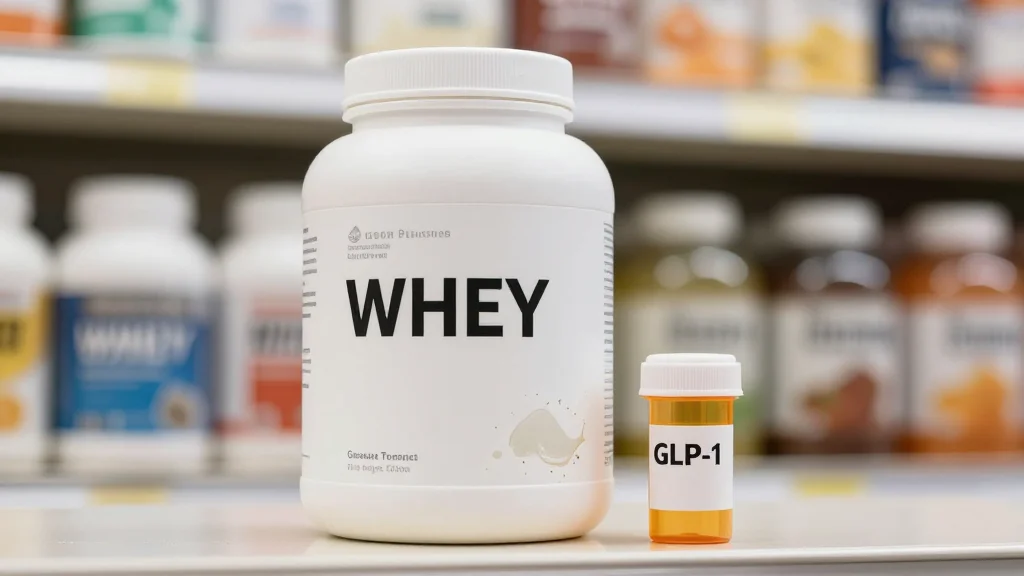
GLP-1 Boom Raises Whey Protein Prices with Challenging Retailers
Companies Mentioned
Why It Matters
Rising whey costs threaten profit margins and could force product reformulations, reshaping pricing and assortment strategies for fast‑growing wellness categories in retail and food manufacturing.
Key Takeaways
- •Whey protein price in NW Europe hit €1,700/ton, 50% YoY rise
- •UK WPC 80% price jumped from £4,300 to £23,800 this year
- •Retailers face higher shelf prices and tighter inventory on protein‑rich foods
- •Small brands report ingredient costs doubling versus previous quarter
- •New whey plants and protein blends emerging to ease supply gap
Pulse Analysis
The explosion of GLP‑1 agonists such as Mounjaro and Wegovy has reshaped consumer nutrition habits almost overnight. Physicians routinely advise patients on these drugs to boost protein intake to preserve lean muscle during rapid weight loss, turning protein from a niche sports‑nutrition ingredient into a mainstream dietary priority. That shift has spilled over into grocery aisles, where manufacturers are fortifying everything from popcorn to ready‑to‑eat meals with whey. The resulting demand surge has outpaced the dairy sector’s ability to source the milk‑derived protein, setting the stage for a price shock.
Data from DCA Market Intelligence and Vesper show whey protein concentrate prices soaring to €1,700 per metric ton in north‑western Europe—more than 50 % above early‑year levels—and UK prices climbing from £4,300 to nearly £23,800 per ton within twelve months. Smaller brands like Hermosa report ingredient costs doubling quarter‑over‑quarter, while large retailers scramble for limited allocations. The squeeze forces manufacturers to either pass higher costs onto consumers, trim product margins, or reformulate with cheaper protein blends, creating volatility across fast‑growing wellness categories.
Supply‑side responses are already materialising. New whey‑processing facilities are under construction in the EU and North America, and several firms are experimenting with hybrid blends that mix whey with milk‑derived casein or plant proteins to stretch inventories. For grocery chains, the prudent strategy is to diversify ingredient sourcing, negotiate longer‑term contracts, and communicate price adjustments transparently to shoppers. As GLP‑1 adoption continues to climb, the protein premium is likely to persist, making agility in product development and cost management a competitive differentiator for both manufacturers and retailers.
GLP-1 boom raises whey protein prices with challenging retailers
Comments
Want to join the conversation?
Loading comments...