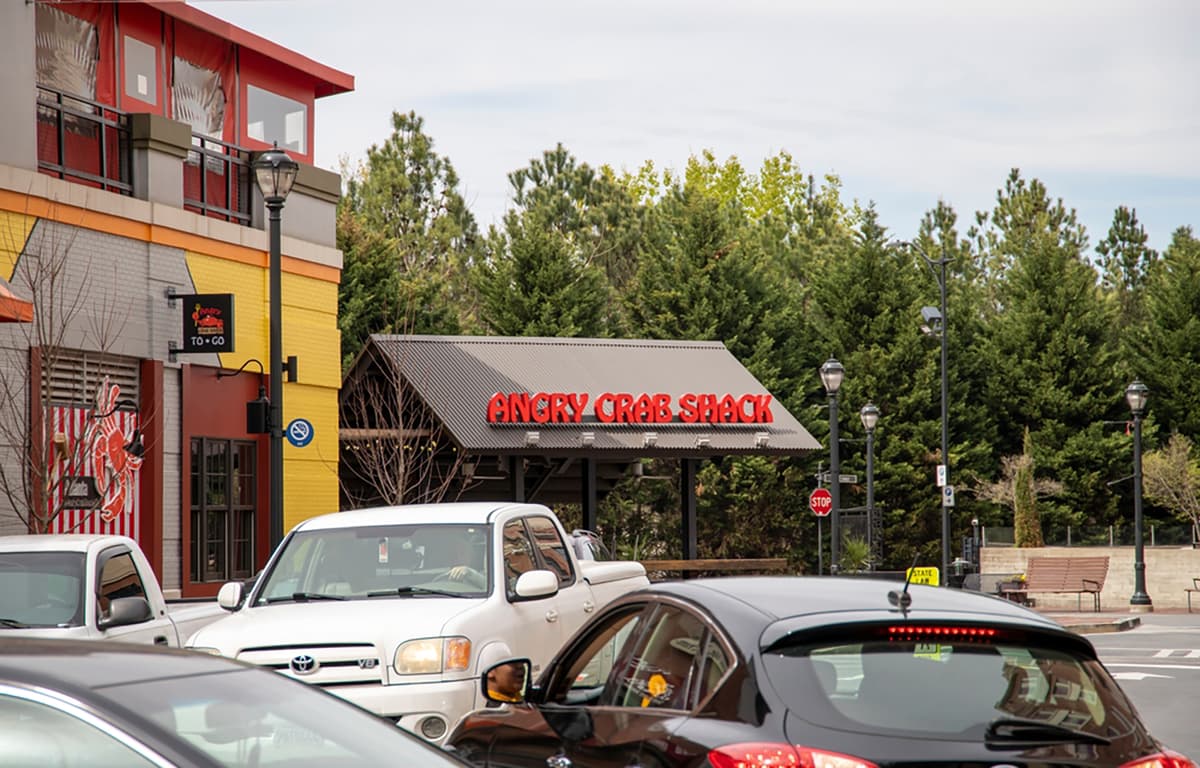
Hands-On Approach Toward Supplier Contracts Steadies Angry Crab Shack Amid Tariffs, Fuel Price Spikes
Companies Mentioned
Why It Matters
Direct supplier contracts give Angry Crab Shack pricing resilience amid trade tariffs and rising fuel costs, strengthening its competitive edge and supporting scalable growth. The model demonstrates how mid‑size restaurant chains can balance centralized buying power with localized supply reliability.
Key Takeaways
- •Angry Crab Shack now negotiates directly with seafood suppliers
- •Long‑term contracts give franchisees better pricing than Sysco alone
- •Forward price commitments hedge against tariffs and fuel cost volatility
- •South Pacific king crab reduces cost versus Alaskan varieties
- •Menu expansion plans include giant prawns after London trial
Pulse Analysis
Angry Crab Shack’s pivot to direct supplier contracts reflects a broader trend of restaurant operators taking greater control of their supply chains. By bypassing the traditional distributor bottleneck, the chain can secure volume commitments for high‑demand items like king crab and shrimp, ensuring consistent inventory across its 24 locations. This approach also creates leverage for negotiating favorable terms, especially for smaller franchise units that previously faced higher per‑unit costs through Sysco alone.
The timing of these contracts coincides with heightened trade uncertainty and volatile fuel prices stemming from global events. By locking in forward prices, Angry Crab Shack effectively hedges against tariff‑induced cost spikes, preserving menu price stability for core dishes. While shrimp remains a reliable price anchor due to year‑round farmed supply, the company’s choice to source South Pacific king crab—cheaper than Alaskan varieties—demonstrates strategic cost‑saving without compromising quality. Anticipated fuel‑driven logistics cost increases are being managed through selective price adjustments on ancillary items, protecting the profitability of its flagship seafood boils.
Looking ahead, the chain’s expansion into new U.S. markets and a third London outlet underscores the scalability of its supply‑chain model. Attendance at Seafood Expo North America and the exploration of novel species such as giant prawns signal a commitment to menu innovation that can differentiate the brand in a crowded casual‑dining segment. As other operators observe Angry Crab Shack’s success, the industry may see a shift toward hybrid sourcing—direct contracts paired with third‑party distribution—to balance cost efficiency, risk mitigation, and growth ambitions.
Hands-on approach toward supplier contracts steadies Angry Crab Shack amid tariffs, fuel price spikes
Comments
Want to join the conversation?
Loading comments...