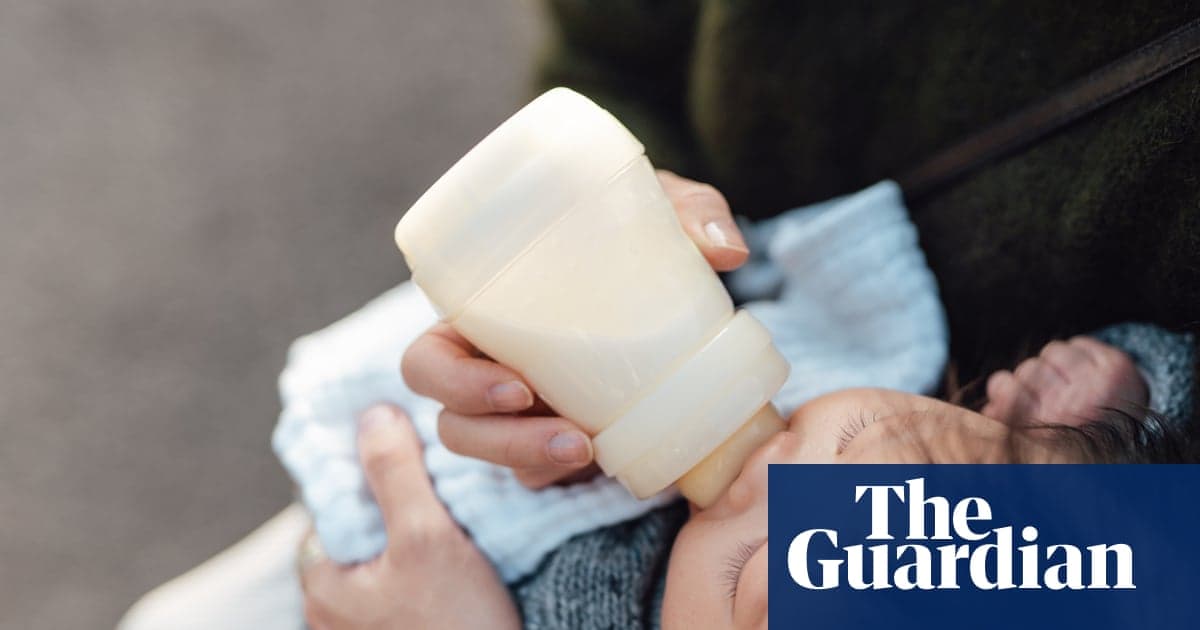
Health Advocates Warn Government’s Claims of Baby Formula Safety Contradict Data
Why It Matters
Widespread endocrine‑disrupting chemicals in infant formula threaten child health and could trigger tighter federal regulations and industry reform.
Key Takeaways
- •Half of tested formulas contained PFAS, a persistent toxic chemical
- •46% of samples showed phthalates from plastic packaging
- •Lead levels are lower than historic highs but still unregulated
- •FDA did not disclose which brands contained contaminants
- •Legislators in CA and VT propose mandatory public test results
Pulse Analysis
The latest FDA "Operation Stork Speed" sweep examined 300 infant‑formula batches for a suite of hazardous substances, including PFAS, phthalates, lead, pesticides and mercury. Although officials hailed the effort as a milestone—citing that 95% of PFOS measurements fell under the agency’s 2.9 parts‑per‑trillion threshold—independent scientists warn that half of the samples still harbored PFAS and nearly half contained phthalates. These chemicals are known endocrine disruptors, and even trace exposure during the first months of life can impair immune development and hormone balance. The lack of brand‑specific data and the omission of multi‑contaminant information further erode confidence in the "high safety" claim.
Public‑health advocates argue that the FDA’s current approach underestimates risk, especially for infants who consume formula at a higher food‑to‑body‑weight ratio than adults. Studies link low‑level PFAS exposure to reduced vaccine response and developmental delays, while phthalates from plastic packaging have been tied to reproductive and metabolic disorders. The detection of chlorpyrifos—a pesticide the EPA attempted to ban—highlights regulatory gaps that could allow legacy toxins to persist in the supply chain. Without enforceable limits for phthalates or clear action levels for lead, manufacturers face little incentive to reduce contaminant levels beyond voluntary testing.
The controversy is prompting legislative momentum in states such as California and Vermont, where bills would require formula producers to publicly disclose test results and establish enforceable contaminant thresholds. If passed, these measures could reshape the infant‑nutrition market, driving companies to adopt cleaner processing methods and invest in alternative packaging. For investors and stakeholders, the evolving regulatory landscape signals both risk and opportunity: firms that proactively eliminate PFAS and phthalates may gain a competitive edge, while those lagging could face recalls, litigation, and reputational damage. Continued transparency and stricter standards are likely to become central to safeguarding the most vulnerable consumers.
Health advocates warn government’s claims of baby formula safety contradict data
Comments
Want to join the conversation?
Loading comments...