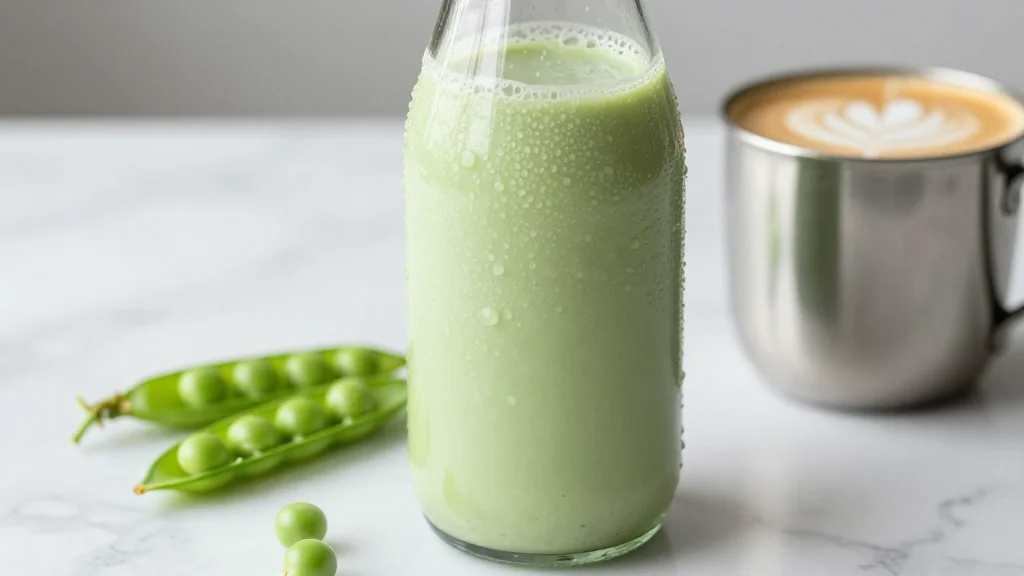
Health Needs, Technology Advancements Support Maturing Plant Protein Market
Why It Matters
The maturation of plant‑protein beverages unlocks growth for food‑and‑beverage companies while meeting consumer demand for sustainable, high‑protein nutrition, reshaping product portfolios across the industry.
Key Takeaways
- •US plant‑protein drinks now mainstream across retail channels.
- •New isolates improve solubility, flavor, and clarity.
- •Consumers seek protein for nutrition, weight, and wellness.
- •Formulation challenges mitigated by high‑shear mixing and hydrocolloids.
- •Hybrid drinks combine protein with electrolytes, adaptogens, caffeine.
Pulse Analysis
Consumer demand for convenient protein has propelled plant‑based drinks from specialty health stores into the mainstream beverage aisle. Today’s shoppers look for protein to support muscle health, satiety, and overall wellness, whether they start the day with a fortified coffee or reach for a post‑workout shake. The rise of flexitarian and vegan diets, coupled with the popularity of GLP‑1 therapies that emphasize higher protein intake, expands the target audience to include seniors, athletes and weight‑conscious consumers alike.
Technological breakthroughs are the engine behind this market surge. Modern pea‑protein isolates such as PURIS 2.0 deliver superior solubility and neutral flavor, while PURIS Hi‑Lo enables stable performance in acidic drinks and PURIS ClearP provides the transparency needed for juice‑like protein waters. These innovations, together with advanced flavor‑masking, sweetening and high‑shear processing, eliminate the chalky texture and beany notes that once limited plant proteins, allowing formulators to achieve 20‑30 g protein per serving without compromising taste or mouthfeel.
For manufacturers, the evolving ingredient landscape translates into new product opportunities and supply‑chain considerations. Formulators must balance protein level, stability and processing constraints, often employing hydrocolloids and precise pH adjustments to prevent sedimentation. The next wave will likely see hybrid functional beverages that blend plant protein with electrolytes, adaptogens or caffeine, targeting both performance and stress‑relief segments. As sustainability and clean‑label expectations rise, companies that leverage these advanced proteins can differentiate their portfolios and capture a growing share of the high‑protein beverage market.
Health needs, technology advancements support maturing plant protein market
Comments
Want to join the conversation?
Loading comments...