Healthy Starts, Cravings Later: How 'Need States' Drive Daily Dining Decisions
Why It Matters
Understanding these emotional drivers enables operators to align menus and promotions with real‑time consumer motives, while the uptick in chain shrinkage warns of intensifying market pressure.
Key Takeaways
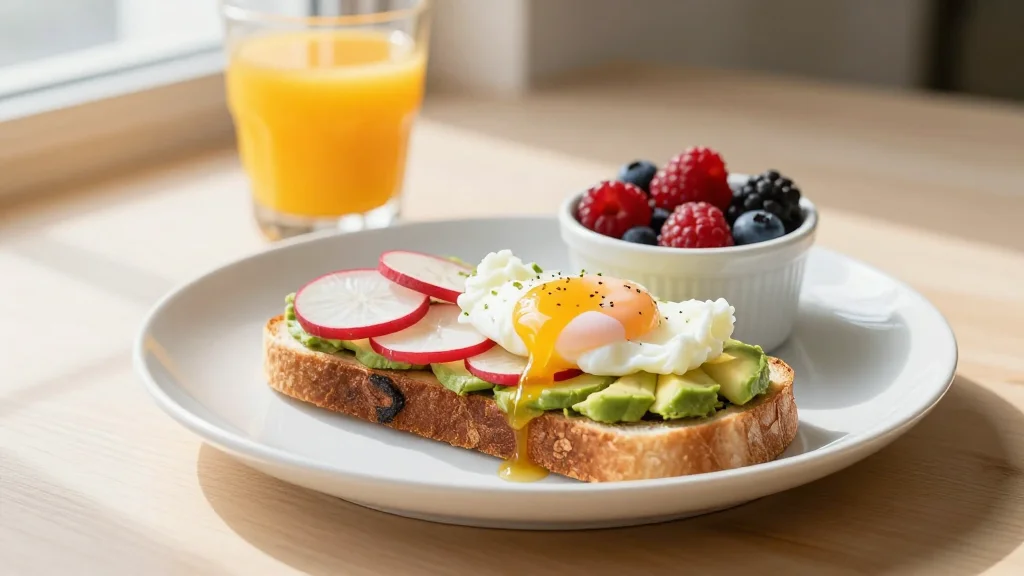
- •Breakfast choices driven by “better‑for‑you” need, about one‑third of meals
- •Craving‑satisfaction tops need states for lunch, snack, dinner, late night
- •Shrimp pasta orders rise to 40% among North American diners
- •Chain shrinkage climbs to 32% in 2025, indicating more closures
Pulse Analysis
The concept of "need states"—the emotional triggers behind dining decisions—offers a granular lens into consumer behavior that goes beyond traditional demographic segmentation. Technomic’s data reveals a clear diurnal pattern: health‑focused motivations dominate the morning, but as the day progresses, diners gravitate toward immediate gratification and social experiences. Restaurants that dynamically adjust menu positioning, such as highlighting lighter options at breakfast and promoting indulgent, share‑worthy dishes later, can capture higher spend per visit and improve loyalty. Marketers can also leverage time‑specific messaging to align with these shifting cravings, boosting relevance across digital and on‑site channels.
Beyond consumer psychology, the report underscores a sobering trend in the restaurant ecosystem: a growing proportion of the top 1,500 chains are contracting. The rise from 29% to 32% of brands reporting shrinkage within a year signals heightened competitive pressure, possibly driven by inflationary input costs, labor shortages, and evolving consumer expectations. Operators facing these headwinds are increasingly turning to asset-light models, strategic partnerships, and data‑driven location analytics to mitigate risk. For investors, the metric serves as an early warning indicator of market consolidation and the potential for acquisition opportunities.
Ingredient trends further illustrate how taste and convenience intersect with supply dynamics. Shrimp’s ascent in pasta dishes—capturing 40% of North American orders—reflects a broader appetite for seafood that offers perceived health benefits and novelty. Meanwhile, chicken retains its position as the dominant global pasta protein, favored especially in Latin America and Southeast Asia. This divergence presents a chance for chains to experiment with hybrid menus that blend familiar proteins with emerging seafood options, catering to both comfort seekers and adventurous eaters while navigating fluctuating commodity prices.
Healthy Starts, Cravings Later: How 'Need States' Drive Daily Dining Decisions
Comments
Want to join the conversation?
Loading comments...