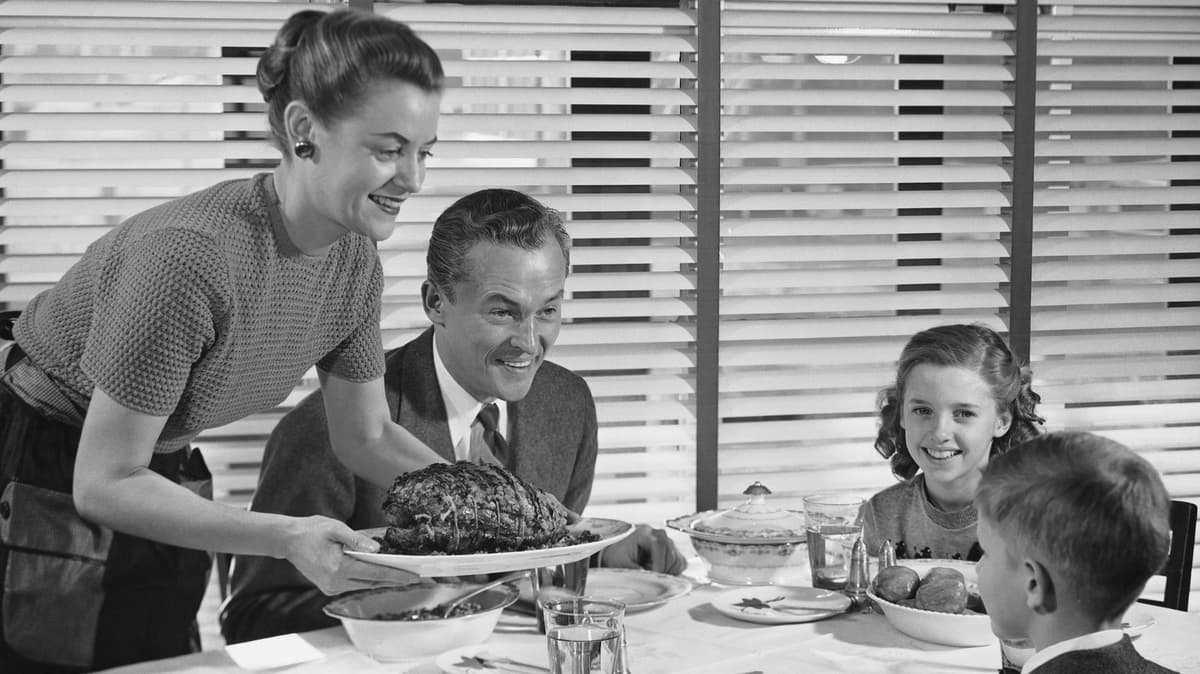
Here's How Much A Prime Rib Dinner Set Back Diners In The 1960s
Why It Matters
Understanding the drivers behind prime‑rib pricing reveals broader trends in beef supply, inflation, and restaurant cost structures, informing both consumer budgeting and industry strategy.
Key Takeaways
- •1960s prime rib meals cost $3.45‑$4.50 (≈$37‑$48 today).
- •Modern equivalents range $58‑$72, exceeding inflation adjustments.
- •Prime rib demand spikes during holidays, driving prices up.
- •U.S. cattle inventory at historic low, tightening beef supply.
- •Pandemic, feed costs, and drought add pressure to restaurant margins.
Pulse Analysis
The post‑war boom of the 1950s and 1960s turned dining out into a symbol of suburban prosperity. Prime rib, with its tender texture and rich flavor, became a staple on upscale menus, often bundled with sides like baked potatoes and salads. Vintage menus reveal that a full plate cost between $3.45 and $4.50 in 1964, which the Bureau of Labor’s calculator translates to roughly $37‑$48 in today’s dollars. Those figures set a baseline for comparing how the same cut is priced in contemporary steakhouses.
Today's prime‑rib prices have outpaced inflation, with comparable restaurants charging $58 to $72 per serving. Several market dynamics explain the gap. First, prime rib represents a limited‑supply cut, and roughly 70 % of the national volume is sold during the holiday season, creating a seasonal scarcity premium. Second, U.S. cattle inventories have fallen to their lowest levels in decades, driven by drought‑induced feed shortages and higher production costs. Finally, pandemic‑related labor and operating expenses have squeezed restaurant margins, prompting establishments to pass costs onto diners.
For consumers, the premium reflects both genuine scarcity and the willingness to pay for a classic dining experience. Restaurateurs respond by emphasizing the “Lawry Cut” heritage, offering limited‑time promotions, or substituting less‑expensive rib‑eye options to protect profit margins. Analysts predict that continued climate stress and feed‑price volatility will keep beef prices elevated, suggesting that prime‑rib dinners may remain a high‑ticket item for the foreseeable future. Monitoring cattle inventory reports and seasonal price spikes can help diners anticipate price movements and plan holiday meals accordingly.
Here's How Much A Prime Rib Dinner Set Back Diners In The 1960s
Comments
Want to join the conversation?
Loading comments...