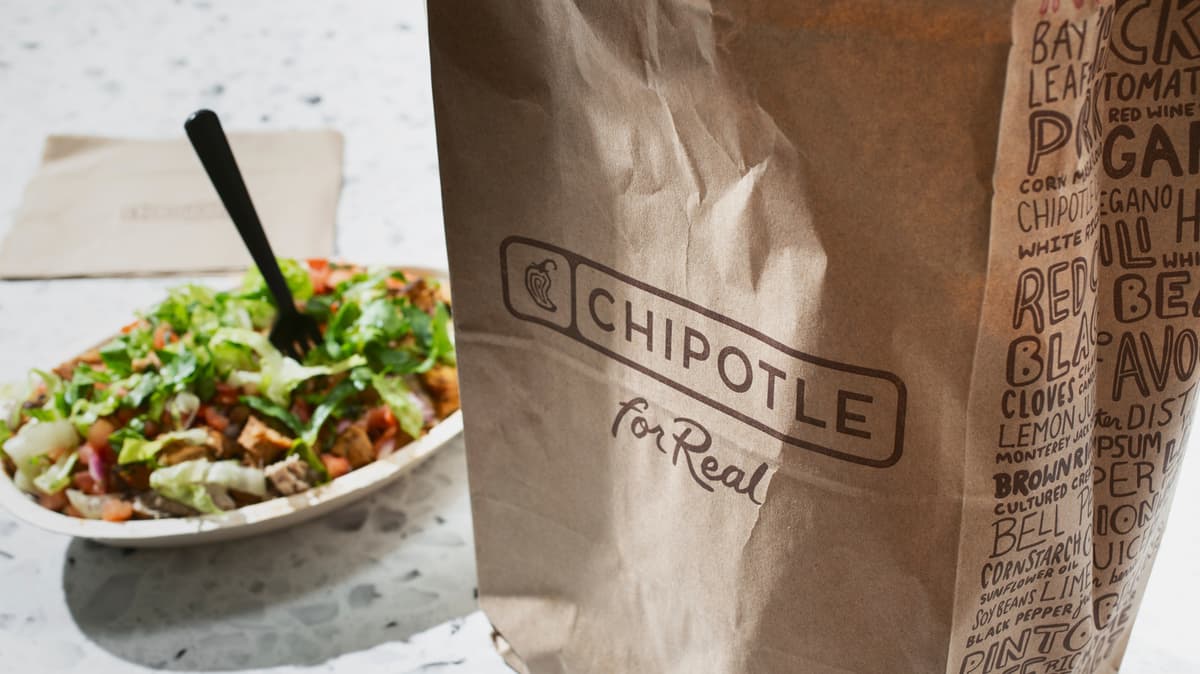
Here's What Happens To Chipotle's Leftover Food
Companies Mentioned
Why It Matters
Reducing food waste cuts methane emissions and improves brand reputation, positioning Chipotle as a sustainability leader in fast‑casual dining. Its investments accelerate industry‑wide adoption of greener practices and technologies.
Key Takeaways
- •455,766 lb of food donated in 2020 via Harvest Program
- •29% of Chipotle locations composted waste in 2020, expanding
- •Chipotle pledged 50% greenhouse‑gas cut by 2030
- •$100M invested in Cultivate Next fund for sustainable startups
- •47 million lb of locally sourced produce bought in 2024
Pulse Analysis
Chipotle’s waste‑reduction strategy reflects a growing awareness that food waste is a major environmental liability. By channeling surplus meals to charities through the Harvest Program, the chain diverted nearly half a million pounds of food from landfills in 2020, directly lowering methane emissions. The company also rolled out composting at roughly a third of its locations, turning inedible scraps into nutrient‑rich soil amendments, a move that aligns with municipal sustainability goals and appeals to eco‑conscious diners.
Beyond donation and composting, Chipotle tackles waste at the source. Initiatives such as the Autocado—an AI‑driven system that predicts avocado demand—help curb over‑ordering, while tracking consumer data refines inventory across all menu items. The brand’s commitment extends to packaging, with compostable bowls, bags and napkins replacing traditional plastics, and innovative up‑cycling projects like avocado‑pit‑dyed apparel. These actions not only reduce landfill burden but also reinforce Chipotle’s “Cultivate a Better World” ethos, resonating with investors and customers alike.
Looking ahead, Chipotle is betting on systemic change through its $100 million Cultivate Next venture fund. By backing startups like GreenField Robotics, which replaces herbicides with AI‑guided robots, and Meati Foods, a mycelium‑based meat alternative, the company is shaping a more sustainable supply chain. Coupled with a pledge to slash greenhouse‑gas emissions by half by 2030, these efforts signal that fast‑casual chains can drive both profitability and planetary stewardship, setting a benchmark for the broader restaurant industry.
Here's What Happens To Chipotle's Leftover Food
Comments
Want to join the conversation?
Loading comments...