Hidden Plastics: Tackling the Drinks Packaging Problem
Companies Mentioned
Why It Matters
The hidden plastic issue threatens brand credibility, adds regulatory risk, and forces the drinks industry to invest in new barrier technologies to meet consumer and policy demands.
Key Takeaways
- •Up to 22% of cartons consist of polyethylene liner
- •EU bans BPA in can linings, deadline 2028
- •Tetra Pak's plant‑based coating cuts carbon footprint 43%
- •Start‑ups like Notpla and Pulpex develop fibre‑based drink containers
- •Hidden plastics hinder recycling, driving new regulatory scrutiny
Pulse Analysis
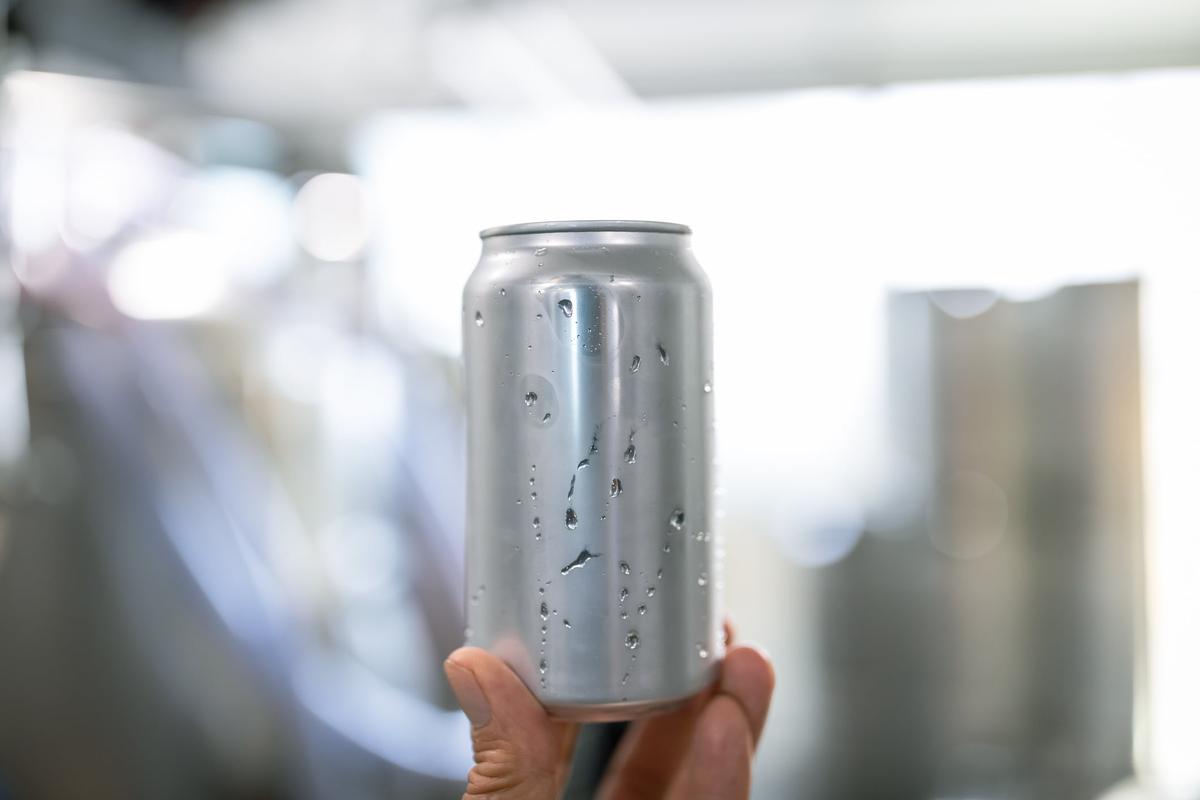
The prevalence of concealed polymer layers in beverage packaging has become a silent sustainability challenge. While these ultra‑thin coatings protect product integrity and extend shelf life, they are often invisible to shoppers, leading many to believe they are buying plastic‑free options. In reality, a typical shelf‑stable carton can contain roughly one‑fifth polyethylene, and aluminum cans rely on a hair‑thin plastic film to prevent corrosion. This disconnect fuels consumer frustration and complicates recycling streams, as mixed‑material composites resist conventional processing.
Health and regulatory pressures are accelerating the need for change. Bisphenol A, long used in epoxy linings, has been linked to endocrine disruption, obesity, and cardiovascular disease, prompting the European Food Safety Authority to slash allowable limits by a factor of 20,000 and ban BPA entirely from can linings by 2028. A 2023 European Environment Agency study estimated a global health burden of up to $227 billion from BPA exposure, underscoring the financial stakes for manufacturers. As regulators tighten standards, brands face potential supply‑chain disruptions and reputational damage if they cannot demonstrate safer, recyclable alternatives.
Innovation is emerging, but scaling remains a hurdle. Tetra Pak recently introduced a plant‑based barrier that lifted renewable content to 92% and slashed carbon emissions by 43%, signaling a viable path for large incumbents. Meanwhile, startups such as Notpla, Pulpex, and Paboco are reimagining containers from seaweed membranes to fully fibre‑based bottles, aiming for mass production in the next decade. These efforts require substantial R&D funding and clear regulatory pathways, yet they illustrate a growing momentum toward eliminating hidden plastics. For the drinks sector, the transition will be gradual, but early adopters stand to gain competitive advantage as consumers and policymakers demand transparent, sustainable packaging solutions.
Hidden plastics: tackling the drinks packaging problem
Comments
Want to join the conversation?
Loading comments...