High Costs, Weak Markets: Middle East Conflict Will Have Long-Term Impact on Asia’s Food Supply
Why It Matters
The combined input shock and demand collapse threatens food security for over a billion people reliant on Asian staples and could spark global commodity price volatility. Immediate policy support is essential to avert a lasting supply gap.
Key Takeaways
- •Fertiliser shipments via Hormuz down, raising Asian input costs 50‑80%.
- •Gulf buyers cut rice, meat, dairy imports, weakening Asian export demand.
- •Farmers shift to lower‑input crops, risking reduced regional food supply.
- •Shipping insurance spikes to 7‑10% of hull value, adding cost pressure.
Pulse Analysis
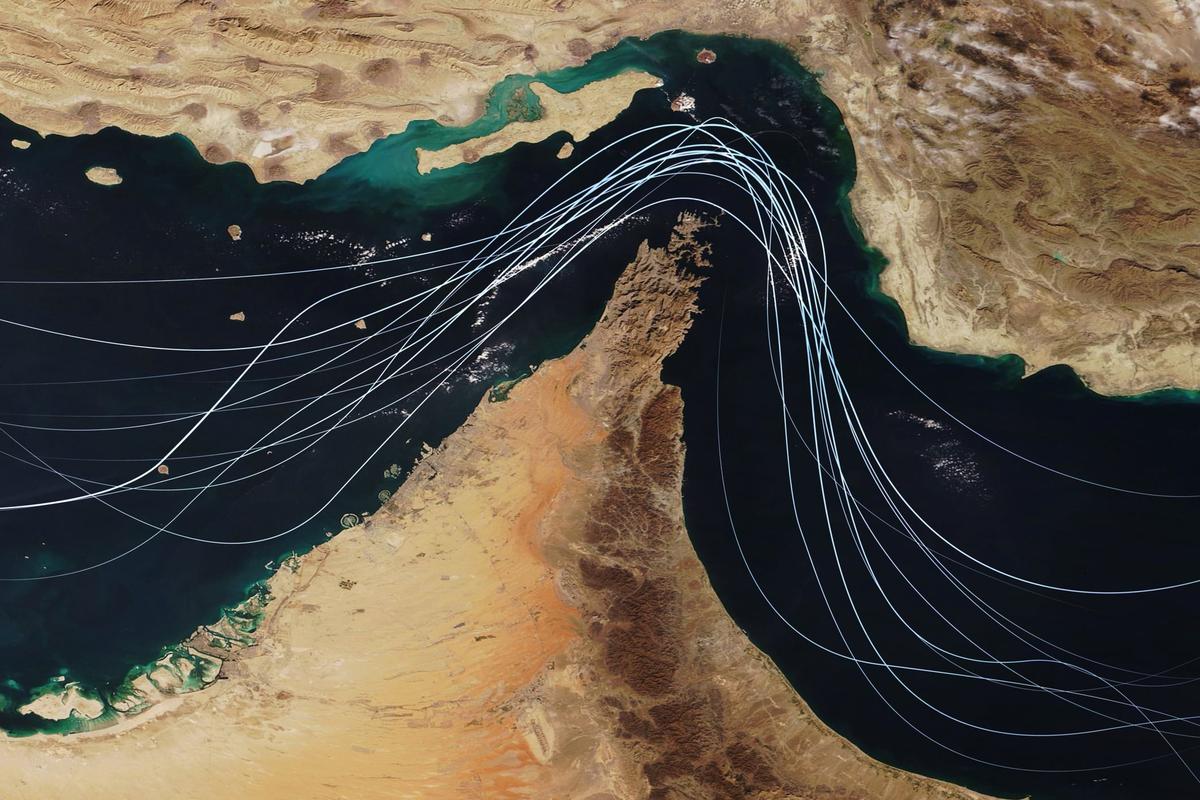
The ongoing Middle East conflict has turned the Strait of Hormuz into a chokepoint for energy and fertiliser shipments, two inputs that underpin Asian agriculture. With vessels delayed and insurance costs soaring to double‑digit percentages of hull value, the cost of nitrogen‑based fertilisers has surged 50‑80% across the region. This supply shock arrives just as global grain markets are already tight, amplifying price pressures for staples such as rice and wheat.
Asian producers are responding by re‑evaluating planting calendars and crop choices. In Vietnam, Thailand and Bangladesh, farmers are trimming acreage for rice and shifting toward legumes or oilseeds that demand fewer inputs. Simultaneously, biofuel mandates are prompting a modest diversion of corn and soy to ethanol and biodiesel, further eroding the food‑crop base. The cumulative effect is a projected dip in the 2027 harvest, with downstream implications for food‑insecure populations throughout South and Southeast Asia.
Policymakers and international financiers face a narrow window to mitigate the fallout. Targeted subsidies for fertiliser access, temporary suspension of biofuel quotas, and rapid credit lines for smallholders could preserve planting windows that have already closed for the current season. Without such interventions, the input‑price shock may translate into higher global food prices, feeding inflationary pressures in both emerging and developed economies. The situation underscores how geopolitical turbulence in one region can reverberate through global supply chains, reshaping agricultural outlooks for years to come.
High costs, weak markets: Middle East conflict will have long-term impact on Asia’s food supply
Comments
Want to join the conversation?
Loading comments...