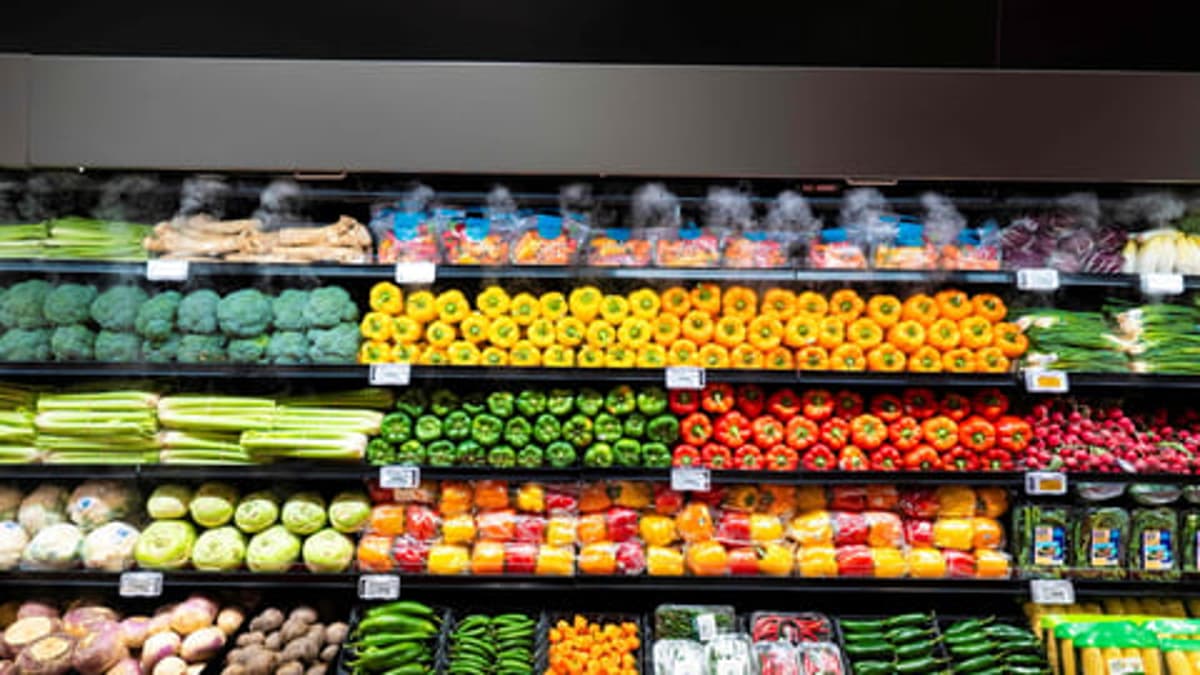
High Fuel Prices Driving up Shipping Costs for Northern Grocers
Why It Matters
The spike exposes the fragility of remote supply chains and threatens food affordability in Canada’s north, where higher costs quickly erode household budgets and strain subsidy programs.
Key Takeaways
- •Air freight accounts for majority of perishable food shipments north
- •Jet fuel prices have roughly doubled, adding 20‑50¢/lb surcharge
- •Milk jug cost up $2‑5 CAD (~$1.5‑$3.7 USD) per unit
- •Nunavut food basket $198.75 CAD vs Ottawa $132.44 CAD
- •Nutrition North subsidy insufficient to offset rising freight costs
Pulse Analysis
The northern Canadian grocery market has long depended on air freight to move fresh produce, dairy and other low‑weight items from southern hubs such as Ottawa and Winnipeg. With jet fuel prices essentially doubling after the Strait of Hormuz disruptions, carriers are imposing fuel surcharges of 20‑50 cents per pound—roughly $0.15‑$0.37 USD. For a typical four‑litre milk jug, that adds $2‑5 CAD ($1.5‑$3.7 USD) to the retail price, widening the cost gap between remote communities and the south.
These logistics pressures compound an already volatile food‑inflation environment. A Nunavut‑wide basket of 24 staple items now costs $198.75 CAD, compared with $132.44 CAD in Ottawa, underscoring the premium paid for distance and limited transport options. While the North West Co. has resisted passing on the surcharge for essentials like milk and bread, non‑essential categories such as snacks and beverages are already seeing price hikes. The federal Nutrition North subsidy, designed to offset northern food costs, is losing its purchasing power as freight expenses outpace the program’s adjustments.
Looking ahead, the sustainability of northern food supply chains will hinge on both market and policy responses. Operators may explore greater reliance on maritime routes during the summer months, when bunker fuel—though also rising—remains cheaper than air freight. Meanwhile, provincial governments could renegotiate fuel procurement cycles or expand subsidy formulas to reflect real‑time freight costs. Without such interventions, the cumulative effect of higher transportation expenses could deepen food insecurity and strain the economic viability of community‑owned co‑ops across the Arctic.
High fuel prices driving up shipping costs for northern grocers
Comments
Want to join the conversation?
Loading comments...