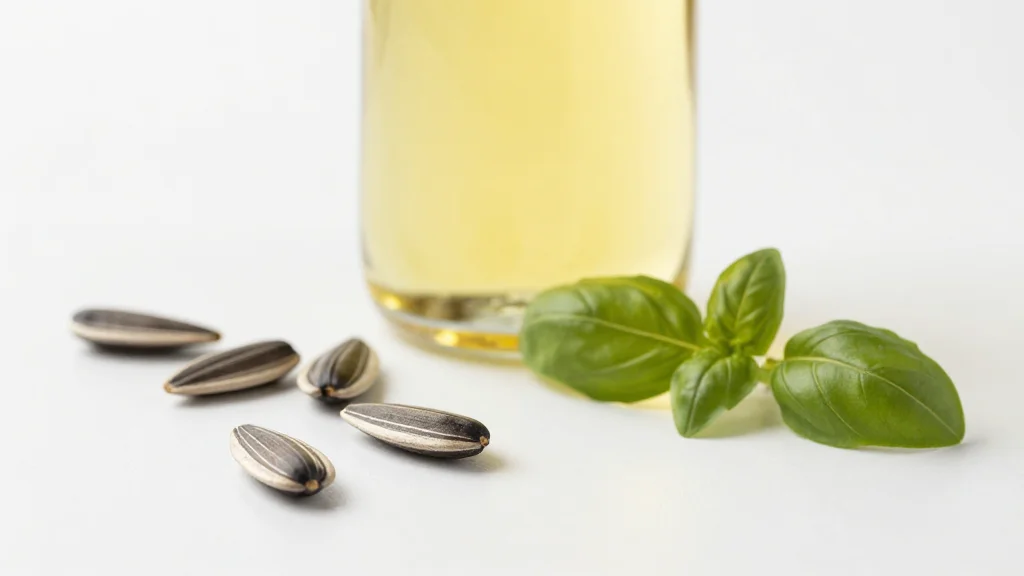
High Oleic Sunflower Oil Supports Food Formulations that Are Both Adventurous and Eco-Conscious
Why It Matters
The oil enables brands to create adventurous, low‑waste foods while meeting clean‑label expectations, delivering cost savings and a sustainability edge in a competitive market.
Key Takeaways
- •High‑oleic sunflower oil extends shelf life without artificial preservatives
- •Neutral flavor lets bold ingredients dominate in adventurous products
- •U.S. grown oil uses less water, curbing soil erosion
- •Non‑GMO, Kosher, Halal status supports clean‑label positioning
- •Extended shelf life helps families avoid $1,500 annual food waste
Pulse Analysis
Consumers now judge flavor by texture, aroma and visual appeal, turning meals into immersive experiences. At the same time, heightened eco‑consciousness drives demand for transparent, waste‑reducing ingredients. High‑oleic sunflower oil meets both trends: its neutral palate preserves the integrity of daring flavor combos while its oxidative stability prolongs freshness, reducing the need for synthetic preservatives. This dual benefit aligns with the growing segment of shoppers willing to experiment with globally inspired foods yet expecting sustainability from the brands they trust.
From a formulation standpoint, the oil’s high oleic acid content delivers healthier unsaturated fats and a stable, low‑odor base that blends seamlessly with other oils and solid fats. Its non‑GMO status, coupled with Kosher and Halal certifications, simplifies clean‑label claims and appeals to diverse dietary preferences. Moreover, the oil’s allergen‑friendly profile supports low‑allergen product positioning, a valuable differentiator in plant‑based, gluten‑free and vegan categories. The extended shelf life not only preserves quality but also curtails food waste across the supply chain, directly addressing the USDA’s estimate that a typical family loses $1,500 annually to uneaten food.
For manufacturers, adopting U.S.-grown high‑oleic sunflower oil translates into tangible business advantages. Longer product shelf life reduces inventory turnover costs and minimizes waste‑related expenses, bolstering profit margins. The oil’s sustainable agronomy—requiring less water and mitigating soil erosion—enhances corporate ESG narratives, resonating with investors and consumers alike. Combined with clean‑label credentials, the ingredient empowers brands to differentiate in crowded categories, capture premium pricing, and meet regulatory expectations, positioning them for growth in an increasingly conscious marketplace.
High oleic sunflower oil supports food formulations that are both adventurous and eco-conscious
Comments
Want to join the conversation?
Loading comments...