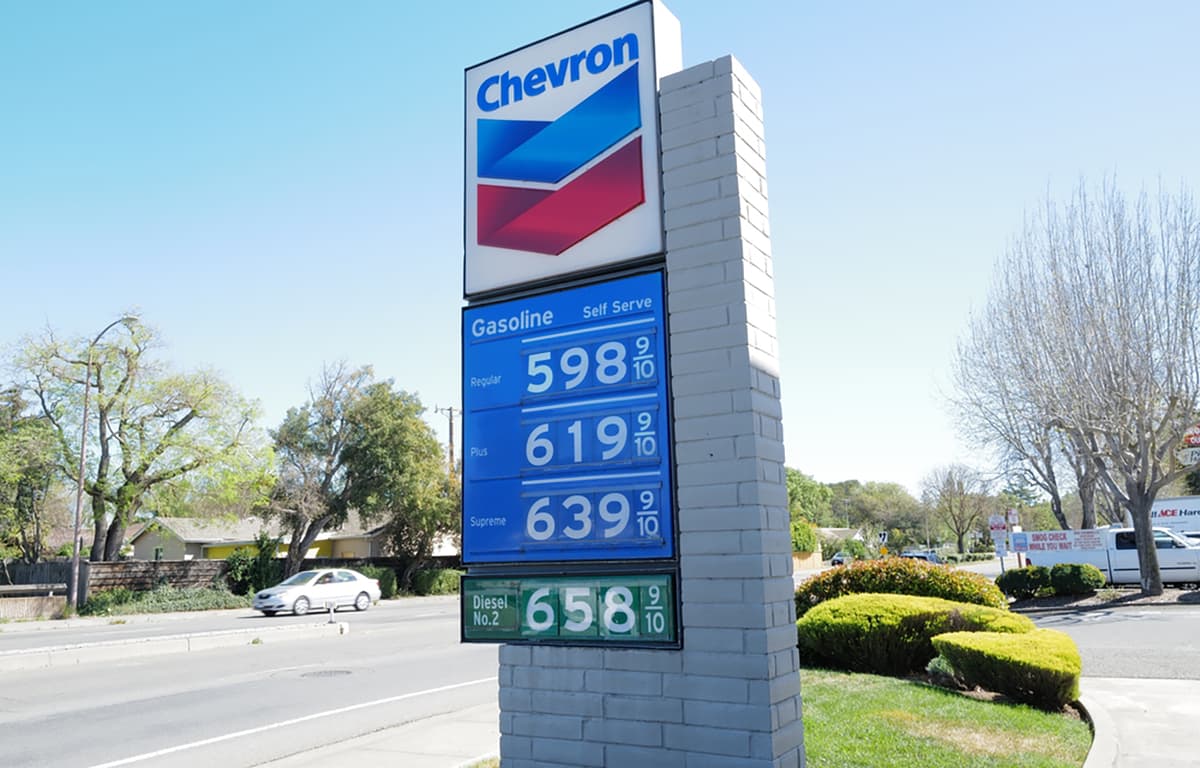
Higher Gas Prices Starting to Impact Spending, Foot Traffic at US Restaurants
Why It Matters
Higher fuel costs shrink discretionary spending, directly reducing restaurant traffic and check averages, threatening profitability in an already strained sector.
Key Takeaways
- •Gas at $4.16/gal triggers 2‑3% restaurant traffic decline.
- •Family and casual dining lose customers; fast‑casual gains modestly.
- •Upscale restaurants stay insulated from fuel‑price shocks.
- •Over 40% of operators were unprofitable last year.
- •Value deals become critical as consumers trim discretionary spend.
Pulse Analysis
Rising gasoline prices have become a macro‑economic drag on U.S. consumer behavior. At $4.16 per gallon, fuel costs now consume a larger slice of household budgets, forcing shoppers to prioritize essential expenses. Historical data from Black Box Intelligence indicates that once prices cross the $3.50‑$3.80 threshold, restaurant foot traffic contracts by roughly 2½‑3 percent, a pattern that mirrors earlier spikes in 2022 and 2023. This pressure compounds existing challenges such as labor shortages, food‑price inflation, and tighter credit conditions.
The impact is uneven across dining formats. Family‑style and casual‑dining chains, which rely on larger party sizes and higher average checks, are seeing the steepest declines as consumers consolidate trips and seek cheaper alternatives. Fast‑casual operators, however, benefit from a shift toward value meals, capturing price‑sensitive diners without sacrificing volume. Upscale venues, catering to higher‑income patrons, remain relatively insulated, but they cannot rely on this shield indefinitely if fuel costs stay elevated. Restaurants are therefore doubling down on promotions, combo offers, and menu engineering to preserve traffic while protecting margins.
Beyond eateries, the ripple effect extends to the broader food ecosystem. Grocery shoppers are also trimming in‑store visits, with over half consolidating trips or shopping less frequently, according to Snipp data. For restaurant operators, this underscores the urgency of operational efficiency—optimizing labor scheduling, reducing waste, and leveraging technology to lower overhead. While the National Restaurant Association still projects modest growth, sustained high gasoline prices could test the sector’s resilience, making strategic pricing and value communication essential for survival.
Higher gas prices starting to impact spending, foot traffic at US restaurants
Comments
Want to join the conversation?
Loading comments...