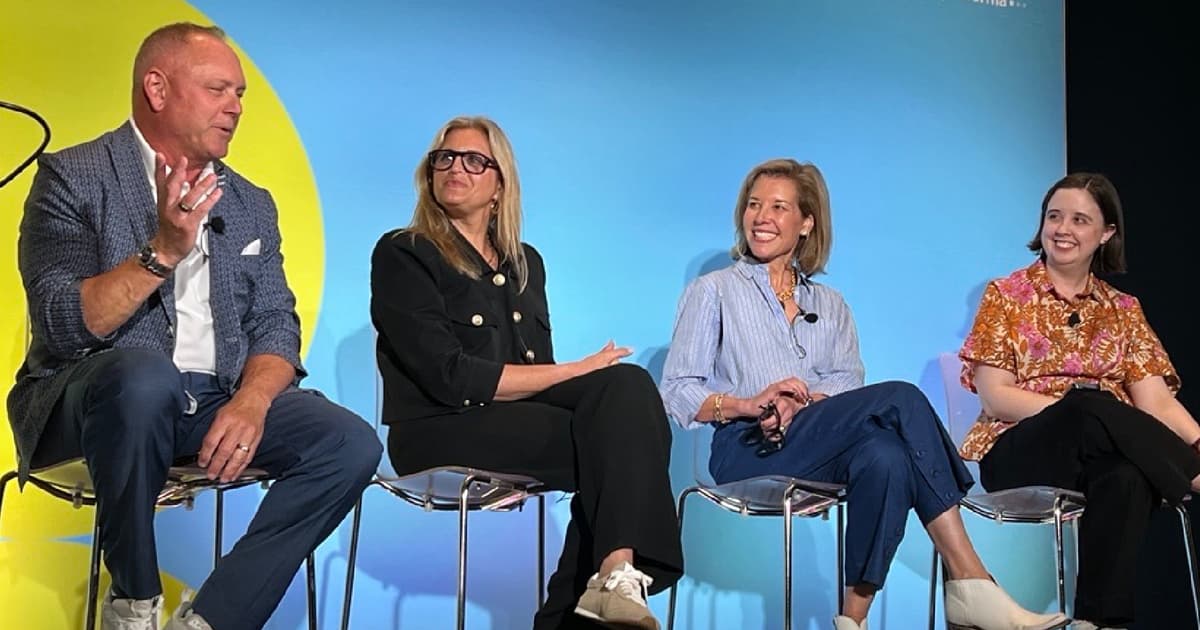
How 3 CEOs of 2 Brands Have Thrived Through Challenges
Companies Mentioned

Why It Matters
The moves illustrate how adaptable business models and strategic partnerships can revive stalled restaurant brands, signaling a shift toward flexible, location‑agnostic growth in the fast‑casual sector.
Key Takeaways
- •Wahlburgers closed 79 Hy‑Vee locations, refocused on 50-unit core.
- •New growth models include Home Depot food trailers, targeting 40 sites.
- •The Granola Bar launches Manhattan flagship, serving 3,000 office workers.
- •Co‑CEOs leveraged non‑restaurant backgrounds to create all‑day brunch concept.
- •Strategy and partnership drive resilience amid shifting consumer traffic.
Pulse Analysis
The restaurant industry is increasingly rewarding operators who treat growth as a traffic‑generation problem rather than a pure expansion metric. Randy Sharpe’s decision to shutter 79 underperforming Hy‑Vee locations allowed Wahlburgers to concentrate resources on a leaner, 50‑unit portfolio and to experiment with three distinct service models. By sharpening the menu and aligning each format with the appropriate footprint, the brand restored profitability and set the stage for innovative distribution channels, such as licensed food trailers positioned at high‑traffic Home Depot stores.
Non‑traditional concepts are gaining traction as brands seek to embed themselves in consumers’ daily routines. The Granola Bar, founded by two former stay‑at‑home moms with backgrounds in music and finance, is leveraging a mixed‑use Manhattan office building to launch a flagship that combines full‑service brunch with a separate take‑out line, sharing a kitchen to maximize efficiency. Simultaneously, Wahlburgers’ partnership with Bass Pro Shops to operate a full‑service outlet inside the Big Cypress Lodge demonstrates how restaurant operators can diversify revenue streams by entering hospitality venues beyond the typical mall or street‑front setting.
These case studies underscore a broader industry trend: resilience now hinges on strategic agility, data‑driven site selection, and collaborative partnerships. CEOs who can pivot quickly, re‑evaluate menu offerings, and explore unconventional locations are better positioned to capture shifting consumer traffic. As the fast‑casual market matures, investors and franchisors will likely prioritize brands that demonstrate a willingness to redefine growth beyond brick‑and‑mortar count, favoring models that blend traditional dining with experiential and retail‑adjacent formats.
How 3 CEOs of 2 brands have thrived through challenges
Comments
Want to join the conversation?
Loading comments...