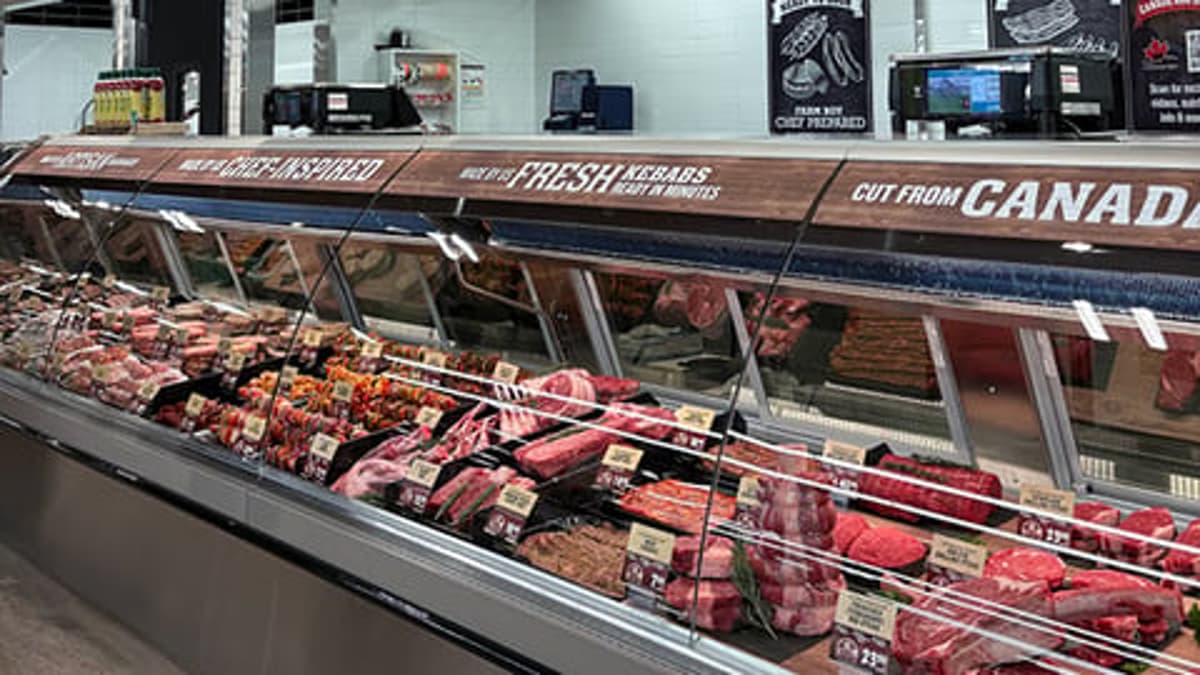
How Marketing Can Help Keep Meat Sales Moving
Why It Matters
Escalating meat prices risk turning a staple into a discretionary purchase; targeted marketing can preserve sales volume and protect retailer margins in a price‑sensitive market.
Key Takeaways
- •2026 meat sales forecast up 5‑7%, highest category growth
- •Beef prices jumped 19% in Q1 2025, driving overall inflation
- •Square packaging and usage‑focused labels boost perceived value
- •Educating shoppers on bulk freezing and unfamiliar cuts drives volume
Pulse Analysis
Rising meat prices are reshaping the grocery landscape across North America. A 7.2% year‑over‑year increase in 2025, led by a 19% jump in beef costs during Q1, has pushed meat toward the top of inflationary pressure lists. Consumers facing tighter budgets are scrutinizing every purchase, and even loyal meat eaters pause when they see the sticker price. Analysts predict that despite these headwinds, the meat category will still post the strongest growth of any grocery segment in 2026, driven by cultural preferences and protein‑centric diets.
Retail marketers are responding with tactics that shift the conversation from cost to value. Innovative square packaging for ground beef creates a perception of longer freshness, while clear, recipe‑oriented labels—such as President’s Choice’s Boneless Stewing Beef with a stew image—guide shoppers toward specific uses, reducing perceived risk. Highlighting under‑utilized cuts like tri‑tip educates consumers on new cooking opportunities, expanding the average basket size. Moreover, promoting bulk purchases paired with detailed thawing and portion‑control guidance taps into the growing trend of home‑freezing, allowing shoppers to lock in lower per‑pound prices while feeling supported.
For grocers, the imperative is clear: blend price transparency with educational content to maintain loyalty. Investing in in‑store signage, digital recipe platforms, and QR‑linked cooking videos can deepen engagement and justify premium pricing. As inflation pressures persist, retailers that successfully communicate value and convenience will not only protect current sales but also position themselves for incremental growth when consumer confidence rebounds. The next wave of meat marketing will hinge on data‑driven insights that align product presentation with the evolving needs of budget‑conscious, yet meat‑loving, shoppers.
How marketing can help keep meat sales moving
Comments
Want to join the conversation?
Loading comments...