How Mondelēz Is Using UK Innovation and Partnerships to Drive Its ESG Strategy
Companies Mentioned
Why It Matters
The initiative demonstrates how large food manufacturers can leverage academic partnerships and technology to accelerate measurable sustainability outcomes, setting a benchmark for the broader consumer‑goods sector.
Key Takeaways
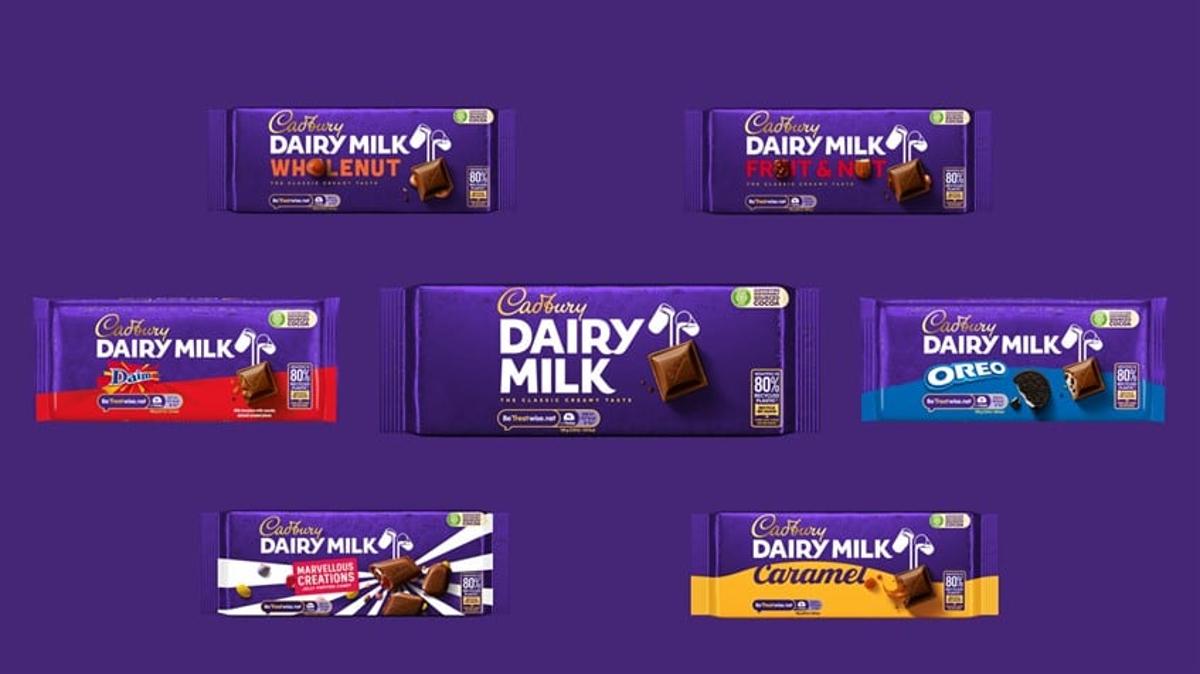
- •Cadbury Dairy Milk bars now use 80% recycled plastic packaging.
- •Queen’s University partnership measures on‑farm emissions for precision sustainability.
- •Flexible Plastic Fund targets UK flexible‑plastic recycling by 2027.
- •Tesco collaboration removed 78,000 miles, eliminating ~900 lorry journeys.
- •Cambridge Centre partnership turns climate data into actionable supply‑chain insights.
Pulse Analysis
Mondeléz International is using its UK and Ireland operations as a testing ground for a broader ESG agenda, recognizing that regional innovation can scale globally. The 2025 "Snacking Made Right" report underscores a shift from vague sustainability pledges to concrete, science‑backed projects. By aligning with Queen’s University Belfast, the company taps into cutting‑edge on‑farm technology that quantifies greenhouse‑gas emissions, enabling farmers to adopt the most cost‑effective mitigation tactics. This data‑driven approach mirrors a growing trend among multinational food firms to embed precision agriculture into their carbon‑reduction roadmaps.
Academic collaborations extend beyond agriculture. Mondeléz’s work with the University of Cambridge’s Centre for Risk Analysis and Resilience translates complex climate models into clear, actionable insights for supply‑chain managers. In practice, this means better anticipation of weather‑related disruptions, political volatility, and regulatory changes—factors that increasingly affect commodity sourcing and logistics. The partnership with Tesco illustrates the tangible logistics benefits: cutting 78,000 miles of road travel and removing roughly 900 lorry trips not only reduces emissions but also lowers transportation costs, reinforcing the business case for sustainability.
Consumer expectations are evolving, and packaging remains a focal point. The shift to 80% recycled‑plastic wraps for Cadbury Dairy Milk bars signals Mondeléz’s commitment to circular economy principles, while the Flexible Plastic Fund aims to close the recycling gap for flexible plastics by 2027. These moves position the company ahead of forthcoming EU and UK regulations on plastic waste. For competitors, Mondeléz’s integrated model—combining research, partnership, and measurable outcomes—offers a replicable blueprint for embedding ESG into core operations and delivering shareholder value.
How Mondelēz is using UK innovation and partnerships to drive its ESG strategy
Comments
Want to join the conversation?
Loading comments...