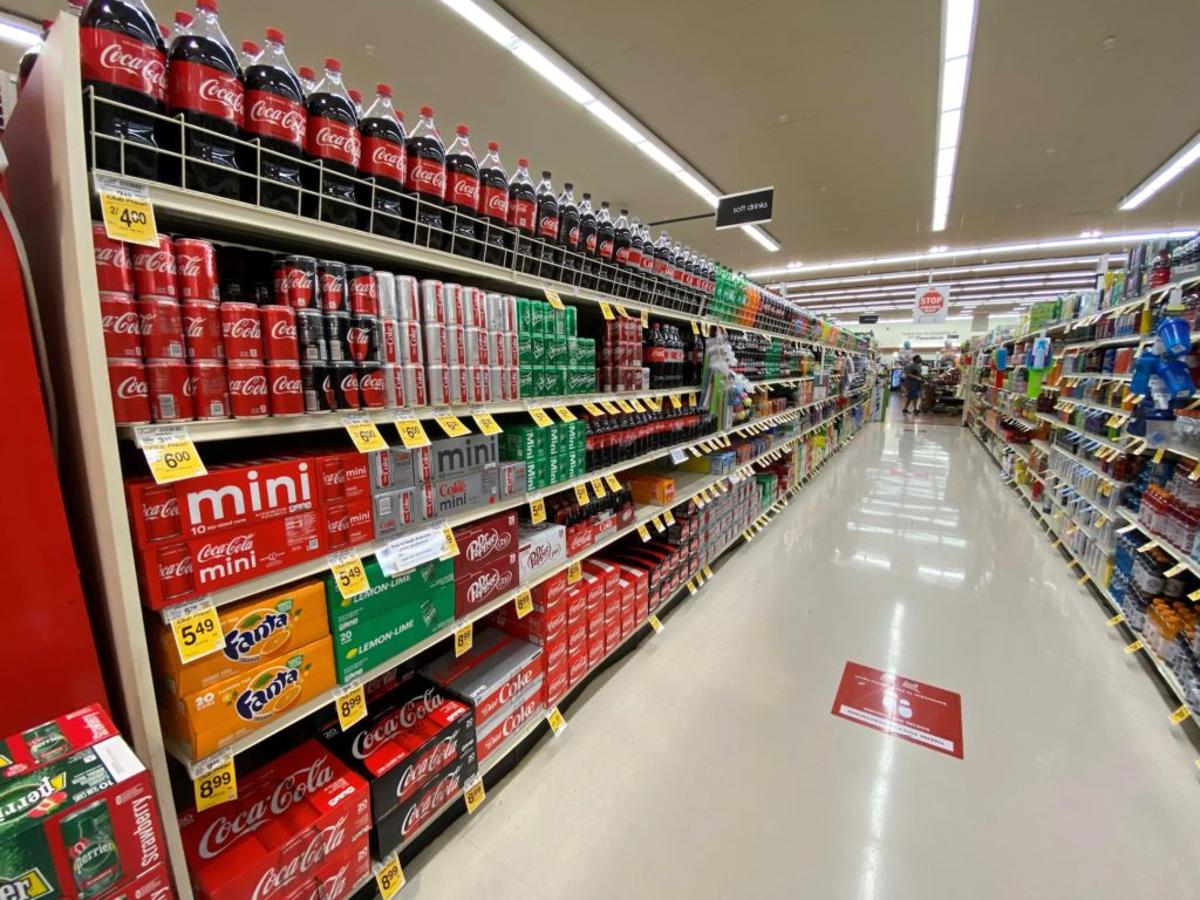
How New SNAP Restrictions on Sugary Foods and Drinks Are Affecting Texas Residents
Why It Matters
The restrictions reshape how millions of SNAP participants obtain nutrition, influencing public‑health outcomes and the bottom line for convenience stores that serve low‑income neighborhoods.
Key Takeaways
- •Texas SNAP ban prohibits soda and candy purchases with benefits
- •Average Texas SNAP recipient receives only $6 per day
- •Food pantries report increased confusion and checkout declines for families
- •Convenience stores face up to $1 billion compliance costs nationwide
- •Health experts predict reduced sugar intake but limited impact on low‑income diets
Pulse Analysis
The latest wave of SNAP reform, spearheaded by Texas, reflects a growing national push to curb sugar consumption among assistance recipients. By redefining eligible items to exclude sodas, energy drinks, and a broad category of candy, policymakers aim to lower the prevalence of diet‑related chronic diseases that cost the U.S. health‑care system an estimated $586 billion annually. While the health rationale aligns with the Make America Healthy Again agenda, the policy’s rollout has exposed gaps in consumer education and retailer readiness, prompting confusion at checkout lines and prompting families to scramble for cash alternatives.
For low‑income households, the ban arrives at a time when SNAP benefits average just $6 per day in Texas, barely covering basic nutrition. Many families rely on convenience stores for quick, calorie‑dense options, and the new rules limit their ability to purchase familiar, affordable items like soda or candy‑coated snacks. Interviews with pantry director Sara Kenefake and former recipient Britanny Quick illustrate how the restrictions can create embarrassing checkout experiences and force families to make last‑minute adjustments for special occasions. Moreover, the lack of clear, itemized guidance leaves shoppers uncertain about what qualifies, potentially leading to wasted trips and increased food insecurity.
Small retailers are confronting a steep compliance curve. The National Grocers Association estimates that nationwide, convenience stores could incur up to $1 billion in costs to re‑label products, adjust point‑of‑sale systems, and train staff. While nutritionists such as Stacie Ellis anticipate long‑term health gains, the immediate economic strain on local businesses could translate into higher prices or reduced product variety for the very consumers the policy intends to protect. As 22 states adopt similar bans, the balance between public‑health objectives and the practical realities of food access will shape the next chapter of SNAP’s evolution.
How new SNAP restrictions on sugary foods and drinks are affecting Texas residents
Comments
Want to join the conversation?
Loading comments...