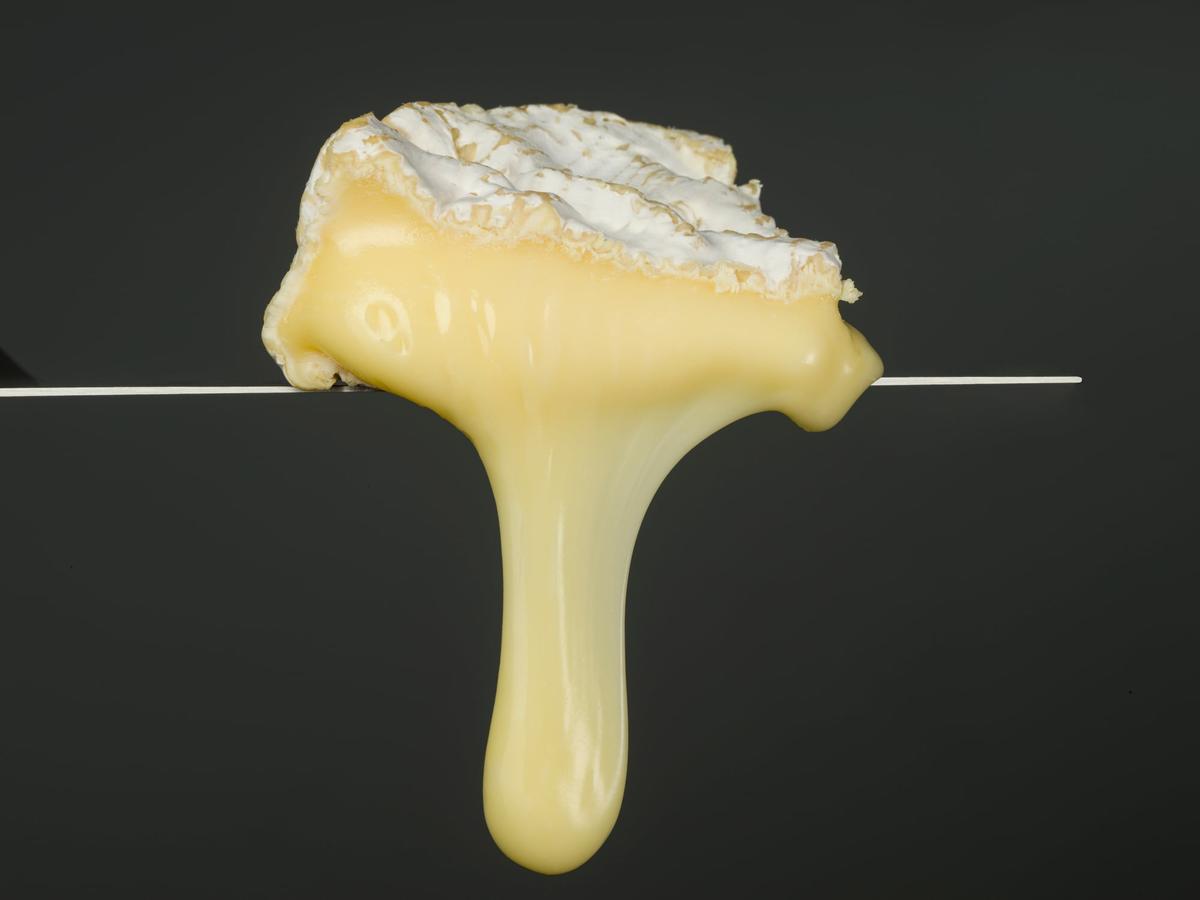
How Texture Is Elevating Dairy and Alt Dairy
Companies Mentioned
Why It Matters
Texture differentiates products in crowded dairy and alt‑dairy markets, enabling brands to command premium margins and capture consumer excitement. It also reduces reliance on additives, aligning with clean‑label trends.
Key Takeaways
- •Texture drives premium pricing in dairy and plant‑based categories.
- •Cottage‑cheese challengers use denser, creamier texture to out‑sell private labels.
- •Häagen‑Dazs adds thicker chocolate coating with nuts for crunch appeal.
- •Rude Health’s barista range achieves foaming using only kitchen‑cupboard ingredients.
- •Miyoko’s oat‑milk shreds mimic cheese‑pull, proving melt performance in alt‑dairy.
Pulse Analysis
The dairy landscape, long dominated by price wars, is now being reshaped by sensory differentiation, with texture taking center stage. A smooth, creamy mouthfeel signals indulgence and quality, allowing manufacturers to move beyond commodity pricing and target the premium segment. Consumers readily associate a velvety or “ooey‑gooey” feel with higher value, which translates into willingness to pay more. This shift aligns with broader consumer trends that prioritize experience over sheer volume, making texture a powerful tool for brands seeking growth in a saturated market.
Brands are translating the texture premium into tangible product lines. Alec’s Ice Cream introduced a chocolate shell that forces a tactile “break‑through” moment, turning a simple snack into an interactive experience. In the UK, Alterego and All Things Dairy have launched cottage‑cheese varieties with denser, creamier textures that outperform private‑label options in both snacking and cooking applications. President’s Whipped Cream Cheese offers an airy spread that expands usage occasions, while Häagen‑Dazs reinforces its stick bars with a thicker, nut‑laden chocolate coating for added crunch. On the plant‑based side, Rude Health’s barista range delivers foaming and mouthfeel using only pantry staples, and Miyoko’s oat‑milk shreds achieve a true cheese‑pull, proving that melt performance is no longer exclusive to dairy.
The ripple effect is clear: texture‑driven innovation is unlocking premium pricing, boosting shelf‑share, and meeting clean‑label expectations. As additive reduction becomes a regulatory and consumer priority, formulators are investing in novel processing techniques and ingredient blends to replicate dairy’s sensory profile without compromising label claims. Companies that master this balance can differentiate in both traditional and alternative dairy categories, capture higher margins, and set new standards for product development. Expect continued R&D focus on mouthfeel, from aeration to controlled crystallization, as the next growth frontier.
How texture is elevating dairy and alt dairy
Comments
Want to join the conversation?
Loading comments...