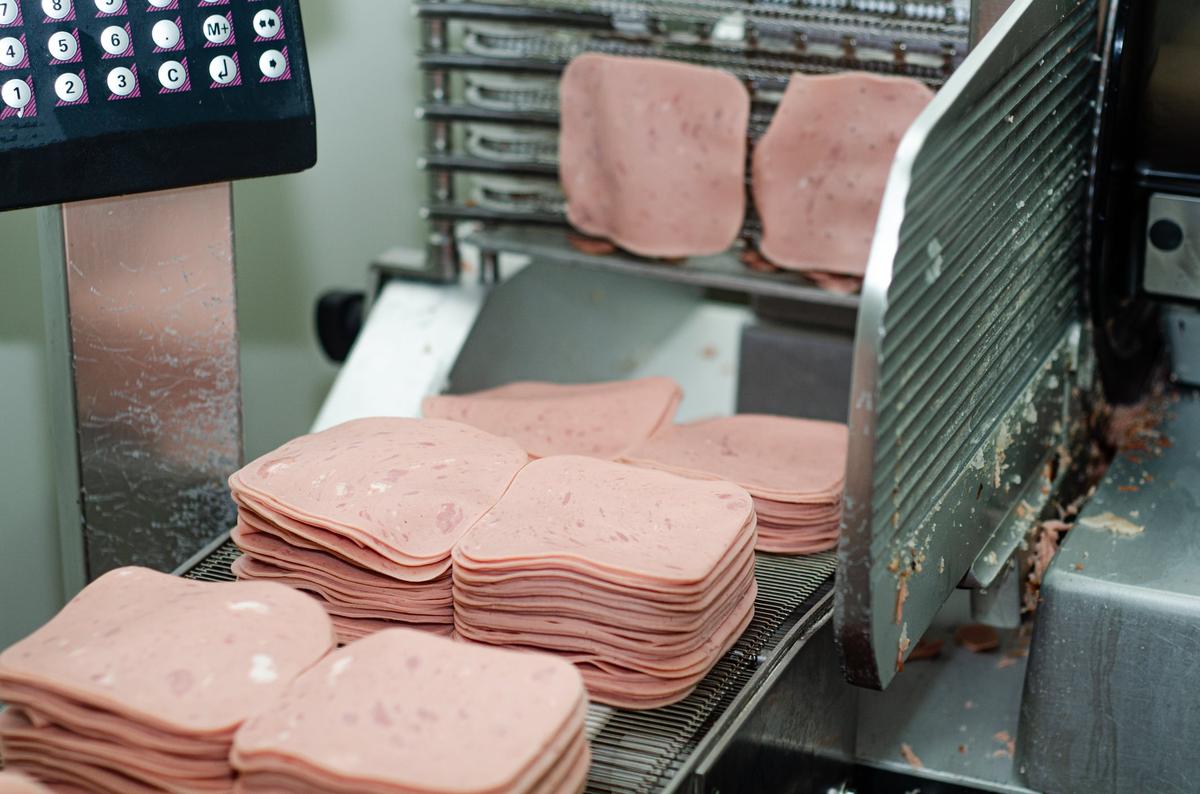
How the Future of Cutting and Slicing Will Take Shape
Why It Matters
Enhanced slicing technology directly lifts margins by cutting waste, labor and downtime, while AI‑enabled line control promises scalable productivity gains across the food manufacturing industry.
Key Takeaways
- •Weber slicers reach 2,000 cuts per minute, boosting throughput
- •GEA’s integrated AC tech offers predictive maintenance and standardized UI
- •AI and live data are driving line‑wide efficiency and yield improvements
- •Hygiene‑focused designs cut change‑over time and meet strict food‑safety standards
Pulse Analysis
Efficient cutting and slicing remain the backbone of large‑scale food production, where even a fraction of a percent in yield can translate into millions of dollars. Modern machines now employ ultrasonic blades, crust‑freezing techniques, and high‑speed motors that can slice cheese, meat and vegetables at rates exceeding 2,000 cuts per minute. Coupled with IoT connectivity, these systems generate continuous performance data, enabling manufacturers to fine‑tune portion sizes, reduce off‑cuts, and accelerate line speeds without sacrificing product integrity.
Industry leaders such as GEA, Reiser UK and Multivac are pushing the envelope beyond standalone slicers. GEA’s CutMasters integrate AC technology with a unified user interface and predictive maintenance alerts, while Reiser’s portfolio spans high‑capacity Holac slicers to versatile Ross loading systems. Multivac emphasizes fully integrated line solutions, linking slicers with automated loaders, thermoforming packagers and centralized control software. Together, these innovations improve hygiene through rapid change‑over designs, lower labor dependency, and deliver consistent visual appeal that influences consumer purchasing decisions.
Looking ahead, artificial intelligence and advanced analytics will redefine the slicing landscape. Real‑time data streams allow AI models to predict yield fluctuations, optimize blade wear, and dynamically adjust cutting parameters across diverse product lines. Although adoption costs and space constraints pose short‑term hurdles, the promise of fully autonomous, self‑optimizing lines offers a compelling ROI by slashing waste, enhancing food safety, and potentially reshaping workforce requirements. Companies that invest early in AI‑ready infrastructure are poised to capture the next wave of efficiency gains and maintain competitive advantage in a tightening market.
How the future of cutting and slicing will take shape
Comments
Want to join the conversation?
Loading comments...