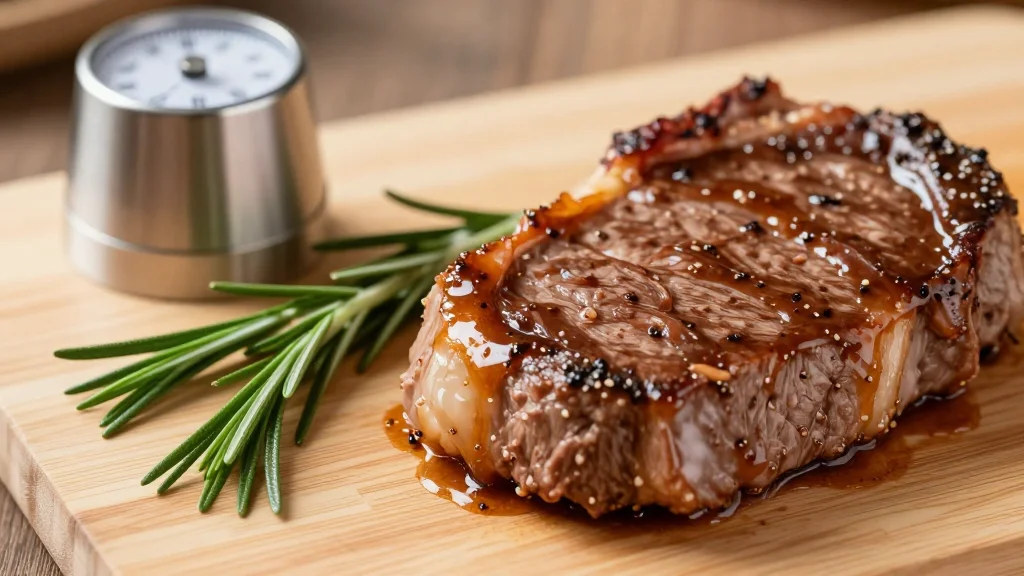
How to View the Meat Case Through the Eyes of the Consumer
Companies Mentioned
Why It Matters
Understanding the multidimensional value drivers enables retailers and brands to optimize assortments, pricing, and shelf design, ultimately increasing meat‑category share and profit margins.
Key Takeaways
- •Convenience‑craving shoppers value time saved over lower price
- •Transparency on antibiotics and humane practices drives purchase decisions
- •Premium meat sales spike on special occasions, 27% pay extra
- •Multi‑tiered case layouts boost share of consumer meat spend
Pulse Analysis
The meat and poultry aisle is undergoing a strategic transformation as retailers shift from a pure price‑per‑pound mindset to a value‑based framework. Amstein’s research shows that today’s consumers evaluate products through a lens that balances convenience, nutrition, and brand trust. A pre‑marinated chicken breast that shaves 30 minutes off a weeknight dinner delivers a tangible benefit that can command a premium, while clean‑label claims such as “No Antibiotics Ever” satisfy the growing demand for transparency. This broader definition of value aligns with the 2022 US Dietary Guidelines, which place renewed emphasis on protein quality, iron, and B12, reinforcing the importance of high‑quality protein options in the grocery basket.
Segmentation data reveals that 17% of shoppers are “Convenience Cravers,” while 94% have moments when they are willing to spend more on meat, and 27% will pay a premium to replace a restaurant meal. These insights compel retailers to move beyond a one‑size‑fits‑all case layout. By categorizing stores based on dominant shopping behaviors, chains can deploy multi‑tiered displays that highlight ready‑to‑cook items in time‑pressed markets and premium cuts in locations where consumers celebrate special occasions. Such precision merchandising not only maximizes shelf productivity but also reduces the risk of wasted spend when a product fails to meet expectations.
For manufacturers, the imperative is clear: invest in clean‑label formulations, transparent sourcing, and consistent quality to build trust. As consumers increasingly equate value with reduced purchase risk, brands that can reliably deliver convenient, nutritious, and ethically sourced meat will capture a larger share of the meat dollar. Looking ahead, the convergence of convenience technology, nutrition science, and sustainability narratives will shape the next wave of innovation in the protein category, making value‑based positioning a competitive necessity rather than a differentiator.
How to view the meat case through the eyes of the consumer
Comments
Want to join the conversation?
Loading comments...