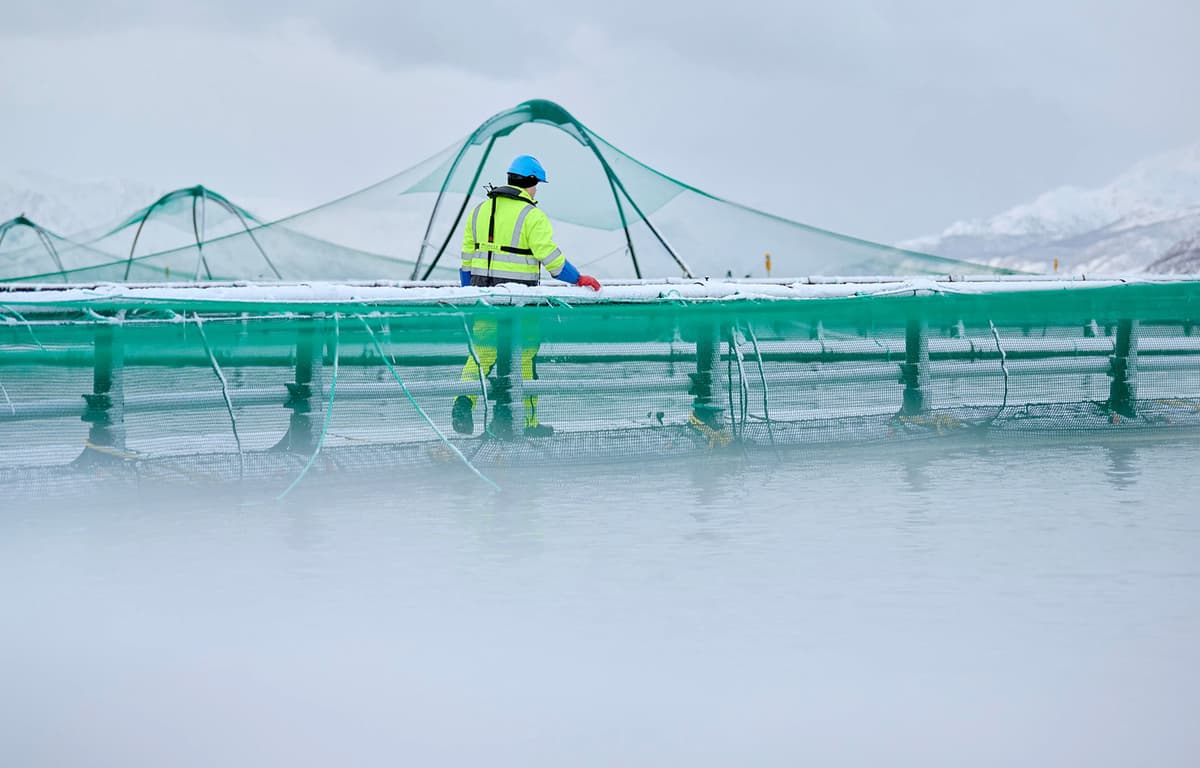
Increased Salmon Volumes for SalMar in Q1; Grieg Warns Biological Challenges Will Cost USD 7 Million
Why It Matters
SalMar’s volume surge reinforces its leadership in Atlantic salmon production, while Grieg’s earnings hit highlights the financial risk of bio‑security events in aquaculture. Both developments signal shifting dynamics for investors and supply chains in the global seafood market.
Key Takeaways
- •SalMar harvested 60,300 GWT salmon in Q1, up 29% YoY
- •Farming Central Norway segment drove most of SalMar's volume increase
- •Grieg's sea‑lice issue cuts 2026 EBIT by up to $7.9 million
- •Mechanical delousing halted after costly Q1 treatment episode
- •SalMar expects total 2026 harvest around 318,000 GWT
Pulse Analysis
SalMar’s robust Q1 performance underscores the firm’s strategic focus on high‑yield regions such as Central Norway, where production jumped from 21,100 GWT to 35,900 GWT. This expansion aligns with the company’s longer‑term guidance of roughly 296,000 GWT from its Norwegian and Ocean farms, plus an additional 43,000 GWT from its Scottish venture. The surge not only bolsters revenue outlook but also strengthens SalMar’s negotiating position with processors and retailers seeking reliable, sustainably sourced salmon.
Grieg Seafood’s earnings revision illustrates how biological challenges can quickly erode profitability in a sector where margins are already thin. Elevated sea‑lice levels in late 2025 forced the firm to deploy mechanical delousing, a costly measure that reduced the proportion of premium‑grade fish to 60% and triggered a $5.3‑$7.9 million EBIT hit for 2026. While the company has discontinued the treatment and expects the issue to be isolated, the episode raises questions about operational resilience and the adequacy of existing bio‑security protocols across the industry.
The divergent outcomes of SalMar and Grieg highlight a broader trend: scale and geographic diversification can cushion firms against localized disease pressures, whereas smaller or less diversified operators remain vulnerable. Investors are likely to scrutinize capital allocation toward advanced monitoring technologies and selective breeding programs that improve fish resilience. Meanwhile, rising consumer demand for traceable, low‑impact seafood may reward companies that can demonstrate consistent quality despite environmental stressors, positioning the sector for continued growth but also heightened scrutiny on sustainability practices.
Increased salmon volumes for SalMar in Q1; Grieg warns biological challenges will cost USD 7 million
Comments
Want to join the conversation?
Loading comments...