Independent Grocers Expand In NYC As Debate Over City-Run Stores Continues
Why It Matters
The new stores demonstrate that independent grocers remain viable investors in underserved NYC neighborhoods, while the city’s municipal‑store plan could reshape competitive dynamics and policy support for local food retailers.
Key Takeaways
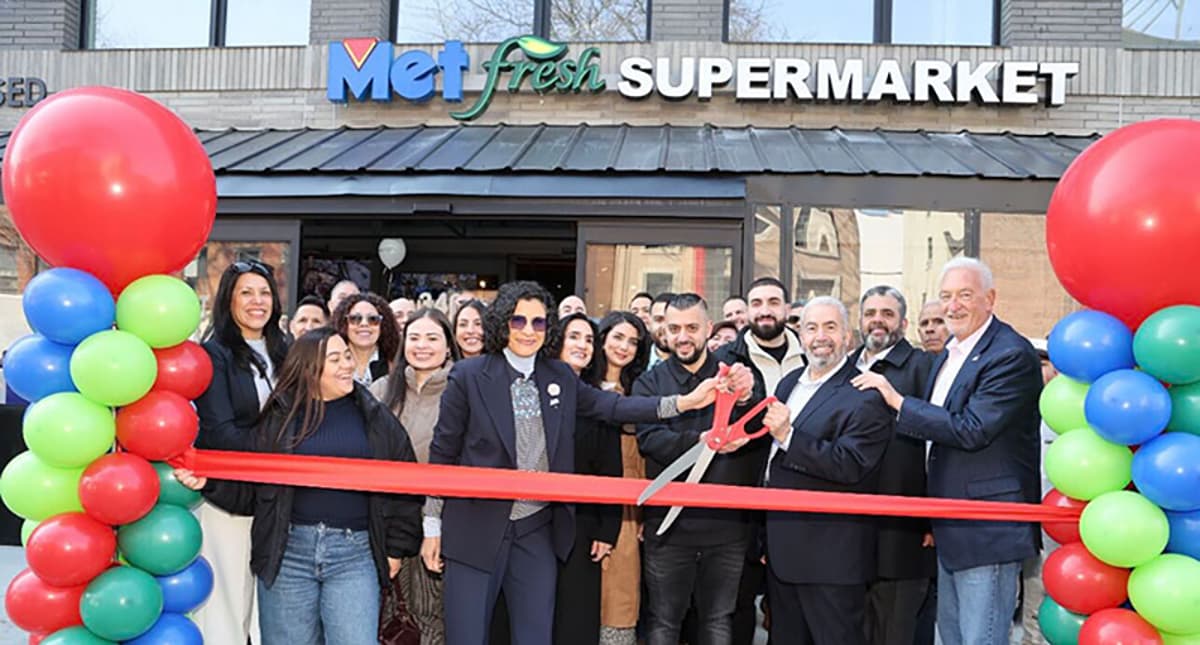
- •Met Fresh opened in Brooklyn’s Fort Greene, first ASG store in borough.
- •Shop Fresh Food launched its fifth Bronx location, targeting Wakefield/Eastchester.
- •Independent grocers cite local hiring, culturally tailored assortments as competitive edge.
- •City’s plan for municipal supermarkets faces pushback from industry advocates.
Pulse Analysis
Independent grocers are quietly reshaping New York City’s food‑access landscape despite rising labor costs, insurance premiums, and squeezed margins. The recent openings of Met Fresh in Brooklyn and Shop Fresh Food in the Bronx illustrate a strategic focus on hyper‑local inventory—fresh produce, culturally specific items, and price points tuned to neighborhood income levels. Operators like Danny Hamdan and Neidy Marte leverage family‑run models to hire locally, fostering community trust and agility that larger chains often lack.
Mayor Eric Adams’ proposal to establish a city‑run supermarket in each borough has ignited a policy clash. Proponents argue municipal stores can guarantee affordable pricing and address food deserts, but industry voices, led by Associated Supermarket Group, warn that public‑sector entrants risk crowding out the very independent retailers that already deliver fresh food to underserved areas. The debate centers on whether government should act as a partner—providing subsidies, streamlined permitting, or shared logistics—or become a direct competitor that could erode thin profit margins for small operators.
Looking ahead, the sustainability of NYC’s food‑access strategy may hinge on a hybrid approach. Supporting independent grocers through tax incentives, low‑interest financing, and flexible zoning can amplify their community impact while preserving market diversity. Simultaneously, any municipal store rollout should prioritize collaboration, perhaps by co‑locating with local vendors or offering shared supply chains. Such policies could lower overall grocery costs, improve nutritional outcomes, and maintain the entrepreneurial spirit that fuels neighborhood revitalization.
Independent Grocers Expand In NYC As Debate Over City-Run Stores Continues
Comments
Want to join the conversation?
Loading comments...