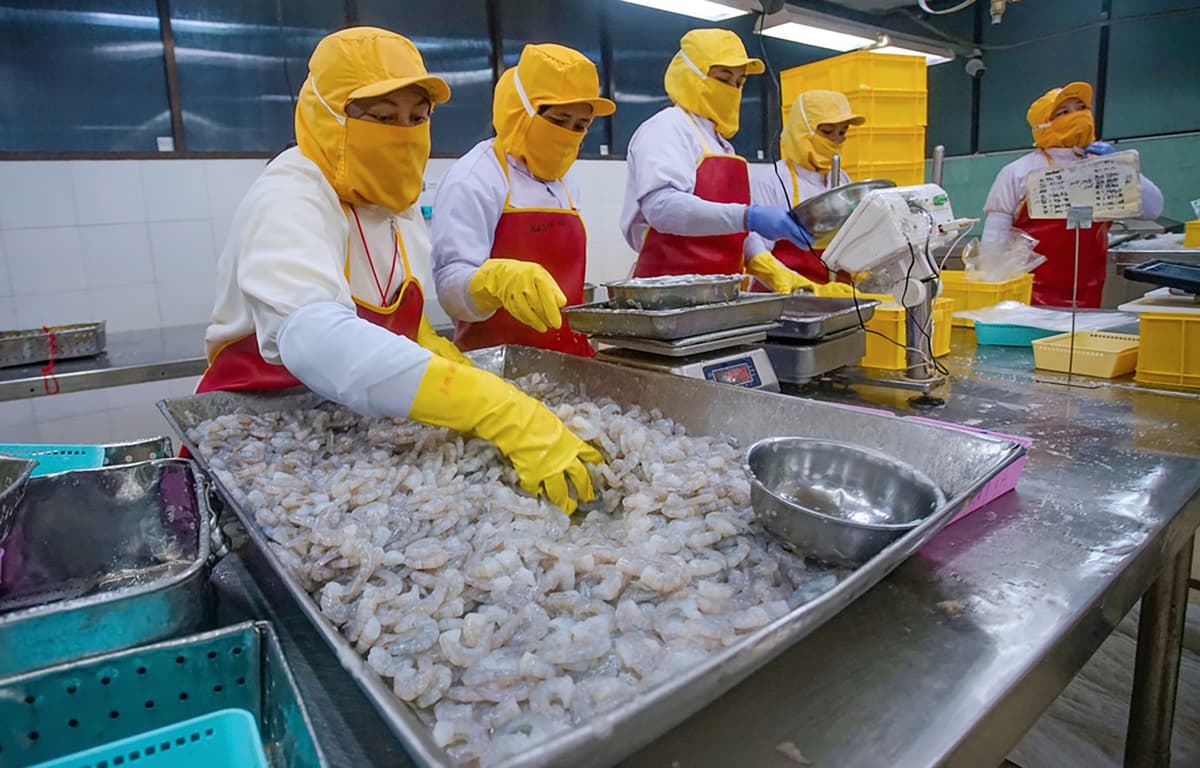
Indonesian Exports to China Rise, Cushioning the Blow of Disrupted Middle East Shipments
Why It Matters
The pivot to China cushions revenue losses from disrupted Middle‑East logistics, preserving Indonesia’s fisheries earnings and reinforcing its strategic trade ties with the world’s largest seafood consumer.
Key Takeaways
- •Seafood exports to China hit $6.27 bn, up 5.2% YoY
- •Middle East shipments delayed due to Iran war, lowering prices
- •Chinese buyers source Indonesian seafood, process in Vietnam before re‑export
- •Tariff‑free ASEAN‑China pact boosts Indonesian fish sales
- •Indonesia seeks more tuna exports to Japan under new EPA
Pulse Analysis
Indonesia’s seafood sector is rapidly rebalancing its export portfolio as geopolitical tensions in the Middle East choke air‑freight routes. The Iran‑Israel war has forced many Middle‑East orders to be postponed or cancelled, nudging exporters toward China, which accounts for a growing share of demand for premium species like grouper, snapper and shrimp. The $6.27 billion value recorded in 2025 reflects a 5.2% year‑over‑year rise, underscoring how resilient demand from Chinese wholesalers can offset regional disruptions.
Beyond direct shipments, a notable supply‑chain evolution is emerging: Chinese firms are increasingly buying Indonesian seafood, sending it to Vietnam for processing, then re‑exporting the finished product to China. This triangulated model leverages Vietnam’s established processing infrastructure while preserving Indonesia’s role as a primary source of raw marine protein. The arrangement is further buoyed by the ASEAN‑China free trade agreement, which eliminates tariffs on most fish products, and by Indonesia’s recent approval of 40 additional processors for the Chinese market, expanding capacity and reducing bottlenecks.
Strategically, the shift highlights Indonesia’s broader ambition to diversify its seafood markets. While the United States remains the largest buyer at $1.99 billion, the country is also courting Japan, which has just granted tariff‑free access for processed tuna and skipjack under a new economic partnership agreement. By strengthening ties with multiple high‑value destinations, Indonesia mitigates the risk of over‑reliance on any single market and positions its fisheries industry for sustainable growth amid a volatile global trade environment.
Indonesian exports to China rise, cushioning the blow of disrupted Middle East shipments
Comments
Want to join the conversation?
Loading comments...