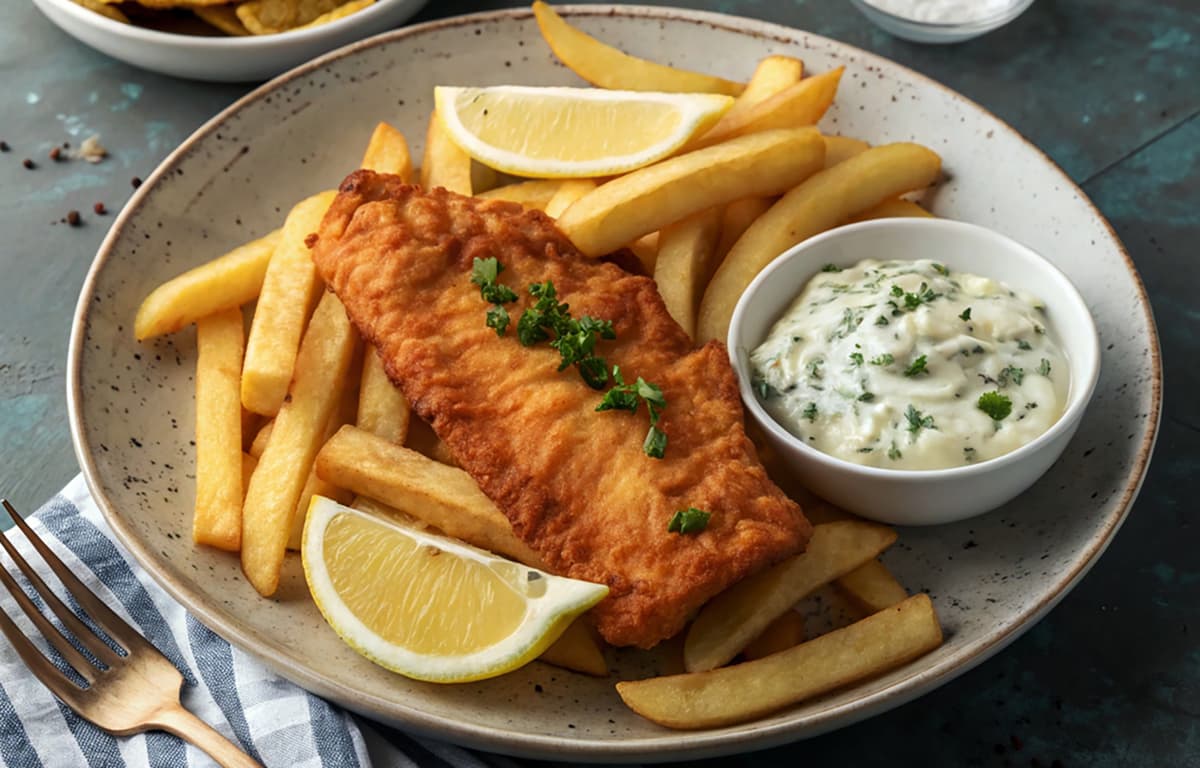
Irish Wholesaler Warns Cod Prices Nearing Limit of What Buyers Are Willing to Pay
Why It Matters
The price spike threatens the profitability of Ireland’s fish‑and‑chip sector and could reshape demand toward cheaper or farmed species, impacting fisheries, supply chains, and consumer spending on seafood.
Key Takeaways
- •Irish cod wholesale price hits €27/kg, a multi‑year high
- •Fuel and transport surcharges drive cod price elasticity limit
- •Restaurateurs consider 15% menu price hikes or alternative species
- •Low‑cost retailers distort expectations with cheap defrosted Baltic cod
- •Substitution to dogfish or pangasius meets consumer resistance
Pulse Analysis
Cod’s price surge in Ireland reflects a perfect storm of supply constraints and cost pressures. Reduced quotas in the North Atlantic have tightened available stocks, while soaring marine fuel costs and unexpected hauler surcharges have inflated wholesale rates. At €26‑27 per kilogram, the price now sits at a level many buyers deem unaffordable, signaling the elasticity point where demand could contract sharply. This dynamic mirrors broader European seafood markets where logistics and energy volatility are reshaping price fundamentals.
For Irish food‑service operators, the ramifications are immediate. Restaurants and fish‑and‑chip takeaways, long reliant on cod and haddock as staple menu items, face a reported 50% cost increase. Many, like Dublin’s Salty Buoy, are planning roughly 15% price hikes to protect margins, while others weigh substituting lower‑cost species. However, consumer loyalty to traditional cod, reinforced by low‑price offerings from discount chains such as Aldi and Lidl, limits appetite for alternatives like dogfish or farmed pangasius. The resulting tension between cost recovery and menu integrity could drive a short‑term dip in seafood consumption.
Looking ahead, sustained high cod prices may accelerate a shift in the European seafood supply chain. Importers might increase volumes of cheaper Baltic cod or explore farmed options, prompting regulatory bodies to reconsider quota allocations and subsidy structures. Meanwhile, fish processors could invest in value‑added products to justify premium pricing. The industry’s response will shape not only profit margins but also the ecological balance of cod fisheries, making price elasticity a critical metric for policymakers and investors alike.
Irish wholesaler warns cod prices nearing limit of what buyers are willing to pay
Comments
Want to join the conversation?
Loading comments...