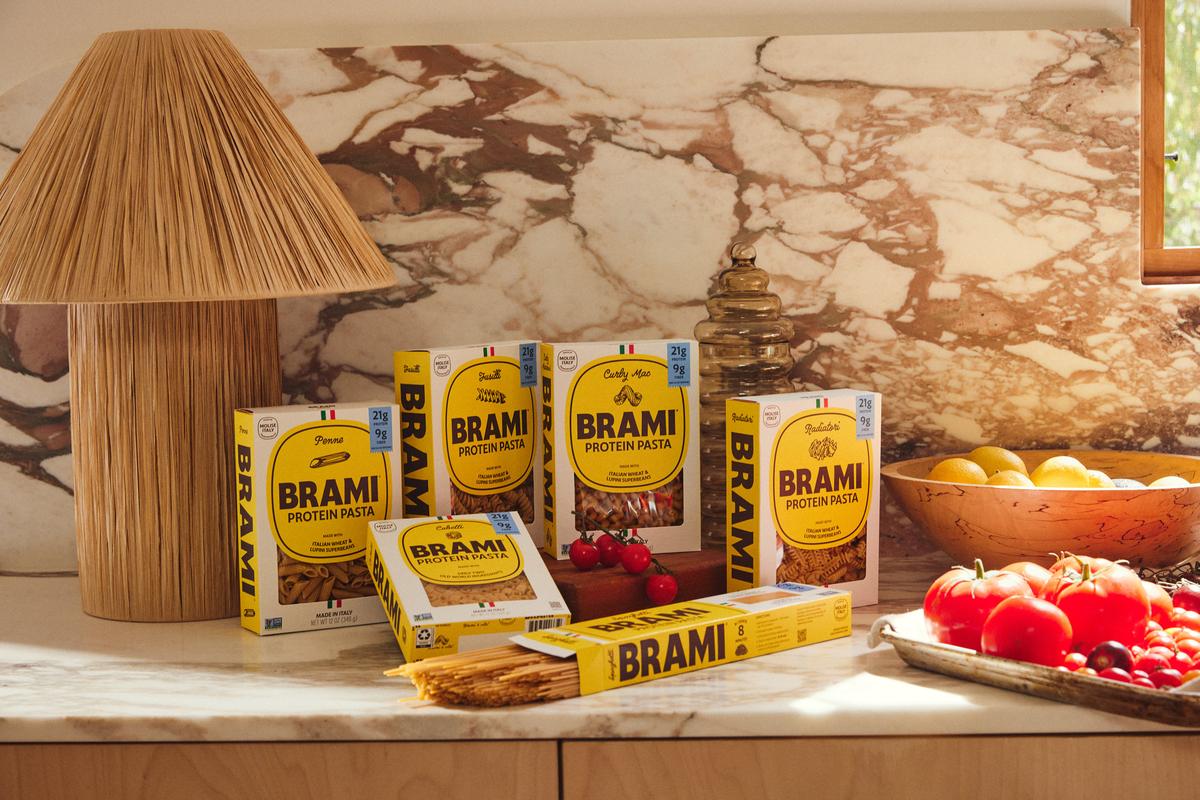
Is High-Protein the New Wave of Pasta?
Why It Matters
The infusion of growth capital fast‑tracks Brami’s penetration of the health‑focused pasta segment, challenging conventional low‑protein options and prompting major retailers to embrace functional staple foods.
Key Takeaways
- •$33M Series B led by VMG Partners.
- •Pasta in 4,000+ US stores, including Walmart and Costco.
- •70% more protein, 25% fewer carbs, triple fiber.
- •Year‑over‑year sales velocity up 58%, outpacing distribution.
- •Lupini bean flour key to high‑protein, low‑carb profile.
Pulse Analysis
The past few years have seen a surge in functional foods that promise more protein and fewer carbs, driven by consumers seeking convenient ways to meet dietary goals. Pasta, a staple in American households, has traditionally been a high‑carb, low‑protein option, leaving a gap that innovators are eager to fill. Brands that can marry authentic taste with a healthier nutritional profile are attracting both retail shelf space and venture capital, as the market for “better‑for‑you” staples expands beyond snack categories. This shift also aligns with broader dietary trends such as low‑carb and high‑protein eating patterns.
Brami, founded in 2016, leverages durum‑wheat semolina and lupini‑bean flour to create a pasta that delivers 70 % more protein, 25 % fewer net carbs and three times the fiber of conventional products. The company’s rapid rollout now reaches over 4,000 U.S. locations, from Walmart and Target to Whole Foods and Costco. A $33 million Series B round led by VM G Partners will fund supply‑chain upgrades, maintain its artisanal manufacturing standards, and accelerate marketing aimed at reshaping American attitudes toward Italian cuisine. The brand’s emphasis on authentic Italian techniques reassures consumers that health improvements do not come at the expense of flavor.
The infusion of growth equity signals confidence that premium, health‑focused pasta can achieve scale without sacrificing quality. As major retailers stock Brami’s offerings, competitors are likely to explore similar protein‑enriched formulations, intensifying innovation in the dry‑goods aisle. For investors, the deal underscores a broader trend: venture capital is moving beyond niche snack brands into staple categories where brand loyalty and repeat purchases drive sustainable revenue. If Brami sustains its 58 % year‑over‑year velocity growth, it could set a new benchmark for functional pasta in the United States. Long‑term, Brami’s model may inspire supply‑chain collaborations that prioritize sustainable sourcing of lupini beans, further differentiating the category.
Is high-protein the new wave of pasta?
Comments
Want to join the conversation?
Loading comments...