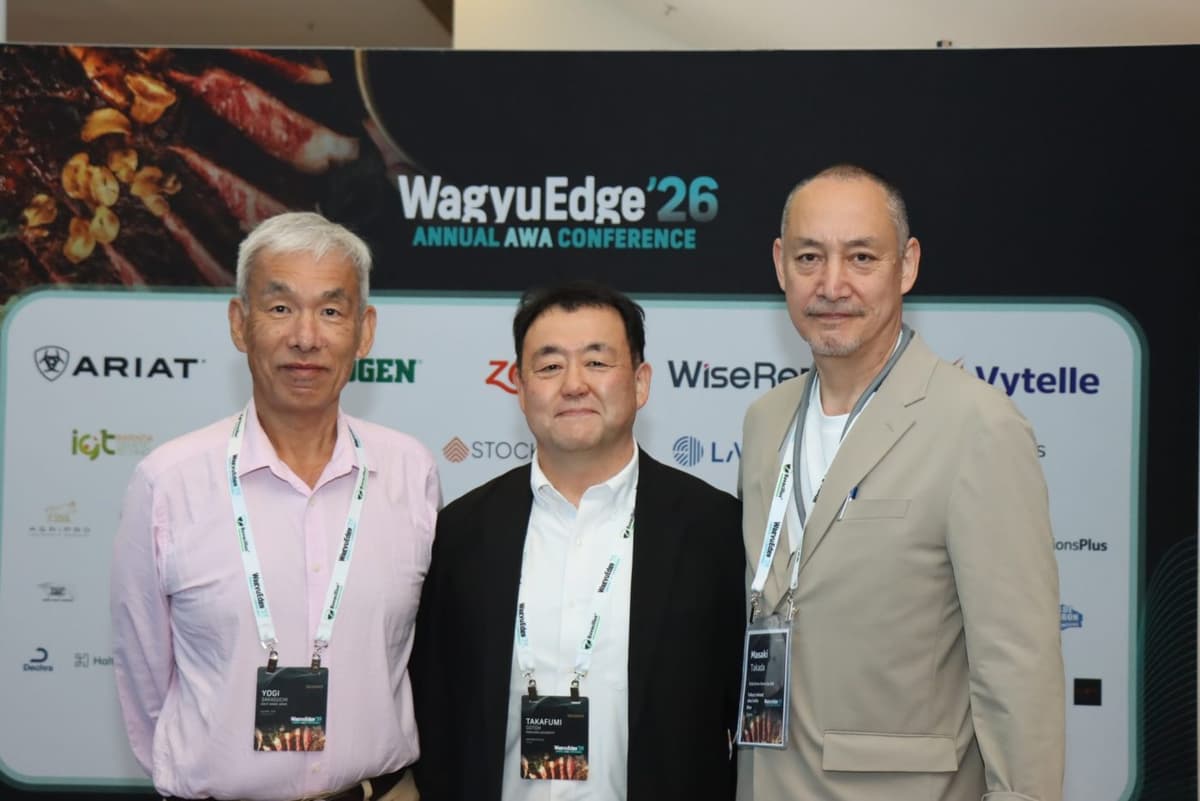
Japan Wagyu Leader Outlines Fat Quality Shift and Free-Range Production Push
Why It Matters
The shift toward fat‑quality metrics and free‑range systems could reshape premium beef pricing, improve sustainability, and address labor shortages across the global Wagyu supply chain.
Key Takeaways
- •Shikishima Farm raises 11,000 Japanese Black cattle, 10 calves daily.
- •Industry shifts from Beef Marble Score to monounsaturated fat quality.
- •Targeting 24‑month finish to cut costs and meet market demand.
- •Adopted automated feeders and 3D ear‑tag management; sector still lags.
- •Joint free‑range project with Hokkaido University aims market launch in five years.
Pulse Analysis
The global Wagyu market is entering a new era where consumers and buyers prioritize nutritional profile over sheer marbling. Japan’s leading breeder, Shikishima Farm, reflects this trend by emphasizing monounsaturated fatty acids, a move that aligns with health‑focused dining habits in both domestic and export markets. By redefining quality standards, producers can command premium prices for beef that delivers both flavor and a healthier fat composition, positioning Japanese Black cattle as a differentiated offering amid rising competition from Australian and American Wagyu operations.
Technology adoption is another cornerstone of Shikishima’s strategy. Automated feeders calibrated to imported grain blends and 3D ear‑tag identification enable precise feed management and individual animal monitoring, reducing waste and labor intensity. Yet, the broader Japanese livestock sector lags behind in digital integration, creating a gap that early adopters can exploit. The free‑range initiative, developed with Hokkaido University, promises lower input costs, improved animal welfare, and a smaller carbon footprint—key factors for meeting tightening sustainability regulations and addressing the chronic labor shortage that plagues many farms.
For the industry at large, these developments signal a shift from the nostalgic "Wagyu is Japanese" narrative toward a collaborative, globally‑informed model. As Japanese producers adopt free‑range, tech‑enabled practices, they can better compete with Australian counterparts who have already embraced high‑visibility branding and consumer engagement. Shortening the finishing cycle to 24 months not only trims production costs but also aligns supply with the growing Japanese preference for leaner cuts, ensuring that premium A5 beef remains viable while expanding market share worldwide.
Japan Wagyu leader outlines fat quality shift and free-range production push
Comments
Want to join the conversation?
Loading comments...