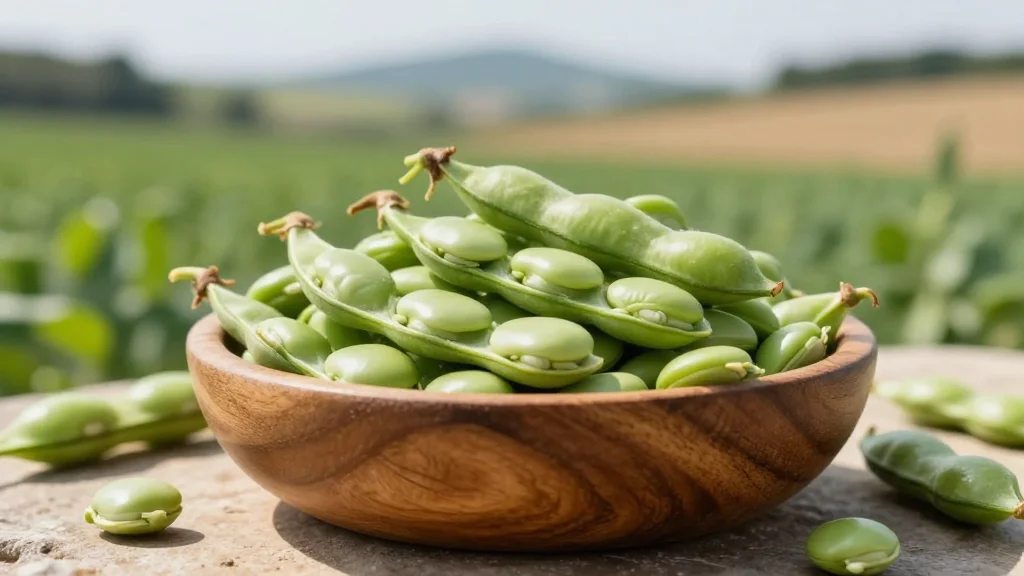
Just One Extra Fava Bean A Day Could Save Europeans €42M in Healthcare Costs
Companies Mentioned
Why It Matters
The analysis links a single crop to measurable health savings, climate mitigation and higher rural earnings, highlighting fava beans as a strategic lever for European food security and economic resilience.
Key Takeaways
- •Doubling EU fava bean output could cut healthcare costs €42M (~$46M).
- •Demand rise would lower fertilizer use by 63,000 tonnes annually.
- •Adoption could reduce pesticide use over 200 tonnes each year.
- •Farmer incomes may rise up to 20% from legume diversification.
- •EU needs coordinated policy to address market fragmentation and price gaps.
Pulse Analysis
Europe’s agricultural policy is at a crossroads, and the Protein Project’s new report positions fava beans as a low‑cost catalyst for change. By fixing atmospheric nitrogen, fava beans reduce reliance on synthetic fertilizers, delivering a projected 63,000‑tonne annual cut. Their high fibre content promises to curb heart disease and type‑2 diabetes, translating into roughly €42 million ($46 million) in health‑care savings. Coupled with a seven‑million‑tonne reduction in CO₂‑equivalent emissions, the environmental payoff aligns with the EU’s Green Deal targets, while boosting food system autonomy amid volatile global markets.
However, scaling production faces entrenched obstacles. Current supply chains are fragmented, with 85 % of beans destined for animal feed and limited processing capacity for human consumption. Farmers cite low margins and transition risk, while processors struggle with variable crop quality and regulatory lag. The report calls for targeted R&D, risk‑sharing financial instruments, and clear labelling standards to bridge the gap between farmgate and retail shelves. Strategic investments in storage hubs and regional processing clusters could unlock economies of scale, making locally grown beans price‑competitive against imports.
If policymakers and industry act in concert, the ripple effects could reshape Europe’s protein landscape. Higher farmer incomes—potentially 20 % gains—would revitalize rural economies, while consumers benefit from affordable, sustainable protein options integrated into everyday meals. The anticipated surge in demand, projected to double by 2040, would also lessen dependence on imported soy and other protein meals, reinforcing strategic autonomy. In short, a modest dietary shift—one extra fava bean per person per day—offers a pragmatic pathway to health, climate, and economic dividends across the continent.
Just One Extra Fava Bean A Day Could Save Europeans €42M in Healthcare Costs
Comments
Want to join the conversation?
Loading comments...