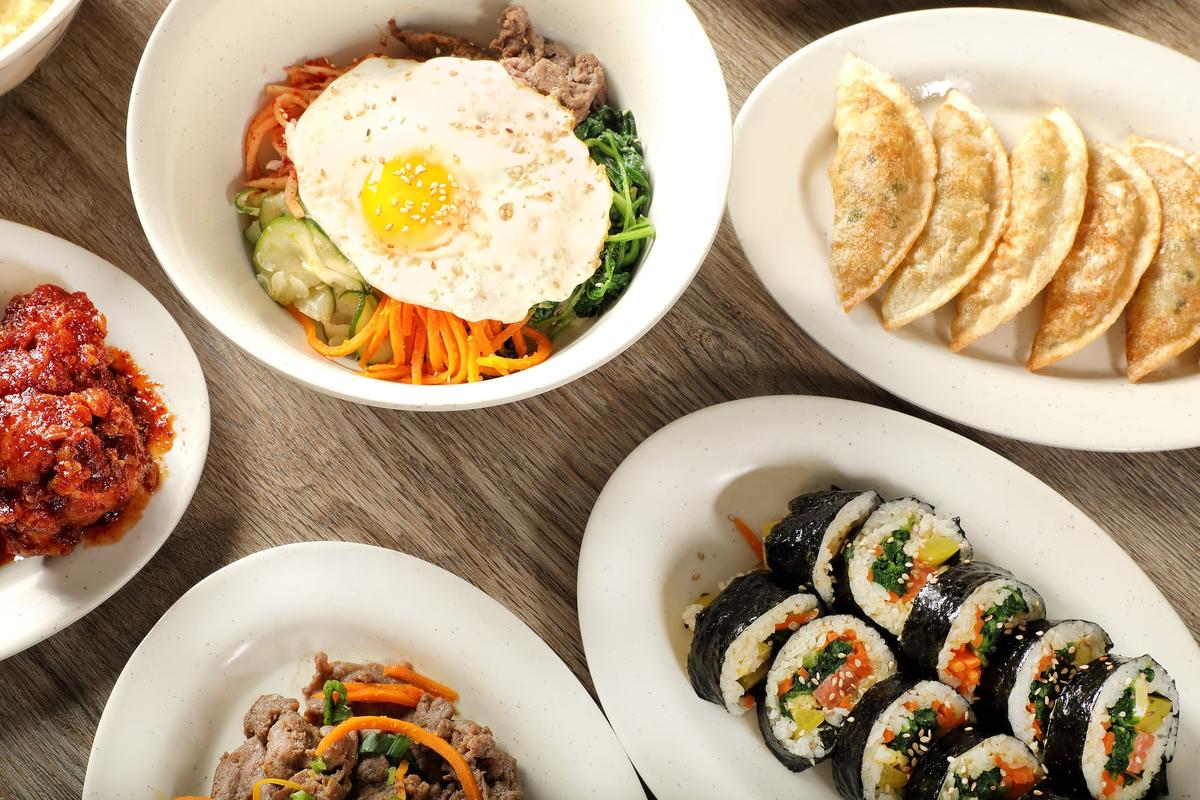
K Food Exports Set to Take Major Hit After Losing Middle East Growth
Why It Matters
The loss of Middle Eastern momentum threatens South Korea’s overall K‑Food growth trajectory, forcing a strategic pivot to more stable markets. This shift could reshape export allocations and influence supply‑chain investments across the sector.
Key Takeaways
- •Middle East accounted for $106 m, 32.3% of Q1 K‑Food growth.
- •War in Iran cut Middle East demand, causing March export decline.
- •China remains top market at $568.9 m, likely new focus for growth.
- •Ginseng exports surged 814% YoY, highlighting niche product potential.
Pulse Analysis
The first quarter of 2026 marked a modest 4% rise in South Korea’s K‑Food export portfolio, reaching $2.56 bn. While the overall figure appears healthy, the surge was disproportionately powered by the Gulf Cooperation Council (GCC) nations, which supplied $106 m and accounted for nearly a third of the quarter’s growth. The sudden escalation of hostilities involving the United States, Israel and Iran has crippled shipping lanes, especially the Strait of Hormuz, and eroded consumer confidence across the region, prompting a noticeable dip in March shipments.
In response, policymakers at the Ministry of Agriculture, Food and Rural Affairs are recalibrating their market strategy. China, already the dominant destination with $568.9 m in sales, is set to receive intensified promotional support, leveraging trends such as low‑sugar, vegan and “healthy pleasure” product lines. Simultaneously, niche categories like ginseng— which posted an 814% YoY surge— and ready‑to‑eat rice dishes are being positioned for broader export to North America and ASEAN, where demand for gluten‑free and convenient meals is rising. This diversification aims to offset the volatility of the Middle Eastern corridor.
The broader implication for South Korea’s agri‑food sector is a heightened focus on supply‑chain resilience and market diversification. Companies are likely to invest in alternative logistics routes, digital trade platforms, and product innovation that aligns with health‑centric consumer preferences. By shifting resources toward more stable, high‑growth markets, South Korea can safeguard its export momentum and continue to capitalize on the global appetite for Korean cuisine, even as geopolitical tensions reshape traditional trade pathways.
K Food exports set to take major hit after losing Middle East growth
Comments
Want to join the conversation?
Loading comments...