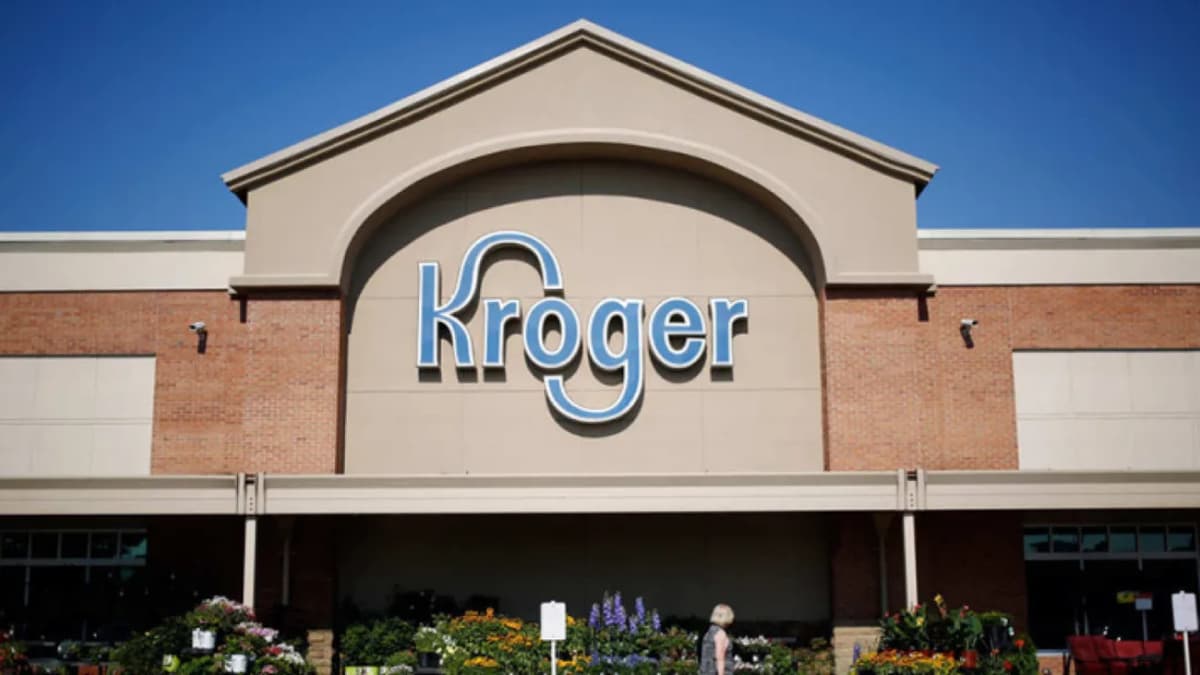
Kroger Sued for False Advertising
Companies Mentioned
Why It Matters
The lawsuit could force Kroger to overhaul its meat‑labeling practices, exposing the retailer to costly compliance changes and eroding consumer trust in grocery food claims.
Key Takeaways
- •Animal Outlook files suit against Kroger, Ralphs in California.
- •Claims “well raised” and “no antibiotics” signs mislead shoppers.
- •Evidence cites major brands like Hormel, Tyson not antibiotic‑free.
- •Lawsuit seeks removal of signs or compliant product sourcing.
- •Highlights growing legal risk for grocery labeling claims.
Pulse Analysis
Consumer demand for ethically raised and antibiotic‑free meat has surged, prompting grocery chains to plaster aisles with reassuring phrases like “well raised” and “no antibiotics.” While such language taps into shoppers’ willingness to pay a premium for perceived animal‑welfare benefits, it also raises the bar for verification. Animal Outlook’s lawsuit underscores a broader trend of “humane‑washing,” where retailers market conventional factory‑farmed products as humane without substantive supply‑chain changes, risking backlash when investigations expose the gap between claim and reality.
California’s Unfair Competition Law and False Advertising statutes provide a powerful enforcement tool for organizations like Animal Outlook. By alleging that Kroger’s signage creates a false impression, the complaint seeks injunctive relief, removal of deceptive signs, and corrective advertising. The state’s aggressive stance on consumer protection means retailers could face significant penalties, mandatory labeling audits, and costly redesigns of marketing materials. Prior cases, including the dismissed “farm fresh” egg lawsuit, illustrate the legal gray area but also signal that courts are increasingly attentive to the specificity of welfare claims.
For the grocery industry, the suit serves as a warning to align marketing with verifiable product attributes. Companies may need to invest in third‑party certifications, tighter supplier contracts, and transparent traceability systems to substantiate claims. Failure to do so could erode brand equity and invite further litigation. As consumers become more savvy and regulators tighten oversight, clear, evidence‑backed labeling will likely become a competitive differentiator rather than a mere promotional tactic.
Kroger sued for false advertising
Comments
Want to join the conversation?
Loading comments...